
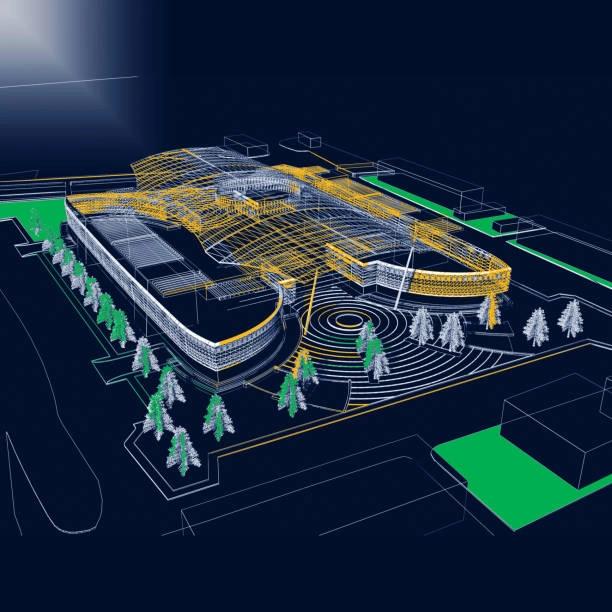
Training on Generative Design & Computational BIM
Master computational BIM and generative design. Learn to automate Revit with Dynamo, create parametric models, and optimize designs using algorithm-driven workflows.
Next intake
20 Jul 2026 · Nakuru
Duration
10 days
Live instruction
Delivery
Physical + Virtual
Cohort based
Level
Intermediate
Working professionals
Certification
NITA reimbursable
For Kenyan cohorts
Language
English
All materials
About this programme
This 10-day course introduces participants to the concepts, tools, and workflows involved in computational design strategies and generative design using BIM. The training emphasizes how to automate design processes with visual programming tools like Dynamo for Revit, and explores the principles of parametric design in architecture. Participants will gain hands-on experience in building algorithms to optimize geometry, space, performance, and sustainability, resulting in faster, smarter, and more efficient design outcomes through automated design with BIM.
Duration
10 Days
Who Should Attend
-
BIM Managers and Coordinators
-
Architects and Urban Designers
-
Computational Design Specialists
-
Civil and Structural Engineers
-
Landscape and Interior Designers
-
Revit Users seeking automation and parametric modeling skills
What you'll walk away with
By the end of this course, participants will be able to:
-
Understand the principles of computational design strategies and generative modeling
-
Use Dynamo for Revit automation to streamline workflows
-
Apply parametric design to solve complex design challenges
-
Build and apply algorithms to optimize designs with BIM tools
-
Integrate generative design into architectural and engineering practices
What we cover, module by module
Module 1: Foundations of Computational and Generative Design
-
Introduction to computational thinking in design
-
Principles of parametric design in architecture
-
Overview of visual programming tools (Dynamo, Grasshopper)
Module 2: Working with Dynamo for Revit Automation
-
Dynamo interface, logic nodes, and scripting basics
-
Automating repetitive Revit tasks (sheets, views, parameters)
-
Using Dynamo for Revit automation: practical exercises
Module 3: Parametric Modeling and Rule-Based Design
-
Creating parametric families and adaptive components
-
Developing constraint-based design systems
-
Geometry control and relationship-driven modeling
Module 4: Generative Design Concepts and Applications
-
Principles of automated design with BIM
-
Scenario-based generation using data inputs
-
Evaluating and refining design outcomes
Module 5: Design Optimization and Performance Analysis
-
Optimizing designs with algorithms
-
Integration with environmental analysis tools
-
Multi-objective optimization and trade-off visualization
Module 6: Complex Geometry and Smart Components
-
Designing complex façades and structures
-
Responsive design systems (inputs, triggers, behaviors)
-
Using packages and custom nodes in Dynamo
Module 7: Data-Driven Design Workflows
-
Linking Excel, databases, and external data to Dynamo
-
Analyzing and visualizing design data within BIM
-
Automating quantity takeoff and cost estimation
Module 8: Interoperability and Integration
-
Exporting geometry and data to Rhino/Grasshopper
-
Connecting generative tools with analysis platforms (e.g., Insight, Ladybug)
-
BIM interoperability with IFC and custom scripts
Module 9: Generative Design for Real-World Projects
-
Case studies: urban layout, hospital design, structural optimization
-
Applying generative logic to complex client briefs
-
Managing performance, aesthetics, and constraints
Module 10: Final Project and Presentation
-
Individual or team-based generative design challenge
-
Presentation of process and results
-
Peer review and instructor feedback
Where the change lands
Organizational Impact
-
Faster, more efficient design processes through automation.
-
Improved project quality by integrating performance and sustainability optimization.
-
Reduced design errors and rework with parametric workflows.
-
Stronger competitive edge through innovation and advanced BIM practices.
Personal Impact
-
Mastery of generative design and computational BIM tools.
-
Practical skills in Dynamo for Revit and parametric modeling.
-
Enhanced career opportunities in advanced architectural and engineering roles.
-
Confidence to lead innovation and automation initiatives in design.
Dates and locations
Upcoming intakes
Every intake is limited to a small cohort. Booking closes when a date fills or three weeks before the start, whichever comes first.
| City | Starts | Ends | Delivery | Book |
|---|---|---|---|---|
NakuruNext | 20 Jul 2026 | 31 Jul 2026 | In-Person | Book |
Kigali | 20 Jul 2026 | 31 Jul 2026 | In-Person | Book |
Accra | 20 Jul 2026 | 31 Jul 2026 | In-Person | Book |
Kisumu | 27 Jul 2026 | 07 Aug 2026 | In-Person | Book |
Johannesburg | 27 Jul 2026 | 07 Aug 2026 | In-Person | Book |
Dakar | 27 Jul 2026 | 07 Aug 2026 | In-Person | Book |
- NakuruNext
20 Jul → 31 Jul·In-Person
Book this intake - Kigali
20 Jul → 31 Jul·In-Person
Book this intake - Accra
20 Jul → 31 Jul·In-Person
Book this intake - Kisumu
27 Jul → 07 Aug·In-Person
Book this intake - Johannesburg
27 Jul → 07 Aug·In-Person
Book this intake - Dakar
27 Jul → 07 Aug·In-Person
Book this intake
Common questions.
Still not sure? Send us a note and a facilitator will get back to you within a business day.
You may also like.
Programmes in the same discipline that participants often pair with this course.
 Hybrid5 days
Master advanced BIM techniques and elevate your building design and construction projects. Learn to leverage advanced BIM tools and workflows to optimize project delivery, improve collaboration, and reduce costs.
 Hybrid5 days
Master advanced construction techniques and elevate your building projects. Learn to utilize cutting-edge construction methods, innovative materials, and advanced technologies to improve efficiency, quality, and sustainability.
 Hybrid5 days
Understand structural engineering. This training gives you the fundamentals to use STAAD Pro for advanced design and data-driven decisions.
Course finder
Find the right course for you
Prefer to talk it through? Send us an enquiry and a facilitator will scope a fit within a business day.
For corporate teams
Training 10+ professionals?
We deliver Training on Generative Design & Computational BIM in-house at your offices, at a venue we arrange, or fully virtual. Customise the curriculum against your KPIs, and get a bespoke price for the cohort size you need.