
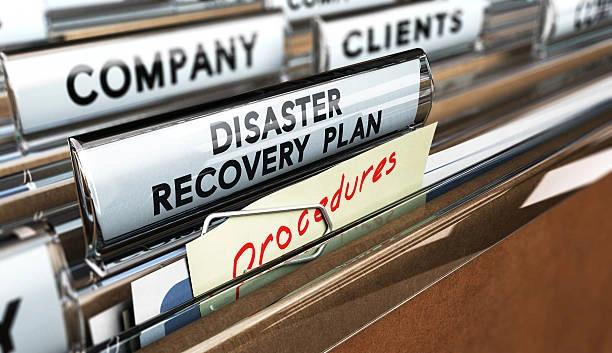
Training on Implementing a Vital Records Program and Disaster Recovery
Learn to protect vital records and build disaster recovery strategies. Gain hands-on skills in safeguarding critical data and ensuring business continuity
Next intake
20 Jul 2026 · Nakuru
Duration
5 days
Live instruction
Delivery
Physical + Virtual
Cohort based
Level
Intermediate
Working professionals
Certification
NITA reimbursable
For Kenyan cohorts
Language
English
All materials
About this programme
What would happen if your organization suddenly lost access to its most critical records due to a fire, flood, cyberattack, or system failure? For many organizations, the loss of essential records can disrupt operations, compromise compliance, damage reputation, and significantly impact service delivery.
This course provides practical knowledge and strategies for identifying, protecting, and recovering vital organizational records in the face of emergencies and disasters. Participants will learn how to conduct risk assessments, develop vital records protection strategies, establish disaster preparedness measures, and design effective records recovery and business continuity plans.
Through practical exercises, simulations, and real-world case studies, the training equips participants with the tools needed to strengthen organizational resilience, minimize operational disruption, and ensure continuity of critical functions during and after a crisis.
Duration
5 Days
Who Should Attend
-
Records Managers and Archivists
-
Business Continuity and Disaster Recovery Officers
-
Compliance and Risk Management Professionals
-
IT and Information Security Specialists
-
Legal and Governance Officers
-
Senior Administrators responsible for organizational resilience
What you'll walk away with
By the end of this course, participants will be able to:
-
Identify and prioritize organizational vital records
-
Develop policies and controls for protecting vital records
-
Conduct risk assessments and design tailored protection strategies
-
Integrate vital records management into disaster recovery and business continuity plans
-
Execute practical recovery strategies during simulated emergencies
-
Ensure compliance with regulatory and legal frameworks
What we cover, module by module
Module 1: Understanding Vital Records and Their Role
-
What makes a record “vital” in organizational operations
-
Categories of vital records: legal, operational, financial, and historical
-
Linking vital records to compliance and accountability
-
Case Study: Lessons learned from an organization that failed to identify its vital records
Module 2: Risk Assessment and Threat Analysis
-
Identifying natural, human, and digital threats
-
Assessing vulnerabilities in existing record systems
-
Prioritizing risks and designing safeguards
-
Practical Exercise: Conduct a mini risk assessment for sample records
Module 3: Designing a Vital Records Protection Program
-
Creating policies, roles, and responsibilities
-
Physical and digital protection measures (fireproof storage, encryption, cloud backups)
-
Integrating vital records management into everyday operations
-
Case Study: A multinational’s journey to implementing a vital records program
Module 4: Disaster Recovery and Business Continuity Planning
-
Core components of disaster recovery plans
-
Linking records management to wider business continuity frameworks
-
Coordinating with IT, legal, and compliance teams
-
Practical Exercise: Draft a disaster recovery plan section for vital records
Module 5: Testing, Training, and Continuous Improvement
-
Disaster recovery simulations and drills
-
Monitoring and auditing your vital records program
-
Updating strategies as threats evolve (cybersecurity, climate change)
-
Case Study: How regular simulations helped a government agency recover in record time
Where the change lands
Individual Impact
-
Gain confidence in protecting essential records under any threat
-
Improve your ability to identify, classify, and safeguard vital records
-
Build practical disaster recovery skills for professional advancement
-
Enhance your decision-making in crisis situations
-
Strengthen your career profile with a critical risk management skillset
Organizational Impact
-
Strengthened resilience to disasters and compliance breaches
-
Minimized operational disruptions and financial losses
-
Improved regulatory alignment and stakeholder confidence
-
Enhanced recovery speed after natural or man-made incidents
-
Establishment of a sustainable vital records management framework
Dates and locations
Upcoming intakes
Every intake is limited to a small cohort. Booking closes when a date fills or three weeks before the start, whichever comes first.
| City | Starts | Ends | Delivery | Book |
|---|---|---|---|---|
NakuruNext | 20 Jul 2026 | 24 Jul 2026 | In-Person | Book |
Kigali | 20 Jul 2026 | 24 Jul 2026 | In-Person | Book |
Accra | 20 Jul 2026 | 24 Jul 2026 | In-Person | Book |
Kisumu | 27 Jul 2026 | 31 Jul 2026 | In-Person | Book |
Johannesburg | 27 Jul 2026 | 31 Jul 2026 | In-Person | Book |
Dakar | 27 Jul 2026 | 31 Jul 2026 | In-Person | Book |
- NakuruNext
20 Jul → 24 Jul·In-Person
Book this intake - Kigali
20 Jul → 24 Jul·In-Person
Book this intake - Accra
20 Jul → 24 Jul·In-Person
Book this intake - Kisumu
27 Jul → 31 Jul·In-Person
Book this intake - Johannesburg
27 Jul → 31 Jul·In-Person
Book this intake - Dakar
27 Jul → 31 Jul·In-Person
Book this intake
Common questions.
Still not sure? Send us a note and a facilitator will get back to you within a business day.
You may also like.
Programmes in the same discipline that participants often pair with this course.
 Hybrid10 days
Learn to apply AI in knowledge management for smarter knowledge capture, retrieval, and collaboration.
 Hybrid10 days
Master advanced electronic records management with AI, governance, compliance, cybersecurity, and digital preservation strategies.
 Hybrid5 days
Master advanced knowledge management techniques. Learn to optimize knowledge sharing, innovation, and decision-making.
Course finder
Find the right course for you
Prefer to talk it through? Send us an enquiry and a facilitator will scope a fit within a business day.
For corporate teams
Training 10+ professionals?
We deliver Training on Implementing a Vital Records Program and Disaster Recovery in-house at your offices, at a venue we arrange, or fully virtual. Customise the curriculum against your KPIs, and get a bespoke price for the cohort size you need.