
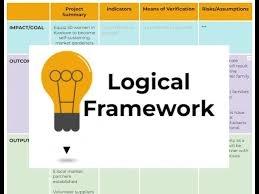
Training on Logframes and the Logical Framework Approach
Master the Logical Framework Approach (LFA) to design, manage, and evaluate results-based projects with our Logframes and LFA Training.
Next intake
20 Jul 2026 · Nakuru
Duration
5 days
Live instruction
Delivery
Physical + Virtual
Cohort based
Level
Intermediate
Working professionals
Certification
NITA reimbursable
For Kenyan cohorts
Language
English
All materials
About this programme
This course provides participants with a comprehensive understanding of the Logical Framework Approach (LFA) a key methodology used in project planning, implementation, monitoring, and evaluation. Participants will learn how to design and use logframes (logical frameworks) to ensure clarity, accountability, and measurable results in development and organizational projects. Through guided exercises and practical examples, the course demonstrates how the LFA improves project coherence, aligns objectives with measurable indicators, and enhances stakeholder engagement throughout the project cycle. By the end of the course, participants will be confident in developing, reviewing, and applying logframes to strengthen project effectiveness and impact.
Duration
5 Days
Who Should Attend
-
Project managers and coordinators
-
Monitoring and Evaluation (M&E) specialists
-
Program planners and officers
-
NGO and development practitioners
-
Donor agency representatives and consultants
What you'll walk away with
By the end of the course, participants will be able to:
- Understand the principles and components of the Logical Framework Approach.
- Develop effective logframes that align with project goals and outcomes.
- Identify and define clear indicators, means of verification, and assumptions.
- Apply LFA tools in project design, monitoring, and evaluation.
- Review and refine logframes for improved project performance and accountability.
What we cover, module by module
Module 1: Introduction to the Logical Framework Approach
-
Understanding the origins and purpose of LFA
-
Key concepts: objectives, outputs, outcomes, and impacts
-
How LFA supports results-based management
-
Case Study: Applying LFA to a community development project
Module 2: Steps in the Logical Framework Process
-
Problem analysis and stakeholder mapping
-
Developing problem trees and objective trees
-
Linking objectives to project results
-
Case Study: Building an objective hierarchy for an education initiative
Module 3: Designing the Logframe Matrix
-
Components of the logframe matrix
-
Setting indicators, means of verification, and assumptions
-
Practical exercise on completing a logframe template
-
Case Study: Designing a logframe for a health improvement project
Module 4: Applying Logframes in Project Management and M&E
-
Integrating logframes into project planning and reporting
-
Using logframes for monitoring, evaluation, and adaptive management
-
Ensuring logical consistency and quality control
-
Case Study: Using a logframe to track performance in an agricultural program
Module 5: Reviewing and Improving Logframes
-
Common challenges and mistakes in logframe development
-
Techniques for refining and updating existing logframes
-
Aligning logframes with donor and institutional requirements
-
Case Study: Strengthening a weak logframe for a climate resilience project
Where the change lands
Organizational Impact:
-
Strengthens project design, implementation, and evaluation processes
-
Improves alignment of projects with organizational and donor priorities
-
Enhances accountability through measurable and transparent frameworks
-
Builds organizational capacity for results-based management
Individual Impact:
-
Improves understanding of logical frameworks and their application
-
Strengthens analytical and planning skills for project formulation
-
Enhances ability to communicate project logic and expected results
-
Builds confidence in managing results-based projects effectively
Dates and locations
Upcoming intakes
Every intake is limited to a small cohort. Booking closes when a date fills or three weeks before the start, whichever comes first.
| City | Starts | Ends | Delivery | Book |
|---|---|---|---|---|
NakuruNext | 20 Jul 2026 | 24 Jul 2026 | In-Person | Book |
Kigali | 20 Jul 2026 | 24 Jul 2026 | In-Person | Book |
Accra | 20 Jul 2026 | 24 Jul 2026 | In-Person | Book |
Kisumu | 27 Jul 2026 | 31 Jul 2026 | In-Person | Book |
Johannesburg | 27 Jul 2026 | 31 Jul 2026 | In-Person | Book |
Dakar | 27 Jul 2026 | 31 Jul 2026 | In-Person | Book |
- NakuruNext
20 Jul → 24 Jul·In-Person
Book this intake - Kigali
20 Jul → 24 Jul·In-Person
Book this intake - Accra
20 Jul → 24 Jul·In-Person
Book this intake - Kisumu
27 Jul → 31 Jul·In-Person
Book this intake - Johannesburg
27 Jul → 31 Jul·In-Person
Book this intake - Dakar
27 Jul → 31 Jul·In-Person
Book this intake
Common questions.
Still not sure? Send us a note and a facilitator will get back to you within a business day.
You may also like.
Programmes in the same discipline that participants often pair with this course.
 Hybrid5 days
Learn advanced Excel techniques for data analysis, visualization, and automation in project management.
 Hybrid5 days
Master advanced project management techniques. Learn to apply advanced project management methodologies, tools, and techniques to optimize project performance and achieve exceptional results.
 Hybrid5 days
Master Change Management for Project Managers. Learn to effectively manage change, minimize disruption, and ensure successful project implementation. Understand change management methodologies, communication strategies, and stakeholder engagement techniques.
Course finder
Find the right course for you
Prefer to talk it through? Send us an enquiry and a facilitator will scope a fit within a business day.
For corporate teams
Training 10+ professionals?
We deliver Training on Logframes and the Logical Framework Approach in-house at your offices, at a venue we arrange, or fully virtual. Customise the curriculum against your KPIs, and get a bespoke price for the cohort size you need.