
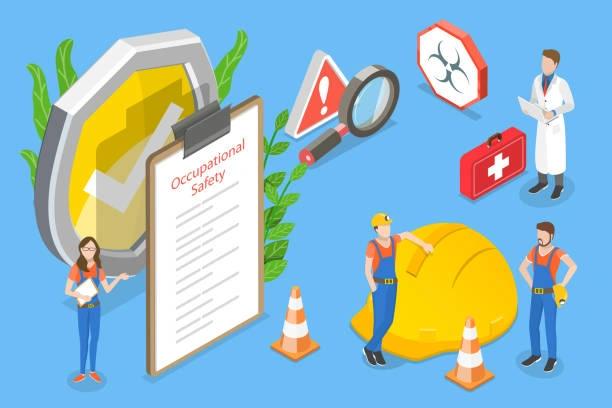
Training on Occupational Health Surveillance & Health Monitoring
Advance workplace safety with this 10-module course—learn to design health surveillance systems, conduct biomonitoring, and implement screening programs to protect your workforce.
Next intake
20 Jul 2026 · Nakuru
Duration
10 days
Live instruction
Delivery
Physical + Virtual
Cohort based
Level
Intermediate
Working professionals
Certification
NITA reimbursable
For Kenyan cohorts
Language
English
All materials
About this programme
This course provides a comprehensive approach to designing and managing occupational health surveillance and health monitoring systems in the workplace. Designed for occupational health professionals, safety managers, HR personnel, and regulatory officers, this course equips participants with the knowledge and tools to implement effective employee health screening programs, conduct biomonitoring for occupational exposures, and enforce medical surveillance for high-risk jobs. With a focus on health data analysis for worker protection and preventive health checks for employees, the training ensures organizations meet legal obligations while fostering a culture of proactive health and safety.
Duration
10 Days
Who Should Attend
-
Occupational Health Physicians and Nurses
-
Health, Safety & Environment (HSE) Managers
-
Human Resource Professionals
-
Industrial Hygienists and Health Officers
-
Government Inspectors and Compliance Officers
Course Level: Intermediate to Advanced
What you'll walk away with
By the end of this course, participants will:
-
Design and implement employee health screening programs
-
Conduct biomonitoring for occupational exposures to harmful agents
-
Establish medical surveillance for high-risk jobs across various sectors
-
Apply health data analysis for worker protection and risk mitigation
-
Promote preventive health checks for employees for early detection of workplace-related illnesses
What we cover, module by module
Module 1: Principles and Frameworks of Occupational Health Surveillance
- Fundamentals, objectives, and scope of occupational health surveillance
- Types of health surveillance programs and their applications
- International occupational health standards, regulations, and best practices
- Risk-based approaches to workplace health monitoring
- Roles and responsibilities of employers, employees, and occupational health professionals
- Case Study: Implementing an effective occupational health surveillance system in a high-risk industry
- Practical Activity: Developing a risk-based occupational health surveillance plan
Module 2: Occupational Risk Assessment and Worker Classification
- Identification and evaluation of workplace hazards and exposure risks
- Exposure assessment techniques for physical, chemical, biological, and ergonomic hazards
- Worker categorization and exposure profiling for surveillance purposes
- Linking occupational risks to health monitoring requirements
- Prioritizing surveillance activities based on risk severity
- Case Study: Worker exposure assessment in manufacturing and construction sectors
- Practical Exercise: Conducting a workplace hazard and worker classification assessment
Module 3: Employee Health Screening and Medical Evaluation Programs
- Structure and management of employee health screening programs
- Pre-employment, periodic, and exit medical examinations
- Occupational health assessment techniques: audiometry, spirometry, vision testing, and physical examinations
- Medical confidentiality, ethics, and informed consent procedures
- Documentation and reporting of medical surveillance findings
- Case Study: Best practices in workplace employee health screening programs
- Practical Activity: Designing an employee medical screening workflow
Module 4: Biomonitoring and Exposure Assessment Techniques
- Principles and applications of biomonitoring in occupational health
- Biological sampling methods: blood, urine, breath, and tissue analysis
- Monitoring exposure to hazardous chemicals and toxic substances
- Interpretation of biomonitoring data and occupational exposure limits
- Response strategies for abnormal exposure findings
- Case Study: Biomonitoring programs in mining and chemical industries
- Practical Exercise: Interpreting occupational exposure and biomonitoring results
Module 5: Medical Surveillance for High-Risk Occupations
- Occupational health risks in construction, mining, manufacturing, healthcare, and transport sectors
- Designing medical surveillance programs for high-risk job categories
- Fitness-for-duty assessments and return-to-work evaluations
- Early detection and prevention of occupational diseases and injuries
- Managing chronic workplace-related health conditions
- Case Study: Medical surveillance systems in hazardous work environments
- Practical Activity: Developing a surveillance schedule for high-risk employees
Module 6: Occupational Health Data Management and Analysis
- Occupational health data collection, storage, and protection principles
- Health information systems and surveillance databases
- Data analysis tools for identifying workplace health trends and risks
- Reporting and visualization of occupational health indicators
- Data-driven decision-making for worker protection programs
- Case Study: Using occupational health data analytics to improve workplace safety outcomes
- Practical Exercise: Analyzing occupational health data to identify risk patterns
Module 7: Preventive Health Programs and Early Disease Detection
- Designing preventive occupational health programs
- Early identification of musculoskeletal, respiratory, dermatological, and stress-related conditions
- Workplace wellness and preventive health initiatives
- Referral pathways, treatment coordination, and follow-up procedures
- Integrating preventive healthcare into organizational safety systems
- Case Study: Early disease detection programs reducing workplace illness rates
- Practical Activity: Developing a preventive health screening checklist for employees
Module 8: Occupational Health Communication and Employee Engagement
- Strategies for communicating occupational health risks effectively
- Employee education and awareness programs on workplace health hazards
- Counseling techniques and behavior change approaches
- Building employee participation in occupational health programs
- Promoting a proactive workplace health and wellness culture
- Case Study: Employee engagement strategies improving occupational health compliance
- Group Exercise: Designing a workplace occupational health awareness campaign
Module 9: Regulatory Compliance, Audits, and Health Record Management
- Employer legal obligations in occupational health surveillance
- Occupational health recordkeeping and retention requirements
- Compliance audits, inspections, and certification preparedness
- Managing confidential employee health information securely
- Addressing non-compliance risks and corrective actions
- Case Study: Occupational health compliance audits in regulated industries
- Practical Activity: Preparing occupational health documentation for regulatory inspection
Module 10: Designing and Implementing Comprehensive Occupational Health Surveillance Systems
- Integrating occupational health surveillance into organizational management systems
- Customizing surveillance programs for different industries and workforce profiles
- Monitoring program effectiveness and continuous improvement strategies
- Aligning occupational health programs with ESG and corporate sustainability goals
- Building long-term occupational health and worker wellbeing strategies
- Case Study: Enterprise-wide occupational health surveillance implementation success story
- Final Project: Developing a comprehensive occupational health surveillance and monitoring framework for an organization
Where the change lands
Organizational Impact
-
The organization can significantly reduce the risk of long-term occupational diseases, which lowers costs from healthcare, legal claims, and worker's compensation.
-
A systematic health monitoring program ensures the organization meets and exceeds stringent health and safety regulations, thereby mitigating liability and reputational risk.
-
By proactively protecting employee health, the company builds a healthier workforce, leading to improved productivity and morale.
-
The data collected from surveillance and monitoring provides a powerful tool for strategic risk management and evidence-based decision-making.
Personal Impact
-
The participant will gain a highly valuable and specialized skill set at the intersection of medicine, data science, and occupational health.
-
This expertise is a crucial skill for career progression into senior occupational health, compliance, or leadership roles.
-
The individual will be able to contribute directly to the organization's ethical standing and long-term sustainability by protecting the health of its workforce.
-
The training provides the professional credibility and authority to manage a clinical and data-driven program with precision and care.
Dates and locations
Upcoming intakes
Every intake is limited to a small cohort. Booking closes when a date fills or three weeks before the start, whichever comes first.
| City | Starts | Ends | Delivery | Book |
|---|---|---|---|---|
NakuruNext | 20 Jul 2026 | 31 Jul 2026 | In-Person | Book |
Kigali | 20 Jul 2026 | 31 Jul 2026 | In-Person | Book |
Accra | 20 Jul 2026 | 31 Jul 2026 | In-Person | Book |
Kisumu | 27 Jul 2026 | 07 Aug 2026 | In-Person | Book |
Johannesburg | 27 Jul 2026 | 07 Aug 2026 | In-Person | Book |
Dakar | 27 Jul 2026 | 07 Aug 2026 | In-Person | Book |
- NakuruNext
20 Jul → 31 Jul·In-Person
Book this intake - Kigali
20 Jul → 31 Jul·In-Person
Book this intake - Accra
20 Jul → 31 Jul·In-Person
Book this intake - Kisumu
27 Jul → 07 Aug·In-Person
Book this intake - Johannesburg
27 Jul → 07 Aug·In-Person
Book this intake - Dakar
27 Jul → 07 Aug·In-Person
Book this intake
Common questions.
Still not sure? Send us a note and a facilitator will get back to you within a business day.
You may also like.
Programmes in the same discipline that participants often pair with this course.
 Hybrid5 days
Strategic management training for healthcare leaders. Build sustainable, patient-centered, and innovative health systems.
 Hybrid5 days
Equip healthcare professionals with AI literacy, digital competencies, and practical knowledge to support smarter healthcare delivery.
 Hybrid5 days
Learn to apply AI and predictive analytics to prevent workplace accidents and improve safety performance.
Course finder
Find the right course for you
Prefer to talk it through? Send us an enquiry and a facilitator will scope a fit within a business day.
For corporate teams
Training 10+ professionals?
We deliver Training on Occupational Health Surveillance & Health Monitoring in-house at your offices, at a venue we arrange, or fully virtual. Customise the curriculum against your KPIs, and get a bespoke price for the cohort size you need.