
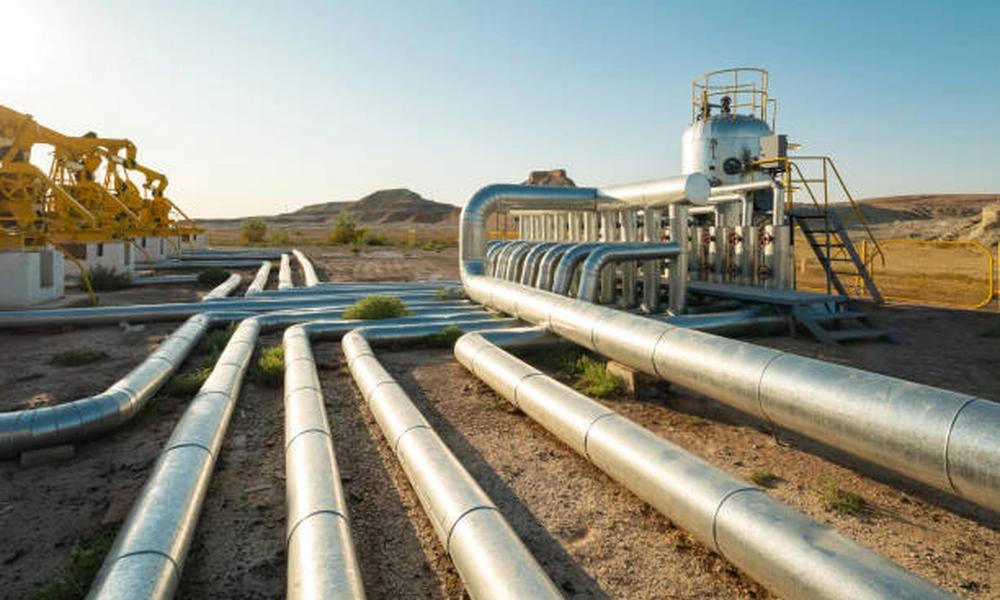
Training on Oil and Gas Pipeline Operations and Integrity Management
Advanced pipeline operations and integrity management training. Master ILI, corrosion control, leak detection, and regulatory compliance.
Next intake
20 Jul 2026 · Nakuru
Duration
10 days
Live instruction
Delivery
Physical + Virtual
Cohort based
Level
Advanced
Working professionals
Certification
NITA reimbursable
For Kenyan cohorts
Language
English
All materials
About this programme
This advanced course provides comprehensive training on the operation and integrity management of oil and gas pipelines. Participants will learn to manage pipeline operations, monitor flow and pressure, implement corrosion control, conduct integrity assessments (inline inspection, hydrotesting), and respond to leaks or ruptures.
Who Should Attend:
-
Pipeline Operations Managers
-
Integrity Engineers and Technicians
-
Pipeline Controllers and SCADA Operators
-
Maintenance and Inspection Specialists
What you'll walk away with
-
Operate oil and gas pipelines safely and efficiently.
-
Implement corrosion control and integrity assessment programs.
-
Manage pipeline leak detection and emergency response.
-
Ensure regulatory compliance with pipeline safety standards (PSM, API 1160, ASME B31.8).
What we cover, module by module
Module 1: Pipeline System Overview and Components
-
Types of pipelines: crude, natural gas, NGL, and products.
-
Key components: pipes, valves, pumps, compressors, pig traps, and SCADA.
-
Pipeline categories: gathering, transmission, and distribution.
-
Case Study/Hands-on Exercise: Map a pipeline system from wellhead to refinery or market, identifying key components and control points.
Module 2: Pipeline Hydraulics and Flow Assurance
-
Fundamental hydraulics: pressure drop, flow rate, and friction losses.
-
Pump and compressor station operations.
-
Flow assurance: hydrate prevention, wax deposition, and slugging.
-
Case Study/Hands-on Exercise: Calculate pressure drop across a pipeline segment given flow rate, diameter, and fluid properties.
Module 3: SCADA and Pipeline Control Systems
-
SCADA architecture: remote terminal units (RTUs), programmable logic controllers (PLCs), and master stations.
-
Real-time monitoring: pressure, flow, temperature, and density.
-
Alarm management and emergency shutdown (ESD) systems.
-
Case Study/Hands-on Exercise: Simulate a SCADA console response to a pressure drop alarm, triaging possible causes and initiating appropriate actions.
Module 4: Pipeline Integrity Management Systems (PIMS)
-
API 1160 and ASME B31.8S integrity management frameworks.
-
Integrity management plan: threat identification, risk assessment, and mitigation.
-
Key threats: corrosion, cracking, third-party damage, and geohazards.
-
Case Study/Hands-on Exercise: Develop a pipeline integrity management plan for a 100km crude oil pipeline, identifying threats and prioritizing mitigation actions.
Module 5: Inline Inspection (ILI) and Pigging Operations
-
Types of ILI tools: magnetic flux leakage (MFL), ultrasonic (UT), and caliper.
-
Pigging programs: cleaning pigs, gauging pigs, and intelligent pigs.
-
Launching, receiving, and tracking pigs.
-
Case Study/Hands-on Exercise: Plan an ILI run for a natural gas pipeline, including pig selection, launch/receiver site preparation, and data interpretation.
Module 6: Corrosion Control and Cathodic Protection
-
Types of pipeline corrosion: internal and external.
-
Cathodic protection (CP): sacrificial anodes and impressed current systems.
-
Coating systems and corrosion inhibitors.
-
Case Study/Hands-on Exercise: Conduct a cathodic protection survey on a pipeline segment, interpret potential readings, and identify under-protected areas.
Module 7: Hydrostatic Testing and Direct Assessment
-
Hydrostatic testing: pressure test procedures, safety, and acceptance criteria.
-
External corrosion direct assessment (ECDA), internal corrosion direct assessment (ICDA), and stress corrosion cracking direct assessment (SCCDA).
-
Integrating direct assessment with ILI and hydrotest.
-
Case Study/Hands-on Exercise: Develop a hydrostatic test plan for a pipeline segment, including test pressure, hold time, safety zones, and acceptance criteria.
Module 8: Leak Detection Systems
-
Leak detection methods: computational pipeline monitoring (CPM), real-time transient modeling (RTTM), and fiber optics.
-
Acoustic and vapor sensing for leak detection.
-
Alarm management, leak location, and confirmation.
-
Case Study/Hands-on Exercise: Analyze a simulated leak detection alarm from a CPM system, calculate estimated leak location, and initiate emergency response.
Module 9: Pipeline Repair and Emergency Response
-
Repair methods: sleeves, clamps, pipe replacement, and composite wraps.
-
Emergency response plans: isolation, depressurization, and environmental containment.
-
Coordinating with local authorities and emergency services.
-
Case Study/Hands-on Exercise: Simulate an emergency response to a pipeline rupture, including isolation, depressurization, notification, and spill containment.
Module 10: Regulatory Compliance and Pipeline Safety
-
Key regulations: US DOT PHMSA (49 CFR 192, 195), API standards, and local equivalents.
-
Operator Qualification (OQ) and public awareness programs.
-
Integrity reporting, inspections, and enforcement actions.
-
Case Study/Hands-on Exercise: Conduct a regulatory compliance audit for a pipeline segment, identifying gaps against applicable regulations and developing corrective actions.
Where the change lands
Organizational Impacts:
-
Reduced pipeline leaks, ruptures, and unplanned shutdowns.
-
Extended asset life through proactive integrity management.
-
Enhanced regulatory compliance and safety performance.
Individual Impacts:
-
Mastery of pipeline hydraulics, flow assurance, and pressure management.
-
Expertise in inline inspection (ILI), hydrotest, and corrosion control.
-
Skills to manage pipeline leak detection and emergency response.
Dates and locations
Upcoming intakes
Every intake is limited to a small cohort. Booking closes when a date fills or three weeks before the start, whichever comes first.
| City | Starts | Ends | Delivery | Book |
|---|---|---|---|---|
NakuruNext | 20 Jul 2026 | 31 Jul 2026 | In-Person | Book |
Kigali | 20 Jul 2026 | 31 Jul 2026 | In-Person | Book |
Accra | 20 Jul 2026 | 31 Jul 2026 | In-Person | Book |
Kisumu | 27 Jul 2026 | 07 Aug 2026 | In-Person | Book |
Johannesburg | 27 Jul 2026 | 07 Aug 2026 | In-Person | Book |
Dakar | 27 Jul 2026 | 07 Aug 2026 | In-Person | Book |
- NakuruNext
20 Jul → 31 Jul·In-Person
Book this intake - Kigali
20 Jul → 31 Jul·In-Person
Book this intake - Accra
20 Jul → 31 Jul·In-Person
Book this intake - Kisumu
27 Jul → 07 Aug·In-Person
Book this intake - Johannesburg
27 Jul → 07 Aug·In-Person
Book this intake - Dakar
27 Jul → 07 Aug·In-Person
Book this intake
Common questions.
Still not sure? Send us a note and a facilitator will get back to you within a business day.
You may also like.
Programmes in the same discipline that participants often pair with this course.
 Hybrid10 days
Professional training on crisis and emergency response management for oil and gas facilities, covering preparedness, incident command, and business continuity.
Hybrid10 daysBuild expertise in IoT, SCADA, predictive maintenance, and digital oilfield solutions for optimized production performance.
 Hybrid5 days
Optimize drilling fluid supply and recycling operations. This intermediate course covers solids control, mud properties, and environmental compliance.
Course finder
Find the right course for you
Prefer to talk it through? Send us an enquiry and a facilitator will scope a fit within a business day.
For corporate teams
Training 10+ professionals?
We deliver Training on Oil and Gas Pipeline Operations and Integrity Management in-house at your offices, at a venue we arrange, or fully virtual. Customise the curriculum against your KPIs, and get a bespoke price for the cohort size you need.