
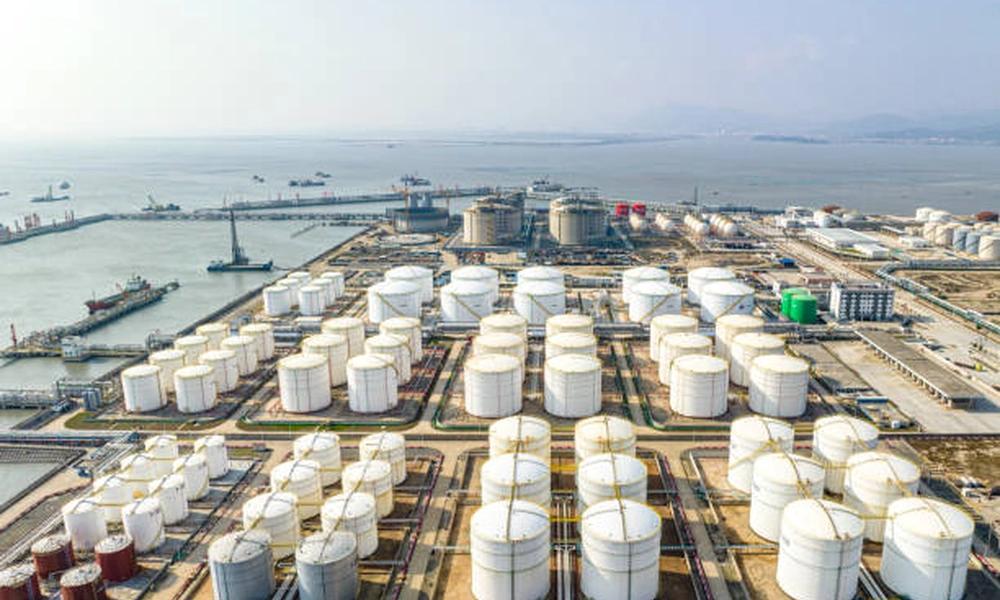
Training on Oil and Gas Supply Chain and Logistics Management
Master oil and gas supply chain and logistics. Learn upstream, midstream, and downstream logistics, including offshore and hazardous materials.
Next intake
20 Jul 2026 · Nakuru
Duration
5 days
Live instruction
Delivery
Physical + Virtual
Cohort based
Level
Intermediate
Working professionals
Certification
NITA reimbursable
For Kenyan cohorts
Language
English
All materials
About this programme
This intermediate course provides a comprehensive understanding of the unique supply chain and logistics challenges in the oil and gas industry, including upstream, midstream, and downstream operations. Participants will learn to manage the movement of equipment, materials, and products across remote and hazardous locations, including offshore platforms, drilling rigs, refineries, and pipelines.
Who Should Attend:
-
Oil and Gas Logistics Coordinators
-
Supply Chain Managers in Energy Sector
-
Procurement and Materials Specialists
-
Operations Planners in Upstream and Downstream
What you'll walk away with
-
Design supply chain strategies for upstream, midstream, and downstream operations.
-
Manage logistics for drilling rigs, offshore platforms, and remote sites.
-
Coordinate transport of hazardous materials including crude oil, gas, and chemicals.
-
Implement inventory management for critical spare parts and consumables.
What we cover, module by module
Module 1: The Oil and Gas Supply Chain Landscape
-
Segmentation: upstream (exploration, drilling, production), midstream (transport, storage), and downstream (refining, distribution).
-
Key supply chain drivers: safety, reliability, cost, and speed.
-
Major players: NOCs, IOCs, service companies, and logistics providers.
-
Case Study/Hands-on Exercise: Map the end-to-end supply chain for a drilling operation, from base camp to offshore rig, identifying critical nodes and risks.
Module 2: Upstream Logistics – Drilling and Production Support
-
Moving drilling rigs, modules, and heavy equipment (rig moves).
-
Supply vessels, helicopters, and crew boats for offshore logistics.
-
Managing tubular goods (casing, tubing) and wellhead equipment.
-
Case Study/Hands-on Exercise: Plan the logistics for a rig move from one offshore location to another, including vessel scheduling, heavy lift coordination, and port operations.
Module 3: Midstream and Downstream Logistics
-
Pipeline transport: crude, natural gas, and refined products.
-
Rail, truck, and barge transport for oil and gas products.
-
Refinery feedstocks and finished product distribution.
-
Case Study/Hands-on Exercise: Design a product distribution network from a refinery to retail outlets, optimizing mode selection (pipeline, rail, truck) based on volume and distance.
Module 4: Hazardous Materials and Safety Compliance
-
Transporting dangerous goods: crude oil, LNG, LPG, and drilling chemicals.
-
Regulatory frameworks: IMDG, ADR, DOT, and IATA for oil and gas.
-
Safety management systems and emergency response for spills or leaks.
-
Case Study/Hands-on Exercise: Review a hazmat transport plan for a shipment of drilling chemicals to a remote site, identifying compliance gaps and safety risks.
Module 5: Inventory Management and Spare Parts Optimization
-
Managing critical spare parts for drilling, production, and refining equipment.
-
Rotable spares, consumables, and capital spares.
-
Consignment inventory and vendor-managed inventory (VMI) in oil and gas.
-
Case Study/Hands-on Exercise: Develop a spare parts inventory optimization strategy for an offshore platform, balancing stock availability against holding costs.
Where the change lands
Organizational Impacts:
-
Reduced downtime through efficient delivery of critical equipment and spare parts.
-
Lower logistics costs through optimized transport modes and routing.
-
Enhanced safety and compliance in hazardous material transport.
Individual Impacts:
-
Mastery of oil and gas supply chain segmentation (upstream, midstream, downstream).
-
Expertise in managing logistics for remote and offshore locations.
-
Skills to coordinate with drilling, production, and refinery teams.
Dates and locations
Upcoming intakes
Every intake is limited to a small cohort. Booking closes when a date fills or three weeks before the start, whichever comes first.
| City | Starts | Ends | Delivery | Book |
|---|---|---|---|---|
NakuruNext | 20 Jul 2026 | 24 Jul 2026 | In-Person | Book |
Kigali | 20 Jul 2026 | 24 Jul 2026 | In-Person | Book |
Accra | 20 Jul 2026 | 24 Jul 2026 | In-Person | Book |
Kisumu | 27 Jul 2026 | 31 Jul 2026 | In-Person | Book |
Johannesburg | 27 Jul 2026 | 31 Jul 2026 | In-Person | Book |
Dakar | 27 Jul 2026 | 31 Jul 2026 | In-Person | Book |
- NakuruNext
20 Jul → 24 Jul·In-Person
Book this intake - Kigali
20 Jul → 24 Jul·In-Person
Book this intake - Accra
20 Jul → 24 Jul·In-Person
Book this intake - Kisumu
27 Jul → 31 Jul·In-Person
Book this intake - Johannesburg
27 Jul → 31 Jul·In-Person
Book this intake - Dakar
27 Jul → 31 Jul·In-Person
Book this intake
Common questions.
Still not sure? Send us a note and a facilitator will get back to you within a business day.
You may also like.
Programmes in the same discipline that participants often pair with this course.
 Hybrid10 days
Professional training on crisis and emergency response management for oil and gas facilities, covering preparedness, incident command, and business continuity.
Hybrid10 daysBuild expertise in IoT, SCADA, predictive maintenance, and digital oilfield solutions for optimized production performance.
 Hybrid5 days
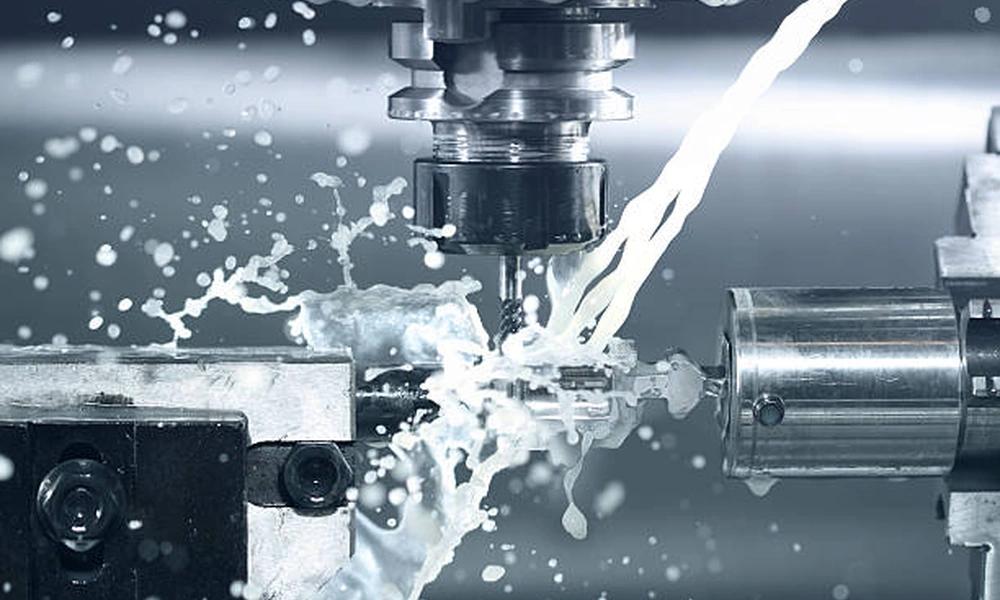
Optimize drilling fluid supply and recycling operations. This intermediate course covers solids control, mud properties, and environmental compliance.
Course finder
Find the right course for you
Prefer to talk it through? Send us an enquiry and a facilitator will scope a fit within a business day.
For corporate teams
Training 10+ professionals?
We deliver Training on Oil and Gas Supply Chain and Logistics Management in-house at your offices, at a venue we arrange, or fully virtual. Customise the curriculum against your KPIs, and get a bespoke price for the cohort size you need.