
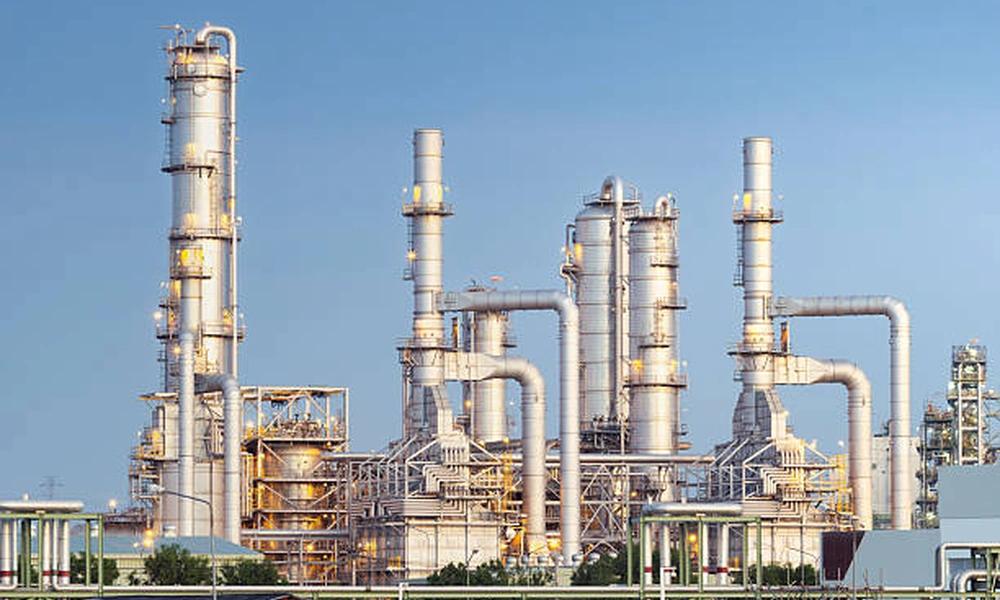
Training on Petroleum Refining Operations and Process Optimization
Advanced petroleum refining operations training. Master process units, crude selection, and LP optimization for maximum profitability.
Next intake
20 Jul 2026 · Nakuru
Duration
10 days
Live instruction
Delivery
Physical + Virtual
Cohort based
Level
Advanced
Working professionals
Certification
NITA reimbursable
For Kenyan cohorts
Language
English
All materials
About this programme
This advanced course provides an in-depth understanding of petroleum refining operations, from crude oil receipt to finished product dispatch. Participants will learn refining process configurations, unit operations, optimization techniques, and the interplay between refinery operations and supply chain logistics, with a focus on maximizing yield and profitability.
Who Should Attend:
-
Refinery Operations Managers and Engineers
-
Process Optimization Specialists
-
Petroleum Supply and Trading Professionals
-
Refinery Maintenance and Turnaround Planners
What you'll walk away with
-
Understand refining process units and their configurations.
-
Select crude oil slates based on economics and refinery capabilities.
-
Optimize product blending and yield to maximize profitability.
-
Integrate refinery operations with crude supply and product logistics.
What we cover, module by module
Module 1: Crude Oil Properties and Refining Overview
-
Crude oil composition: hydrocarbons, sulfur, metals, and acidity.
-
Key properties: API gravity, sulfur content, distillation curve, and viscosity.
-
Refining complexity: hydroskimming, cracking, and coking refineries.
-
Case Study/Hands-on Exercise: Analyze crude assay data for two different crude oils, comparing yields and product quality potential.
Module 2: Crude Distillation and Atmospheric/Vacuum Units
-
Atmospheric distillation unit (ADU): separation into naphtha, kerosene, diesel, gas oil, and residue.
-
Vacuum distillation unit (VDU): further separation of atmospheric residue.
-
Key operating parameters and product quality control.
-
Case Study/Hands-on Exercise: Simulate the impact of changing crude slate on ADU product yields and optimize cut points.
Module 3: Conversion Processes – Catalytic Cracking and Hydrocracking
-
Fluid Catalytic Cracking (FCC): converting gas oil to gasoline and LPG.
-
Hydrocracking: producing high-quality diesel and jet fuel.
-
Catalyst management and process optimization.
-
Case Study/Hands-on Exercise: Optimize FCC operating conditions to maximize gasoline yield while meeting product specifications.
Module 4: Reforming and Isomerization for Octane Improvement
-
Catalytic reforming: converting naphtha to high-octane reformate.
-
Isomerization: converting normal paraffins to isoparaffins.
-
Hydrogen management in the refinery.
-
Case Study/Hands-on Exercise: Determine the optimal reformer severity to meet gasoline octane targets while balancing hydrogen production.
Module 5: Hydrotreating and Sulfur Removal
-
Hydrodesulfurization (HDS) for gasoline, diesel, and other streams.
-
Meeting ultra-low sulfur diesel (ULSD) and Tier 3 gasoline specifications.
-
Hydrogen consumption and catalyst life management.
-
Case Study/Hands-on Exercise: Design a hydrotreater operating plan to produce ULSD from high-sulfur straight-run diesel.
Module 6: Residue Upgrading – Coking and Asphalt Production
-
Delayed coking: converting vacuum residue to lighter products and petroleum coke.
-
Asphalt and bitumen production.
-
Economics of residue upgrading vs. fuel oil production.
-
Case Study/Hands-on Exercise: Evaluate the economics of installing a coker versus selling vacuum residue as fuel oil.
Module 7: Product Blending and Quality Management
-
Gasoline blending: octane, vapor pressure, and sulfur limits.
-
Diesel blending: cetane, cold flow, and sulfur.
-
Automated blending systems and quality giveaways.
-
Case Study/Hands-on Exercise: Develop a gasoline blending recipe using available components (reformate, FCC gasoline, alkylate, butane) to meet specifications at minimum cost.
Module 8: Refinery Linear Programming (LP) Optimization
-
Introduction to LP models for refinery optimization (e.g., PIMS, Haverly).
-
Defining crude slates, process unit constraints, and product values.
-
Running LP scenarios for crude selection and product slate optimization.
-
Case Study/Hands-on Exercise: Use a simplified LP model to select the optimal crude slate and operating mode to maximize refinery margin given product prices.
Module 9: Energy Efficiency and Utilities Management
-
Refinery energy consumption: furnaces, steam, and electricity.
-
Heat integration and pinch analysis.
-
Managing utilities: steam, cooling water, power, and hydrogen.
-
Case Study/Hands-on Exercise: Identify energy-saving opportunities in a refinery using heat integration principles and calculate potential savings.
Module 10: Refinery Supply Chain Integration and Economics
-
Linking refinery operations with crude supply and product logistics.
-
Managing refinery inventory: crude tanks, intermediate storage, and product tanks.
-
Turnarounds, maintenance planning, and their supply chain impact.
-
Case Study/Hands-on Exercise: Develop an integrated crude procurement and refinery operating plan for a quarter, balancing crude costs, refinery constraints, and product demand.
Where the change lands
Organizational Impacts:
-
Improved refinery yield and product slate optimization.
-
Reduced energy consumption and operating costs.
-
Enhanced integration between refinery operations and supply chain.
Individual Impacts:
-
Mastery of refining process units and configurations (hydroskimming, cracking, coking).
-
Expertise in crude oil selection and product blending optimization.
-
Skills to use linear programming (LP) models for refinery optimization.
Dates and locations
Upcoming intakes
Every intake is limited to a small cohort. Booking closes when a date fills or three weeks before the start, whichever comes first.
| City | Starts | Ends | Delivery | Book |
|---|---|---|---|---|
NakuruNext | 20 Jul 2026 | 31 Jul 2026 | In-Person | Book |
Kigali | 20 Jul 2026 | 31 Jul 2026 | In-Person | Book |
Accra | 20 Jul 2026 | 31 Jul 2026 | In-Person | Book |
Kisumu | 27 Jul 2026 | 07 Aug 2026 | In-Person | Book |
Johannesburg | 27 Jul 2026 | 07 Aug 2026 | In-Person | Book |
Dakar | 27 Jul 2026 | 07 Aug 2026 | In-Person | Book |
- NakuruNext
20 Jul → 31 Jul·In-Person
Book this intake - Kigali
20 Jul → 31 Jul·In-Person
Book this intake - Accra
20 Jul → 31 Jul·In-Person
Book this intake - Kisumu
27 Jul → 07 Aug·In-Person
Book this intake - Johannesburg
27 Jul → 07 Aug·In-Person
Book this intake - Dakar
27 Jul → 07 Aug·In-Person
Book this intake
Common questions.
Still not sure? Send us a note and a facilitator will get back to you within a business day.
You may also like.
Programmes in the same discipline that participants often pair with this course.
 Hybrid10 days
Professional training on crisis and emergency response management for oil and gas facilities, covering preparedness, incident command, and business continuity.
Hybrid10 daysBuild expertise in IoT, SCADA, predictive maintenance, and digital oilfield solutions for optimized production performance.
 Hybrid5 days
Optimize drilling fluid supply and recycling operations. This intermediate course covers solids control, mud properties, and environmental compliance.
Course finder
Find the right course for you
Prefer to talk it through? Send us an enquiry and a facilitator will scope a fit within a business day.
For corporate teams
Training 10+ professionals?
We deliver Training on Petroleum Refining Operations and Process Optimization in-house at your offices, at a venue we arrange, or fully virtual. Customise the curriculum against your KPIs, and get a bespoke price for the cohort size you need.