
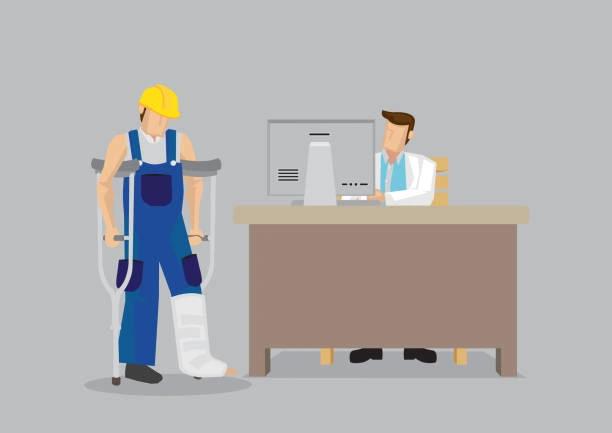
Training on Rehabilitation & Return-to-Work Programs for Injured/Ill Employees
Build effective return-to-work programs. Learn to manage illness, injuries, and reintegration with compassionate care and legal compliance
Next intake
20 Jul 2026 · Nakuru
Duration
5 days
Live instruction
Delivery
Physical + Virtual
Cohort based
Level
Intermediate
Working professionals
Certification
NITA reimbursable
For Kenyan cohorts
Language
English
All materials
About this programme
This course is designed to equip HR professionals, occupational health teams, safety officers, and case managers with the knowledge and tools to design and implement effective return-to-work strategies. Focusing on supporting employee return to work after illness, the training covers best practices in workplace rehabilitation services, accommodation for injured workers, and case management for occupational injuries. Participants will also explore approaches to managing long-term illness in employees, ensuring both compliance and compassion in workforce reintegration.
Duration
5 Days
Who Should Attend
-
HR Professionals
-
Occupational Health and Safety Officers
-
Disability and Return-to-Work Coordinators
-
Workplace Case Managers
-
Legal and Compliance Officers
What you'll walk away with
By the end of this course, participants will:
-
Implement policies for supporting employee return to work after illness
-
Coordinate workplace rehabilitation services tailored to individual needs
-
Provide effective accommodation for injured workers
-
Design procedures for managing long-term illness in employees
-
Apply best practices in case management for occupational injuries
What we cover, module by module
Module 1: Foundations of Return-to-Work and Rehabilitation Programs
- Introduction to workplace rehabilitation and return-to-work (RTW) programs
- Importance of employee recovery, reintegration, and workforce wellbeing
- Legal, ethical, and organizational responsibilities in RTW management
- Building inclusive, supportive, and safe workplace reintegration cultures
- Roles of HR, supervisors, medical professionals, and occupational health teams
- Case Study: Successful workplace reintegration programs following occupational injuries
- Practical Activity: Assessing organizational readiness for return-to-work implementation
Module 2: Case Management for Occupational Injuries and Illnesses
- Principles and frameworks of occupational injury case management
- Early intervention and coordinated rehabilitation approaches
- Managing communication between employers, healthcare providers, and insurers
- Documentation, reporting, and follow-up procedures
- Developing individualized rehabilitation and recovery plans
- Case Study: Coordinated injury management reducing employee recovery time
- Practical Exercise: Developing a case management workflow for workplace injuries
Module 3: Workplace Rehabilitation and Job Modification Strategies
- Designing effective workplace rehabilitation services
- Conducting job task analysis and ergonomic assessments
- Modified duties, transitional work programs, and workplace adjustments
- Monitoring employee progress and adapting rehabilitation plans
- Balancing operational needs with employee recovery requirements
- Case Study: Job redesign and rehabilitation strategies improving employee reintegration
- Practical Activity: Creating a workplace accommodation and rehabilitation plan
Module 4: Managing Long-Term Illness, Disability, and Workplace Accommodations
- Supporting employees with long-term illnesses and disabilities
- Legal obligations related to disability management and labor regulations
- Workplace accommodation strategies for injured or recovering employees
- Mental health considerations in return-to-work planning
- Promoting equity, inclusion, and employee dignity during reintegration
- Case Study: Managing long-term employee rehabilitation and workplace accommodations
- Group Exercise: Developing accommodation solutions for complex workplace scenarios
Module 5: Return-to-Work Evaluation, Monitoring, and Continuous Improvement
- Measuring the effectiveness of return-to-work programs
- Monitoring employee recovery, satisfaction, and productivity outcomes
- Evaluating organizational benefits of rehabilitation and reintegration programs
- Continuous improvement strategies for RTW systems and policies
- Integrating rehabilitation programs into occupational health and safety management systems
- Case Study: Evaluating the impact of return-to-work programs on workforce performance
- Final Project: Developing a comprehensive workplace return-to-work and rehabilitation framework
Where the change lands
Organizational Impact
-
The organization can improve employee well-being and productivity by providing a confidential resource that helps employees resolve personal and work-related problems.
-
A well-managed EAP can reduce costs related to absenteeism, turnover, and medical expenses, contributing to the company's financial health.
-
The program serves as a critical risk management tool by providing a proactive way to address stress, substance abuse, and other issues before they escalate into larger crises.
-
Offering a robust EAP enhances the organization's employer brand, demonstrating a genuine commitment to employee health that is essential for recruiting and retaining talent.
Personal Impact
-
The participant will gain a highly valuable and strategic skill set in a crucial area of modern human resources management.
-
Expertise in EAP design and management is a key skill for career progression into senior HR leadership or executive roles.
-
The individual will be able to contribute directly to the organization's financial success and positive culture by ensuring employees have the support they need to thrive.
-
The training will empower the participant with the knowledge and tools to make a tangible, positive impact on the lives of their colleagues.
Dates and locations
Upcoming intakes
Every intake is limited to a small cohort. Booking closes when a date fills or three weeks before the start, whichever comes first.
| City | Starts | Ends | Delivery | Book |
|---|---|---|---|---|
NakuruNext | 20 Jul 2026 | 24 Jul 2026 | In-Person | Book |
Kigali | 20 Jul 2026 | 24 Jul 2026 | In-Person | Book |
Accra | 20 Jul 2026 | 24 Jul 2026 | In-Person | Book |
Kisumu | 27 Jul 2026 | 31 Jul 2026 | In-Person | Book |
Johannesburg | 27 Jul 2026 | 31 Jul 2026 | In-Person | Book |
Dakar | 27 Jul 2026 | 31 Jul 2026 | In-Person | Book |
- NakuruNext
20 Jul → 24 Jul·In-Person
Book this intake - Kigali
20 Jul → 24 Jul·In-Person
Book this intake - Accra
20 Jul → 24 Jul·In-Person
Book this intake - Kisumu
27 Jul → 31 Jul·In-Person
Book this intake - Johannesburg
27 Jul → 31 Jul·In-Person
Book this intake - Dakar
27 Jul → 31 Jul·In-Person
Book this intake
Common questions.
Still not sure? Send us a note and a facilitator will get back to you within a business day.
You may also like.
Programmes in the same discipline that participants often pair with this course.
 Hybrid5 days
Strategic management training for healthcare leaders. Build sustainable, patient-centered, and innovative health systems.
 Hybrid5 days
Equip healthcare professionals with AI literacy, digital competencies, and practical knowledge to support smarter healthcare delivery.
 Hybrid5 days
Learn to apply AI and predictive analytics to prevent workplace accidents and improve safety performance.
Course finder
Find the right course for you
Prefer to talk it through? Send us an enquiry and a facilitator will scope a fit within a business day.
For corporate teams
Training 10+ professionals?
We deliver Training on Rehabilitation & Return-to-Work Programs for Injured/Ill Employees in-house at your offices, at a venue we arrange, or fully virtual. Customise the curriculum against your KPIs, and get a bespoke price for the cohort size you need.