
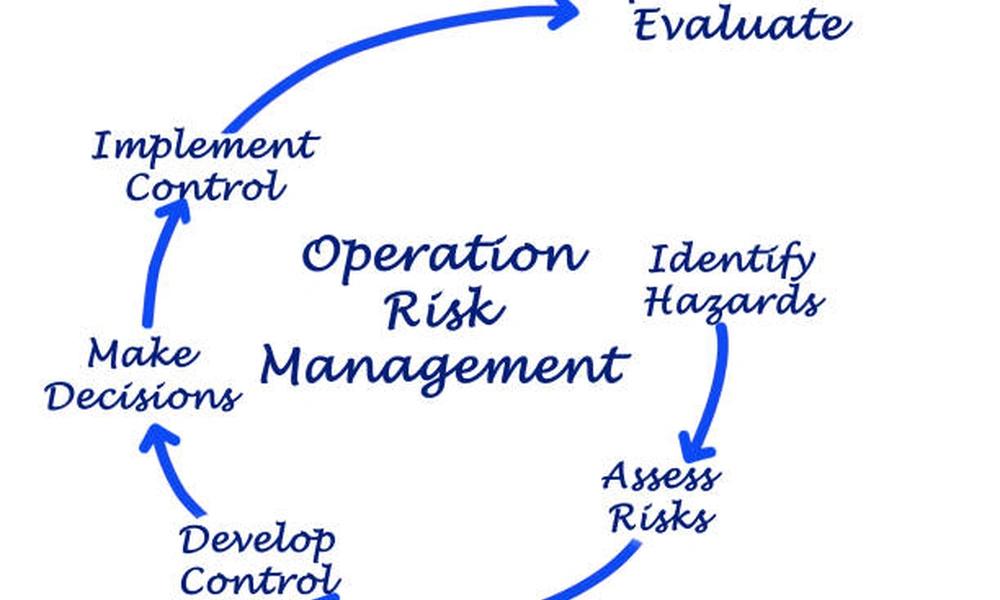
Training on Risk Management in SACCO Operations
Master risk management in SACCO operations -NPL reduction, fraud prevention, cash flow forecasting. Practical.
Next intake
20 Jul 2026 · Nakuru
Duration
5 days
Live instruction
Delivery
Physical + Virtual
Cohort based
Level
Intermediate
Working professionals
Certification
NITA reimbursable
For Kenyan cohorts
Language
English
All materials
About this programme
This specialized course equips SACCO board members, senior management, and risk officers with practical tools to identify, measure, monitor, and mitigate risks unique to cooperative financial institutions. Covering credit risk (loan default), operational risk (fraud, system failures), liquidity risk, interest rate risk, governance risk, and compliance with SACCO regulatory frameworks (e.g., SASRA, Co-operative Societies Acts), the course integrates risk-based internal auditing, loan portfolio stress testing, and recovery planning. Through real SACCO case studies and hands-on exercises, participants learn to protect member deposits, ensure solvency, and sustain growth.
Duration
5 Days
Who Should Attend
-
SACCO board members and supervisory committee members
-
SACCO CEOs and general managers
-
Risk managers and compliance officers
-
Credit officers and loan portfolio managers
-
Internal auditors in cooperative financial institutions
What you'll walk away with
By the end of the course, participants will be able to:
-
Identify key SACCO risk categories (credit, liquidity, operational, governance)
-
Implement loan underwriting and collection controls to reduce NPLs
-
Detect and prevent common fraud schemes in SACCO operations
-
Conduct liquidity risk monitoring and contingency planning
-
Apply risk-based internal auditing techniques
What we cover, module by module
Module 1: SACCO Risk Landscape & Governance Risk
-
Unique SACCO risks: member common bond, dual role (borrower/saver), volunteer boards
-
Governance risk: board competence, conflict of interest, management override
-
Regulatory framework: Co-operative Societies Act, SACCO regulatory authority (e.g., SASRA) requirements
-
Case Study: Review a SACCO board minutes excerpt – identify three governance red flags and draft recommendations for the supervisory committee
Module 2: Credit Risk Management -Underwriting, Monitoring & Recovery
-
Loan underwriting standards: affordability assessment, collateral valuation, guarantor verification
-
Early warning indicators: missed payments, loan restructuring requests, check-offs
-
Non-performing loan (NPL) classification, provisioning, and recovery strategies
-
Hands-on Exercise: Analyze a loan portfolio of 50 members – calculate NPL ratio, identify top 5 at-risk loans, and recommend specific actions (restructure, demand letter, write-off)
Module 3: Operational Risk – Fraud Prevention & Internal Controls
-
Common SACCO fraud schemes: phantom loans, cheque tampering, payroll deduction manipulation, share capital theft
-
Segregation of duties, dual authorization, surprise audits, and whistleblower mechanisms
-
IT risks: core banking system access controls, backup failures, cyber fraud (SIM swap, phishing)
-
Case Study: Investigate a suspicious loan file where a member claims they never borrowed – trace the control breakdown and draft three remedial policy changes
Module 4: Liquidity & Interest Rate Risk Management
-
Liquidity risk drivers: loan-to-savings ratio, member deposit behavior, undrawn commitments
-
Cash flow forecasting: daily, weekly, and monthly liquidity gaps
-
Interest rate mismatch: fixed-rate loans vs. variable-rate deposits, repricing risk
-
Hands-on Exercise: Build a 30-day cash flow projection for a SACCO with $5M deposits, $4.5M loans, and $2M in undrawn loan commitments – identify a liquidity shortfall and propose solutions (borrowing, restrict new loans, call deposits)
Module 5: Risk-Based Internal Auditing & Enterprise Risk Management (ERM)
-
Moving from compliance auditing to risk-based auditing (high-risk processes first)
-
Risk control self-assessments (RCSA) for each department (credit, operations, finance, IT)
-
Developing a SACCO risk register with inherent risk, controls, and residual risk ratings
-
Hands-on Exercise: Complete a risk register for a mid-sized SACCO – identify top 5 risks, assign owners, set risk appetite thresholds, and present an audit plan for the next quarter
Where the change lands
Organizational Impacts
-
Reduced non-performing loan (NPL) ratios through improved credit risk controls
-
Enhanced member confidence and deposit retention
-
Improved regulatory compliance and reduced enforcement actions
-
Reduced operational losses from fraud, errors, and system failures
Individual Impacts
-
Ability to conduct loan portfolio stress tests and early warning detection
-
Skill to implement internal controls against common SACCO fraud schemes
-
Proficiency in liquidity contingency planning and cash flow forecasting
-
Confidence to report risk exposures to board and regulators
Dates and locations
Upcoming intakes
Every intake is limited to a small cohort. Booking closes when a date fills or three weeks before the start, whichever comes first.
| City | Starts | Ends | Delivery | Book |
|---|---|---|---|---|
NakuruNext | 20 Jul 2026 | 24 Jul 2026 | In-Person | Book |
Kigali | 20 Jul 2026 | 24 Jul 2026 | In-Person | Book |
Accra | 20 Jul 2026 | 24 Jul 2026 | In-Person | Book |
Kisumu | 27 Jul 2026 | 31 Jul 2026 | In-Person | Book |
Johannesburg | 27 Jul 2026 | 31 Jul 2026 | In-Person | Book |
Dakar | 27 Jul 2026 | 31 Jul 2026 | In-Person | Book |
- NakuruNext
20 Jul → 24 Jul·In-Person
Book this intake - Kigali
20 Jul → 24 Jul·In-Person
Book this intake - Accra
20 Jul → 24 Jul·In-Person
Book this intake - Kisumu
27 Jul → 31 Jul·In-Person
Book this intake - Johannesburg
27 Jul → 31 Jul·In-Person
Book this intake - Dakar
27 Jul → 31 Jul·In-Person
Book this intake
Common questions.
Still not sure? Send us a note and a facilitator will get back to you within a business day.
You may also like.
Programmes in the same discipline that participants often pair with this course.
 Hybrid5 days
Advanced fiduciary governance training for pension trustees and boards.
 Hybrid5 days
Strengthen pension fund governance through climate risk and sustainable investing.
 Hybrid5 days
Learn customer retention strategies, journey mapping, and service delivery in the insurance industry.
Course finder
Find the right course for you
Prefer to talk it through? Send us an enquiry and a facilitator will scope a fit within a business day.
For corporate teams
Training 10+ professionals?
We deliver Training on Risk Management in SACCO Operations in-house at your offices, at a venue we arrange, or fully virtual. Customise the curriculum against your KPIs, and get a bespoke price for the cohort size you need.