
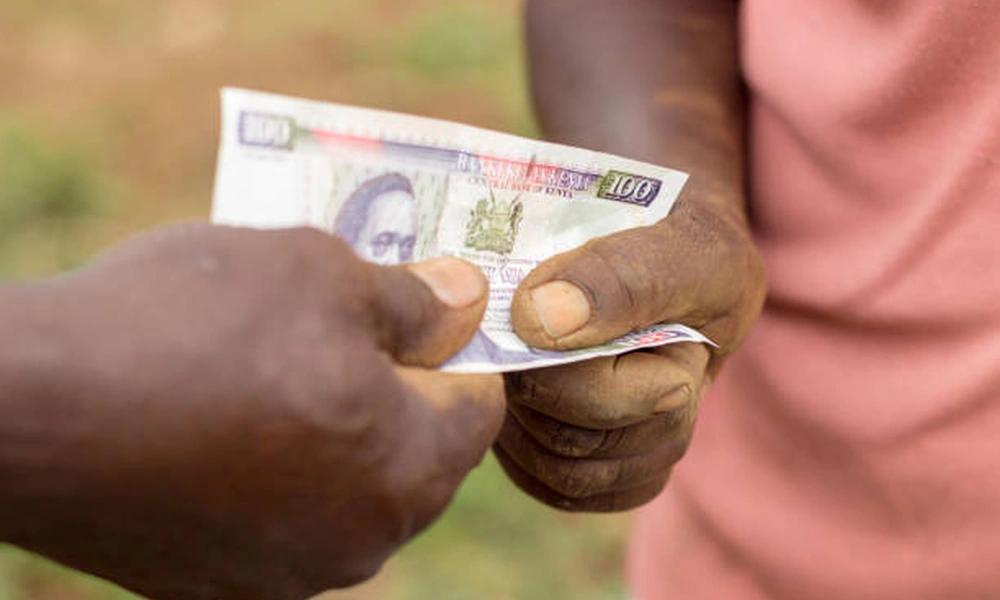
Training on Cash and Voucher Assistance (CVA) in Humanitarian Action
Master Cash and Voucher Assistance (CVA) in humanitarian action. Learn modality selection, market assessment, and delivery mechanisms.
Next intake
20 Jul 2026 · Nakuru
Duration
5 days
Live instruction
Delivery
Physical + Virtual
Cohort based
Level
Intermediate
Working professionals
Certification
NITA reimbursable
For Kenyan cohorts
Language
English
All materials
About this programme
This intermediate course provides comprehensive training on Cash and Voucher Assistance (CVA), which has become a standard modality in humanitarian response. Participants will learn to design, implement, and monitor CVA programs, including unconditional and conditional cash transfers, vouchers, and cash-for-work, while managing risks and ensuring accountability.
Who Should Attend:
-
CVA Program Managers
-
Humanitarian Response Coordinators
-
NGO Finance and Compliance Staff
-
Social Protection and Livelihoods Specialists
What you'll walk away with
-
Assess feasibility of CVA based on market, context, and risk analysis.
-
Design appropriate CVA modalities (cash, voucher, cash-for-work) for program objectives.
-
Implement delivery mechanisms (e.g., mobile money, e-vouchers, cash-in-hand).
-
Monitor CVA programs and manage financial and safeguarding risks.
What we cover, module by module
Module 1: The Case for Cash and Voucher Assistance
-
History and evolution of CVA in humanitarian action.
-
Advantages: choice, dignity, efficiency, and local economic impact.
-
Types of CVA: unconditional cash, conditional cash, vouchers, and cash-for-work.
-
Case Study/Hands-on Exercise: Compare the appropriateness of in-kind food aid vs. cash transfers for a given displacement context, considering market access and protection concerns.
Module 2: Feasibility Assessment and Market Analysis
-
The Minimum Economic Recovery Standards (MERS) and market assessment tools.
-
Assessing market functionality, supply chains, and price volatility.
-
Contextual feasibility: security, financial infrastructure, and social considerations.
-
Case Study/Hands-on Exercise: Conduct a rapid market assessment for a potential CVA program, evaluating market availability, accessibility, and stability for key goods.
Module 3: CVA Modality and Delivery Mechanism Design
-
Selecting modalities: unrestricted vs. restricted, conditional vs. unconditional.
-
Delivery mechanisms: mobile money, e-vouchers, smart cards, cash-in-hand, and bank transfers.
-
Calculating transfer values: minimum expenditure basket (MEB) and gap analysis.
-
Case Study/Hands-on Exercise: Design a CVA program for a food security intervention, selecting modalities and delivery mechanisms, and calculating the transfer value based on the MEB.
Module 4: CVA Implementation and Risk Management
-
Beneficiary targeting, registration, and payment processes.
-
Risk management: financial, fraud, security, and safeguarding.
-
Standard operating procedures (SOPs) for CVA.
-
Case Study/Hands-on Exercise: Develop a risk management matrix for a mobile money CVA program, identifying risks (e.g., fraud, exclusion, security) and mitigation measures.
Module 5: Monitoring, Evaluation, and Coordination in CVA
-
CVA-specific monitoring: post-distribution monitoring (PDM), price monitoring, and satisfaction surveys.
-
Outcome and impact indicators for CVA.
-
Coordination with cash working groups and social protection systems.
-
Case Study/Hands-on Exercise: Design a post-distribution monitoring plan for a CVA program, including questions on use of cash, beneficiary satisfaction, and unintended effects.
Where the change lands
Organizational Impacts:
-
More efficient and dignified assistance through choice and local markets.
-
Reduced logistics costs compared to in-kind aid.
-
Enhanced local economic recovery through market support.
Individual Impacts:
-
Mastery of CVA modalities and delivery mechanisms.
-
Expertise in market assessment and transfer value calculation.
-
Skills to manage financial and operational risks in CVA.
Dates and locations
Upcoming intakes
Every intake is limited to a small cohort. Booking closes when a date fills or three weeks before the start, whichever comes first.
| City | Starts | Ends | Delivery | Book |
|---|---|---|---|---|
NakuruNext | 20 Jul 2026 | 24 Jul 2026 | In-Person | Book |
Kigali | 20 Jul 2026 | 24 Jul 2026 | In-Person | Book |
Accra | 20 Jul 2026 | 24 Jul 2026 | In-Person | Book |
Kisumu | 27 Jul 2026 | 31 Jul 2026 | In-Person | Book |
Johannesburg | 27 Jul 2026 | 31 Jul 2026 | In-Person | Book |
Dakar | 27 Jul 2026 | 31 Jul 2026 | In-Person | Book |
- NakuruNext
20 Jul → 24 Jul·In-Person
Book this intake - Kigali
20 Jul → 24 Jul·In-Person
Book this intake - Accra
20 Jul → 24 Jul·In-Person
Book this intake - Kisumu
27 Jul → 31 Jul·In-Person
Book this intake - Johannesburg
27 Jul → 31 Jul·In-Person
Book this intake - Dakar
27 Jul → 31 Jul·In-Person
Book this intake
Common questions.
Still not sure? Send us a note and a facilitator will get back to you within a business day.
You may also like.
Programmes in the same discipline that participants often pair with this course.
 Hybrid5 days
Manage displacement sites effectively. This intermediate course covers site planning, community participation, and camp closure.
 Hybrid10 days
Protect children in emergencies, displacement, and armed conflict. This course covers CPMS, child-friendly spaces, and reintegration.
 Hybrid5 days
Master Community Engagement and Accountability (CEA) in humanitarian action. Learn feedback mechanisms, communication ecosystems, and integration.
Course finder
Find the right course for you
Prefer to talk it through? Send us an enquiry and a facilitator will scope a fit within a business day.
For corporate teams
Training 10+ professionals?
We deliver Training on Cash and Voucher Assistance (CVA) in Humanitarian Action in-house at your offices, at a venue we arrange, or fully virtual. Customise the curriculum against your KPIs, and get a bespoke price for the cohort size you need.