

Training on Circular Economy in Agriculture (Waste-to-Value Systems)
Learn circular economy principles in agriculture and transform waste into value through sustainable resource management, innovation, and climate-smart practices
Next intake
20 Jul 2026 · Nakuru
Duration
5 days
Live instruction
Delivery
Physical + Virtual
Cohort based
Level
Advanced
Working professionals
Certification
NITA reimbursable
For Kenyan cohorts
Language
English
All materials
About this programme
Sustainable agriculture increasingly depends on innovative approaches that minimize waste, maximize resource efficiency, and create new economic opportunities. This course equips participants with practical knowledge and skills to implement circular economy principles in agriculture by transforming agricultural waste into valuable products such as organic fertilizers, bioenergy, animal feed, compost, and other value-added resources.
Through practical case studies, field-based examples, and hands-on exercises, participants will explore sustainable waste management strategies, resource recovery technologies, circular business models, and policy frameworks that promote environmental sustainability, climate resilience, and profitable agribusiness practices.
Duration
5 Days
Who Should Attend
- Agricultural Officers
- Agribusiness Managers
- Farmers and Farmer Cooperatives
- Extension Officers
- Environmental and Sustainability Professionals
- NGO and Development Practitioners
- Food Processing Companies
- Agricultural Researchers
- Policymakers
- Entrepreneurs in the Green Economy
What you'll walk away with
By the end of the training, participants will be able to:
- Understand the principles and benefits of the circular economy in agriculture.
- Identify opportunities for converting agricultural waste into valuable products.
- Apply sustainable waste management and resource recovery techniques.
- Develop waste-to-value business models for agricultural enterprises.
- Utilize innovative technologies to improve resource efficiency and reduce environmental impact.
- Strengthen climate-smart and sustainable agricultural practices.
- Design circular economy strategies for farms, cooperatives, and agribusinesses.
What we cover, module by module
Module 1: Introduction to Circular Economy in Agriculture
- Principles of the circular economy
- Linear vs. circular agricultural systems
- Sustainable resource management
- Agricultural waste streams and opportunities
- Policy frameworks and global best practices
- Case Study: Successful implementation of circular farming systems in commercial agriculture.
- Practical Exercise: Map agricultural waste streams and identify value recovery opportunities.
Module 2: Waste-to-Value Technologies & Resource Recovery
- Composting and organic fertilizer production
- Biochar and soil enhancement
- Biogas and renewable energy systems
- Crop residue utilization
- Water recycling and nutrient recovery
- Case Study: Transforming farm waste into renewable energy and organic inputs.
- Practical Exercise: Develop a waste-to-value process flow for a selected agricultural enterprise.
Module 3: Circular Business Models & Agribusiness Innovation
- Circular value chains
- Business model development
- Market opportunities for recycled agricultural products
- Cost-benefit analysis
- Financing circular economy initiatives
- Case Study: Agribusinesses creating new revenue streams through waste valorization.
- Practical Exercise: Design a circular agribusiness model for a farm or cooperative.
Module 4: Climate-Smart Agriculture & Sustainable Production
- Circular economy and climate resilience
- Carbon footprint reduction strategies
- Sustainable soil and water management
- Biodiversity conservation
- Regenerative agriculture practices
- Case Study: Integrating circular economy principles into climate-smart farming.
- Practical Exercise: Develop a sustainability improvement plan for an agricultural operation.
Module 5: Implementation, Monitoring & Scaling Circular Systems
- Circular economy implementation strategies
- Monitoring environmental and economic performance
- Policy compliance and sustainability reporting
- Stakeholder engagement and partnerships
- Scaling waste-to-value initiatives
- Case Study: Scaling circular agriculture projects for community and commercial impact.
- Practical Exercise: Develop and present a Circular Economy Action Plan for participants' organizations or farms.
Where the change lands
Individual Impact
- Apply circular economy principles in agricultural operations.
- Develop innovative waste-to-value solutions.
- Improve resource efficiency and reduce production costs.
- Identify new income-generating opportunities from agricultural waste.
Organizational Impact
- Reduced agricultural waste and environmental impact.
- Increased resource efficiency and operational sustainability.
- Diversified revenue streams through value-added products.
- Enhanced climate resilience and sustainable agribusiness practices.
Dates and locations
Upcoming intakes
Every intake is limited to a small cohort. Booking closes when a date fills or three weeks before the start, whichever comes first.
| City | Starts | Ends | Delivery | Book |
|---|---|---|---|---|
NakuruNext | 20 Jul 2026 | 24 Jul 2026 | In-Person | Book |
Kigali | 20 Jul 2026 | 24 Jul 2026 | In-Person | Book |
Accra | 20 Jul 2026 | 24 Jul 2026 | In-Person | Book |
Kisumu | 27 Jul 2026 | 31 Jul 2026 | In-Person | Book |
Johannesburg | 27 Jul 2026 | 31 Jul 2026 | In-Person | Book |
Dakar | 27 Jul 2026 | 31 Jul 2026 | In-Person | Book |
- NakuruNext
20 Jul → 24 Jul·In-Person
Book this intake - Kigali
20 Jul → 24 Jul·In-Person
Book this intake - Accra
20 Jul → 24 Jul·In-Person
Book this intake - Kisumu
27 Jul → 31 Jul·In-Person
Book this intake - Johannesburg
27 Jul → 31 Jul·In-Person
Book this intake - Dakar
27 Jul → 31 Jul·In-Person
Book this intake
Common questions.
Still not sure? Send us a note and a facilitator will get back to you within a business day.
You may also like.
Programmes in the same discipline that participants often pair with this course.
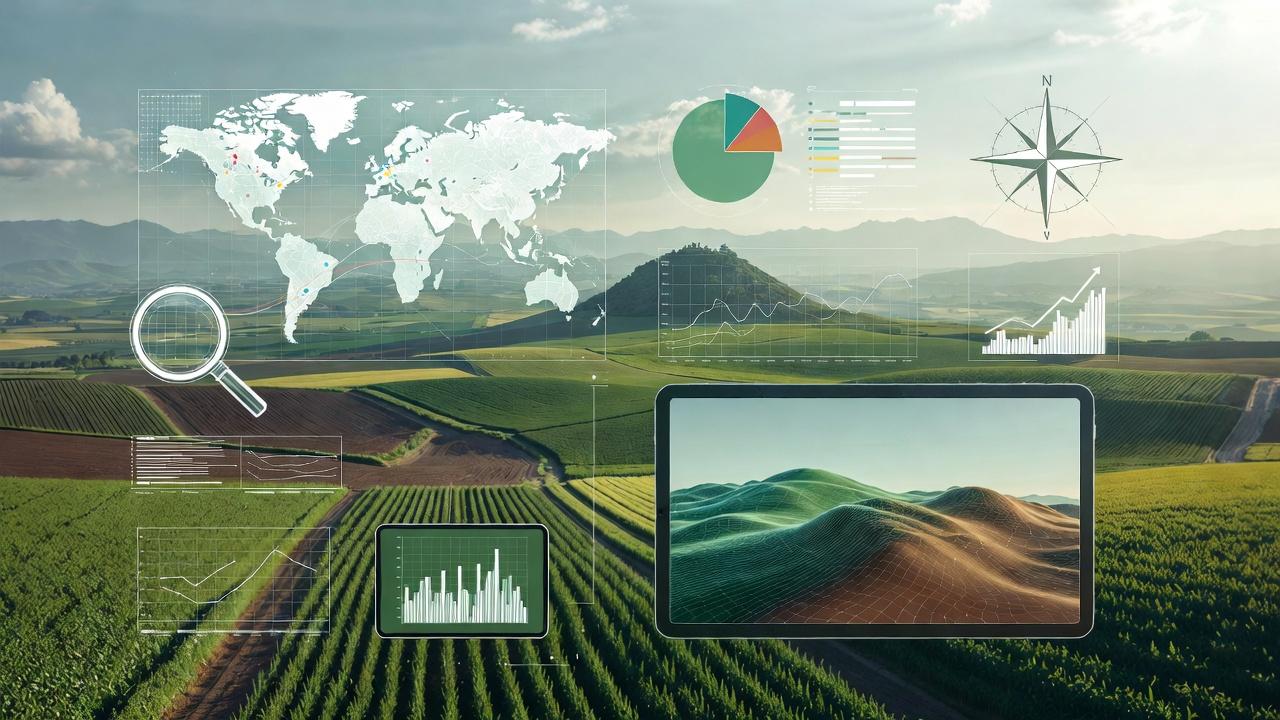 Hybrid5 days
Build skills to apply AI and data analytics for smarter, more productive, and resilient agricultural systems.
 Hybrid5 days
Unlock agri-finance opportunities with this practical 5-module course—designed to help farmers and agribusinesses access funding, manage risk, and grow sustainably.
 Hybrid10 days
Gain expertise in advanced pest management. Our training course covers critical topics like integrated pest management (IPM), biological control, and chemical application techniques.
Course finder
Find the right course for you
Prefer to talk it through? Send us an enquiry and a facilitator will scope a fit within a business day.
For corporate teams
Training 10+ professionals?
We deliver Training on Circular Economy in Agriculture (Waste-to-Value Systems) in-house at your offices, at a venue we arrange, or fully virtual. Customise the curriculum against your KPIs, and get a bespoke price for the cohort size you need.