
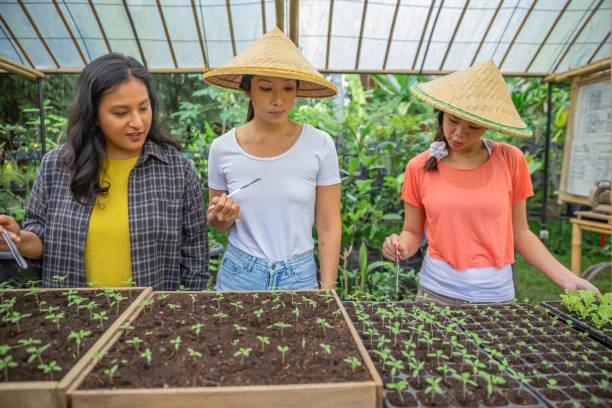
Training on Organic Farming: Sustainable Practices for Agribusiness
Master organic farming techniques to enhance productivity, sustainability, and market access while promoting environmental stewardship.
Duration
5 days
Live instruction
Delivery
Physical + Virtual
Cohort based
Level
Intermediate
Working professionals
Certification
NITA reimbursable
For Kenyan cohorts
Language
English
All materials
About this programme
Organic farming represents a strategic and economically viable approach that benefits farm productivity, soil health, the environment, and consumers. By adopting low-input, sustainable practices, farms can maintain long-term soil fertility, reduce land degradation, and lower production costs. With growing global demand for organic produce, this course equips professionals and agribusinesses with the knowledge and skills to implement organic farming practices effectively while promoting environmental sustainability for future generations.
Duration
5 Days
Who Should Attend
-
Agribusiness managers and farm owners
-
Agricultural extension officers and consultants
-
Sustainability and environmental specialists
-
Horticulturists and crop production specialists
-
Policy makers and NGO staff involved in agriculture and food security
What you'll walk away with
By the end of this course, participants will be able to:
-
Apply organic farming principles to enhance productivity and sustainability.
-
Implement effective soil fertility and crop management strategies.
-
Manage pests and diseases using environmentally friendly methods.
-
Ensure compliance with organic certification standards.
-
Align farm operations with market demand for organic produce.
What we cover, module by module
Module 1: Principles of Organic Farming
-
Philosophy and global trends of organic agriculture
-
Benefits of organic farming for soil, environment, and business
-
Economic viability and market potential of organic produce
-
Case Study: Transitioning a conventional farm to organic production
Module 2: Soil Health and Fertility Management
-
Soil assessment and improvement techniques
-
Composting, green manures, and organic fertilizers
-
Crop rotation and sustainable land management
-
Case Study: Enhancing soil fertility in a degraded farmland
Module 3: Organic Crop Production
-
Selecting suitable crops for organic cultivation
-
Planting, spacing, and irrigation strategies
-
Optimizing yield while maintaining sustainability
-
Case Study: Designing an integrated organic vegetable production plan
Module 4: Pest and Disease Management
-
Integrated Pest Management (IPM) in organic systems
-
Use of biological controls and natural pesticides
-
Disease prevention, monitoring, and control strategies
-
Case Study: Managing a pest outbreak in an organic crop system
Module 5: Certification, Compliance, and Market Access
-
Organic certification standards and compliance procedures
-
Documentation, record-keeping, and audits
-
Marketing strategies and accessing premium organic markets
-
Case Study: Achieving certification and positioning organic products in high-value markets
Where the change lands
Organizational Impact:
-
Increased farm productivity and efficiency through sustainable practices
-
Compliance with global organic standards and regulations
-
Access to premium markets and improved brand reputation
-
Long-term sustainability and environmental stewardship
Individual Impact:
-
Mastery of organic farming techniques and compliance requirements
-
Enhanced decision-making in crop and soil management
-
Ability to implement sustainable practices that support profitability and market growth
-
Increased competitiveness in the organic agribusiness sector
Common questions.
Still not sure? Send us a note and a facilitator will get back to you within a business day.
You may also like.
Programmes in the same discipline that participants often pair with this course.
 Hybrid5 days
Build skills to apply AI and data analytics for smarter, more productive, and resilient agricultural systems.
 Hybrid5 days
Unlock agri-finance opportunities with this practical 5-module course—designed to help farmers and agribusinesses access funding, manage risk, and grow sustainably.
 Hybrid10 days
Gain expertise in advanced pest management. Our training course covers critical topics like integrated pest management (IPM), biological control, and chemical application techniques.
Course finder
Find the right course for you
Prefer to talk it through? Send us an enquiry and a facilitator will scope a fit within a business day.
For corporate teams
Training 10+ professionals?
We deliver Training on Organic Farming: Sustainable Practices for Agribusiness in-house at your offices, at a venue we arrange, or fully virtual. Customise the curriculum against your KPIs, and get a bespoke price for the cohort size you need.