
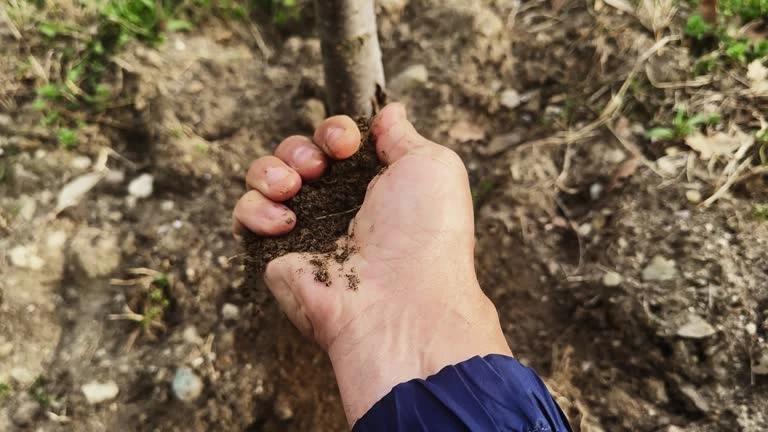
Training on Soil Science and Management
Gain expertise in soil science and management. Our training course covers critical topics like soil fertility, soil structure, and sustainable soil management practices.
Next intake
20 Jul 2026 · Nakuru
Duration
10 days
Live instruction
Delivery
Physical + Virtual
Cohort based
Level
Intermediate
Working professionals
Certification
NITA reimbursable
For Kenyan cohorts
Language
English
All materials
About this programme
Soil Science and Management provides participants with a comprehensive understanding of soil properties, processes, and sustainable soil management practices. Participants will explore the fundamental aspects of soil science, including physical, chemical, and biological properties, soil fertility, water retention, and erosion control. The course emphasizes modern soil management techniques to enhance agricultural productivity and environmental sustainability. Practical field activities, case studies, and soil testing techniques will allow participants to develop hands-on experience in sustainable soil use and conservation strategies.
Duration
10 Days
Who Should Attend
- Agronomists, horticulturists, and environmental scientists
- Soil scientists and technicians
- Agricultural extension officers and land management professionals
- Farmers, landscapers, and agribusiness professionals
- Environmental and sustainability consultants
- Researchers and students in agriculture or environmental science
What you'll walk away with
By the end of this course, participants will be able to:
- Understand the basic principles of soil science, including soil formation, classification, and composition.
- Assess the physical, chemical, and biological properties of soils and their influence on plant growth and land productivity.
- Conduct soil testing and interpret results for better land use decisions.
- Apply sustainable soil management practices to maintain soil health and productivity.
- Implement strategies to manage soil erosion, improve soil fertility, and conserve soil moisture.
- Recognize the role of soil in the ecosystem and its interaction with water, nutrients, and organic matter.
- Utilize soil conservation techniques to mitigate environmental challenges such as desertification, salinity, and pollution.
- Integrate advanced soil management technologies for improved agricultural sustainability and environmental resilience.
What we cover, module by module
Module 1: Introduction to Soil Science
- Soil formation and development
- Soil components: minerals, organic matter, water, and air
- Soil classification and taxonomy
- Overview of soil functions in ecosystems
Module 2: Soil Physical Properties
- Soil texture, structure, and porosity
- Soil water retention and movement
- Soil aeration and temperature regulation
- Practical session: Soil texture and moisture determination
Module 3: Soil Chemical Properties
- Soil pH and its impact on nutrient availability
- Cation exchange capacity (CEC) and base saturation
- Soil salinity and alkalinity management
- Practical session: Soil pH and nutrient analysis
Module 4: Soil Biology and Organic Matter
- Soil organisms and their roles in nutrient cycling
- Decomposition of organic matter and humus formation
- The importance of soil biodiversity for soil health
- Practical session: Soil microbiology and organic matter testing
Module 5: Soil Fertility and Nutrient Management
- Essential plant nutrients and soil fertility management
- Fertilizer types, application techniques, and timing
- Soil amendments: organic vs. inorganic inputs
- Case study: Nutrient management plans in sustainable agriculture
Module 6: Soil Erosion and Conservation Techniques
- Types and causes of soil erosion
- Soil conservation structures and practices
- Vegetative and mechanical erosion control methods
- Fieldwork: Identifying erosion-prone areas and conservation practices
Module 7: Water Management and Soil Moisture Conservation
- Role of soil in water retention and drainage
- Irrigation management and soil-water relations
- Techniques for improving soil moisture retention
- Case study: Water management in different soil types
Module 8: Soil Pollution and Remediation
- Sources of soil contamination: heavy metals, pesticides, and industrial waste
- Soil remediation techniques: bioremediation, phytoremediation, and soil washing
- Managing contaminated soils in agricultural and industrial lands
- Practical session: Identifying and testing polluted soils
Module 9: Advanced Soil Management Technologies
- Precision agriculture and GIS applications in soil management
- Remote sensing for soil mapping and monitoring
- Role of drones and sensors in soil health monitoring
- Case study: Successful implementation of technology in soil management
Module 10: Sustainable Soil Management and Policy
- Soil management strategies for climate change adaptation
- Policy frameworks for soil protection and sustainable land use
- Integrating soil health into national and international agricultural policies
- Developing a sustainable soil management plan
Where the change lands
Organizational Impact
-
The organization can significantly increase crop yields and quality by implementing science-backed practices that improve soil health and fertility.
-
By optimizing nutrient management and reducing erosion, the organization can lower operational costs and ensure more efficient use of resources.
-
Investing in soil health ensures the long-term viability and productivity of agricultural land, which is a critical asset for the organization.
-
Adopting sustainable soil management practices enhances the organization's reputation and contributes to its environmental responsibility goals.
Personal Impact
-
The participant will gain a highly valuable and foundational skill set that is essential for all aspects of agricultural production.
-
Expertise in soil science is a crucial skill for career progression into advanced agronomy, farm management, or research and development roles.
-
The individual will be able to contribute directly to the organization's long-term sustainability and profitability by improving its most valuable asset.
-
The training provides the confidence to make informed decisions about land management that benefit both the business and the environment.
Dates and locations
Upcoming intakes
Every intake is limited to a small cohort. Booking closes when a date fills or three weeks before the start, whichever comes first.
| City | Starts | Ends | Delivery | Book |
|---|---|---|---|---|
NakuruNext | 20 Jul 2026 | 31 Jul 2026 | In-Person | Book |
Kigali | 20 Jul 2026 | 31 Jul 2026 | In-Person | Book |
Accra | 20 Jul 2026 | 31 Jul 2026 | In-Person | Book |
Kisumu | 27 Jul 2026 | 07 Aug 2026 | In-Person | Book |
Johannesburg | 27 Jul 2026 | 07 Aug 2026 | In-Person | Book |
Dakar | 27 Jul 2026 | 07 Aug 2026 | In-Person | Book |
- NakuruNext
20 Jul → 31 Jul·In-Person
Book this intake - Kigali
20 Jul → 31 Jul·In-Person
Book this intake - Accra
20 Jul → 31 Jul·In-Person
Book this intake - Kisumu
27 Jul → 07 Aug·In-Person
Book this intake - Johannesburg
27 Jul → 07 Aug·In-Person
Book this intake - Dakar
27 Jul → 07 Aug·In-Person
Book this intake
Common questions.
Still not sure? Send us a note and a facilitator will get back to you within a business day.
You may also like.
Programmes in the same discipline that participants often pair with this course.
 Hybrid5 days
Build skills to apply AI and data analytics for smarter, more productive, and resilient agricultural systems.
 Hybrid5 days
Unlock agri-finance opportunities with this practical 5-module course—designed to help farmers and agribusinesses access funding, manage risk, and grow sustainably.
 Hybrid10 days
Gain expertise in advanced pest management. Our training course covers critical topics like integrated pest management (IPM), biological control, and chemical application techniques.
Course finder
Find the right course for you
Prefer to talk it through? Send us an enquiry and a facilitator will scope a fit within a business day.
For corporate teams
Training 10+ professionals?
We deliver Training on Soil Science and Management in-house at your offices, at a venue we arrange, or fully virtual. Customise the curriculum against your KPIs, and get a bespoke price for the cohort size you need.