

Training on Advanced Warehouse Management Systems (WMS) and Automation
Elevate your distribution center. Learn to integrate WMS with robotics and AI for scalable, high-efficiency logistics.
Next intake
20 Jul 2026 · Nakuru
Duration
10 days
Live instruction
Delivery
Physical + Virtual
Cohort based
Level
Advanced
Working professionals
Certification
NITA reimbursable
For Kenyan cohorts
Language
English
All materials
About this programme
This advanced course delves into the strategic implementation and optimization of Warehouse Management Systems (WMS) alongside emerging automation technologies. Participants will explore the integration of robotics, automated storage and retrieval systems (AS/RS), and artificial intelligence to drive warehouse efficiency, accuracy, and scalability, transforming distribution centers into competitive advantages.
Who Should Attend:
- Warehouse Directors
- Supply Chain IT Managers
- Operations Excellence Leaders
- Senior Logistics Managers
What you'll walk away with
- Design a WMS architecture that supports automation and scalability.
- Evaluate and select appropriate automation technologies (e.g., AMRs, AS/RS, pick-to-light).
- Implement strategies for seamless integration of WMS with robotics and ERP systems.
- Analyze warehouse data to identify bottlenecks and optimize workflow.
What we cover, module by module
Module 1: Strategic Role of WMS in the Modern Supply Chain
- Evolution from basic inventory tracking to integrated supply chain orchestration.
- Aligning WMS capabilities with business strategy and customer service goals.
- Key differentiators in tier-1 WMS solutions (e.g., Blue Yonder, Manhattan, SAP EWM).
- Case Study/Hands-on Exercise: Evaluate three case studies of companies with different business models (e.g., e-commerce, retail, manufacturing) and recommend the WMS functional priorities for each.
Module 2: Advanced WMS Configuration and Customization
- Configuring putaway, picking, packing, and shipping logic.
- Creating custom dashboards and reports for operational visibility.
- Managing user roles, permissions, and workflows.
- Case Study/Hands-on Exercise: Configure a wave picking strategy in a simulated WMS environment for a multi-channel retailer with both pallet and each-picking requirements.
Module 3: Introduction to Warehouse Automation Technologies
- Overview of automation types: fixed (conveyors, AS/RS) vs. flexible (Autonomous Mobile Robots - AMRs).
- Understanding the capabilities and limitations of goods-to-person and person-to-goods systems.
- The role of vision systems and IoT sensors.
- Case Study/Hands-on Exercise: Analyze the operational data of a distribution center to identify top three processes most suitable for automation and justify the choice of technology.
Module 4: Robotics Integration: AMRs and Automated Picking
- Deep dive into AMR fleet management and navigation technologies.
- Integrating robotic picking arms with WMS for mixed-case palletizing.
- Workflow orchestration between human workers and robots.
- Case Study/Hands-on Exercise: Design a zone for AMR deployment in a given warehouse layout, defining traffic flow, charging stations, and pick stations.
Module 5: AS/RS and High-Density Storage Solutions
- Evaluating AS/RS types: unit-load, mini-load, and shuttle systems.
- Calculating the impact of high-density storage on cube utilization and land costs.
- Integration of AS/RS with WMS for real-time inventory control.
- Case Study/Hands-on Exercise: Create a cost-benefit analysis for replacing a traditional pallet racking system with a shuttle-based AS/RS, considering throughput and storage density.
Module 6: WMS Integration with ERP and Supply Chain Systems
- The role of middleware and APIs in system integration.
- Managing data flow between WMS, TMS, and ERP for end-to-end visibility.
- Strategies for handling system failures and ensuring data consistency.
- Case Study/Hands-on Exercise: Map the data flow for a customer order from an e-commerce platform through the ERP to the WMS and back, identifying potential integration points of failure.
Module 7: Labor Management Systems (LMS) and Workforce Optimization
- Linking LMS to WMS to track individual and team productivity.
- Developing engineered labor standards for automated and manual processes.
- Using gamification and performance analytics to improve employee engagement.
- Case Study/Hands-on Exercise: Analyze a labor productivity report from a WMS/LMS, identify the root causes of underperformance in a specific picking zone, and propose corrective actions.
Module 8: Data Analytics and Continuous Improvement in Warehousing
- Using WMS data to identify process bottlenecks (e.g., dwell time, travel time).
- Implementing slotting optimization based on ABC analysis and order profiles.
- Creating predictive models for labor and space requirements.
- Case Study/Hands-on Exercise: Use a dataset of order lines and SKU velocity to develop a new slotting strategy that reduces travel time by 15%.
Module 9: Cybersecurity and Risk Management for Automated Warehouses
- Identifying vulnerabilities in connected warehouse systems (WMS, robotics, IoT).
- Implementing network segmentation and access controls.
- Developing a business continuity plan for automation outages.
- Case Study/Hands-on Exercise: Conduct a risk assessment for a fully automated facility, identifying critical single points of failure and proposing mitigation strategies.
Module 10: Project Management and Change Management for WMS/Automation
- Managing the lifecycle of a WMS implementation or upgrade.
- Stakeholder management and communication strategies.
- Training and upskilling the workforce for a technology-driven environment.
- Case Study/Hands-on Exercise: Develop a phased implementation roadmap for introducing AMRs into a legacy warehouse, including a change management plan for existing associates.
Where the change lands
Organizational Impacts:
- Increased order accuracy and reduced cycle times.
- Scalable operations to handle peak demand without proportional labor increase.
- Enhanced inventory visibility and reduced carrying costs.
Individual Impacts:
- Mastery in configuring and optimizing advanced WMS functionalities.
- Expertise in ROI analysis for automation investments.
- Strategic skills for leading digital transformation in warehouse operations.
Dates and locations
Upcoming intakes
Every intake is limited to a small cohort. Booking closes when a date fills or three weeks before the start, whichever comes first.
| City | Starts | Ends | Delivery | Book |
|---|---|---|---|---|
NakuruNext | 20 Jul 2026 | 31 Jul 2026 | In-Person | Book |
Kigali | 20 Jul 2026 | 31 Jul 2026 | In-Person | Book |
Accra | 20 Jul 2026 | 31 Jul 2026 | In-Person | Book |
Kisumu | 27 Jul 2026 | 07 Aug 2026 | In-Person | Book |
Johannesburg | 27 Jul 2026 | 07 Aug 2026 | In-Person | Book |
Dakar | 27 Jul 2026 | 07 Aug 2026 | In-Person | Book |
- NakuruNext
20 Jul → 31 Jul·In-Person
Book this intake - Kigali
20 Jul → 31 Jul·In-Person
Book this intake - Accra
20 Jul → 31 Jul·In-Person
Book this intake - Kisumu
27 Jul → 07 Aug·In-Person
Book this intake - Johannesburg
27 Jul → 07 Aug·In-Person
Book this intake - Dakar
27 Jul → 07 Aug·In-Person
Book this intake
Common questions.
Still not sure? Send us a note and a facilitator will get back to you within a business day.
You may also like.
Programmes in the same discipline that participants often pair with this course.
 Hybrid5 days
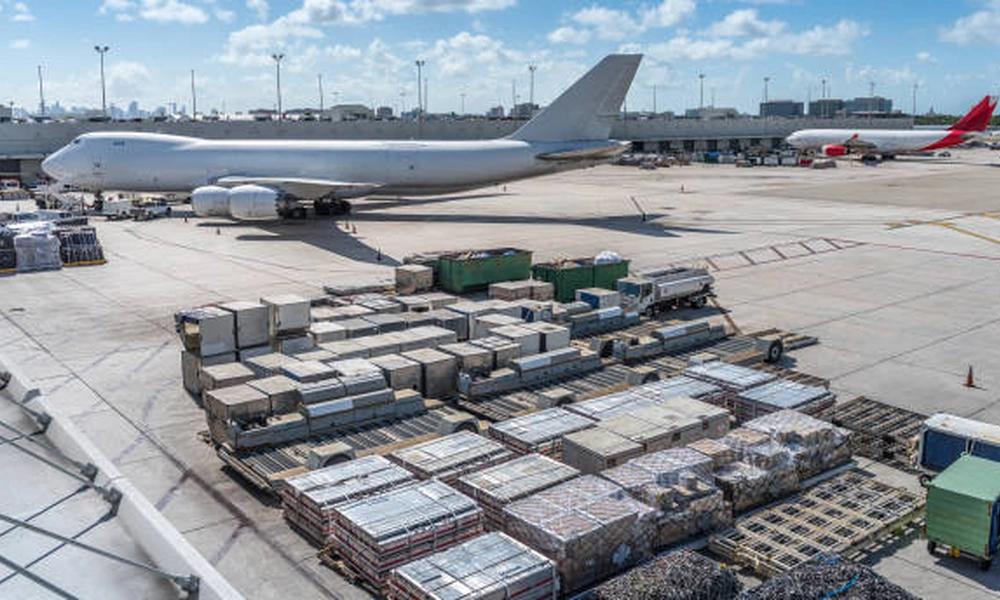
Master air cargo logistics and freight forwarding. Learn IATA regulations, documentation, and consolidation strategies. Intermediate.
 Hybrid5 days
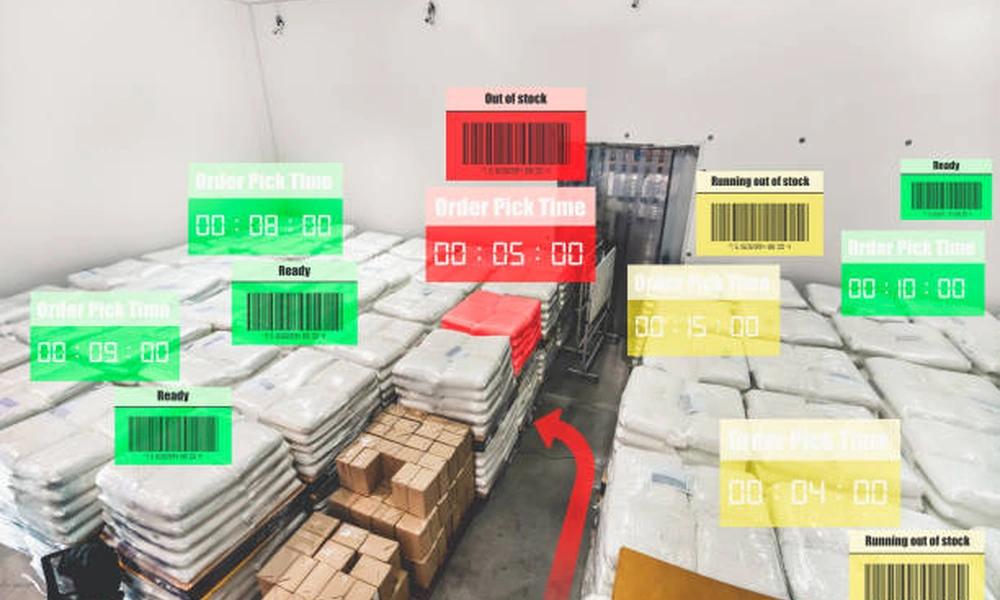
Master cold chain logistics. Learn temperature-controlled packaging, GDP compliance, and risk management for sensitive products.
 Hybrid5 days
Ensure compliant cross-border shipments. This course covers customs entry, valuation, and trade program utilization.
Course finder
Find the right course for you
Prefer to talk it through? Send us an enquiry and a facilitator will scope a fit within a business day.
For corporate teams
Training 10+ professionals?
We deliver Training on Advanced Warehouse Management Systems (WMS) and Automation in-house at your offices, at a venue we arrange, or fully virtual. Customise the curriculum against your KPIs, and get a bespoke price for the cohort size you need.