

Training on Customs Brokerage and Trade Documentation
Ensure compliant cross-border shipments. This course covers customs entry, valuation, and trade program utilization.
Next intake
20 Jul 2026 · Nakuru
Duration
5 days
Live instruction
Delivery
Physical + Virtual
Cohort based
Level
Intermediate
Working professionals
Certification
NITA reimbursable
For Kenyan cohorts
Language
English
All materials
About this programme
This intermediate course provides a comprehensive understanding of the customs brokerage profession and the critical trade documentation required for cross-border movement of goods. Participants will learn the intricacies of customs entry processes, tariff classification, valuation, and the role of the customs broker in facilitating compliant and efficient trade. The curriculum emphasizes practical documentation skills and the broker-importer relationship.
Who Should Attend:
-
Customs Brokers and Entry Writers
-
Import/Export Compliance Specialists
-
Trade Operations Coordinators
-
Logistics Managers handling cross-border shipments
What you'll walk away with
-
Prepare and review key customs documentation including entry summaries and invoices.
-
Navigate customs broker systems and understand the entry process.
-
Classify goods using the Harmonized System (HS) for import purposes.
-
Manage the relationship between importers and customs brokers for compliance.
What we cover, module by module
Module 1: The Role of the Customs Broker
-
Functions and responsibilities of a licensed customs broker.
-
Power of attorney and the broker-importer relationship.
-
Ethical obligations and liability considerations.
-
Case Study/Hands-on Exercise: Analyze a scenario where an importer received a penalty due to a broker error. Determine the allocation of responsibility and propose a process to prevent recurrence.
Module 2: Customs Entry Process and Documentation
-
Overview of entry types: consumption, warehouse, temporary importation, and in-bond.
-
Key documents: commercial invoice, packing list, bill of lading, and arrival notice.
-
The entry summary (CBP Form 7501) and its data elements.
-
Case Study/Hands-on Exercise: Complete a sample entry summary form using a provided commercial invoice and bill of lading, ensuring all required fields are accurately populated.
Module 3: Tariff Classification and Valuation
-
Principles of Harmonized System (HS) classification for importers.
-
Customs valuation: transaction value and acceptable adjustments.
-
Understanding ruling requests and binding rulings.
-
Case Study/Hands-on Exercise: Classify three imported products using the HS tariff schedule, applying General Interpretative Rules, and determine the correct duty rate for each.
Module 4: Trade Programs and Special Entry Procedures
-
Utilizing free trade agreements (FTAs) for duty preference.
-
Drawback: recovering duties on exported or destroyed goods.
-
Foreign Trade Zones (FTZs) and their entry procedures.
-
Case Study/Hands-on Exercise: Evaluate whether a shipment qualifies for preferential duty under USMCA, complete the required certification, and calculate the duty savings compared to non-preferential treatment.
Module 5: Broker Management and Compliance Auditing
-
Establishing key performance indicators (KPIs) for broker performance.
-
Conducting post-entry audits to verify compliance.
-
Managing broker communications and escalation procedures.
-
Case Study/Hands-on Exercise: Conduct a post-entry audit of 25 customs entries filed by a broker, identifying errors in classification, valuation, or origin, and develop a corrective action plan.
Where the change lands
Organizational Impacts:
-
Reduced customs clearance delays and associated demurrage charges.
-
Minimized risk of penalties and liquidated damages.
-
Improved accuracy of trade data for duty optimization and reporting.
Individual Impacts:
-
Proficiency in preparing and reviewing customs entry documentation.
-
Expertise in navigating customs broker systems and processes.
-
Skills to manage broker-importer relationships effectively.
Dates and locations
Upcoming intakes
Every intake is limited to a small cohort. Booking closes when a date fills or three weeks before the start, whichever comes first.
| City | Starts | Ends | Delivery | Book |
|---|---|---|---|---|
NakuruNext | 20 Jul 2026 | 24 Jul 2026 | In-Person | Book |
Kigali | 20 Jul 2026 | 24 Jul 2026 | In-Person | Book |
Accra | 20 Jul 2026 | 24 Jul 2026 | In-Person | Book |
Kisumu | 27 Jul 2026 | 31 Jul 2026 | In-Person | Book |
Johannesburg | 27 Jul 2026 | 31 Jul 2026 | In-Person | Book |
Dakar | 27 Jul 2026 | 31 Jul 2026 | In-Person | Book |
- NakuruNext
20 Jul → 24 Jul·In-Person
Book this intake - Kigali
20 Jul → 24 Jul·In-Person
Book this intake - Accra
20 Jul → 24 Jul·In-Person
Book this intake - Kisumu
27 Jul → 31 Jul·In-Person
Book this intake - Johannesburg
27 Jul → 31 Jul·In-Person
Book this intake - Dakar
27 Jul → 31 Jul·In-Person
Book this intake
Common questions.
Still not sure? Send us a note and a facilitator will get back to you within a business day.
You may also like.
Programmes in the same discipline that participants often pair with this course.
 Hybrid10 days
Elevate your distribution center. Learn to integrate WMS with robotics and AI for scalable, high-efficiency logistics.
 Hybrid5 days
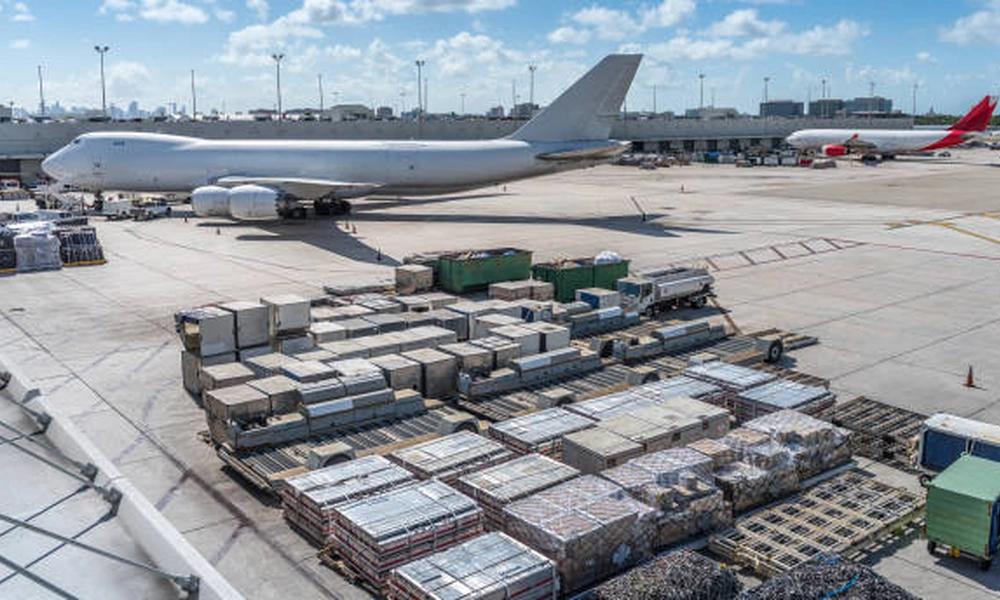
Master air cargo logistics and freight forwarding. Learn IATA regulations, documentation, and consolidation strategies. Intermediate.
 Hybrid5 days
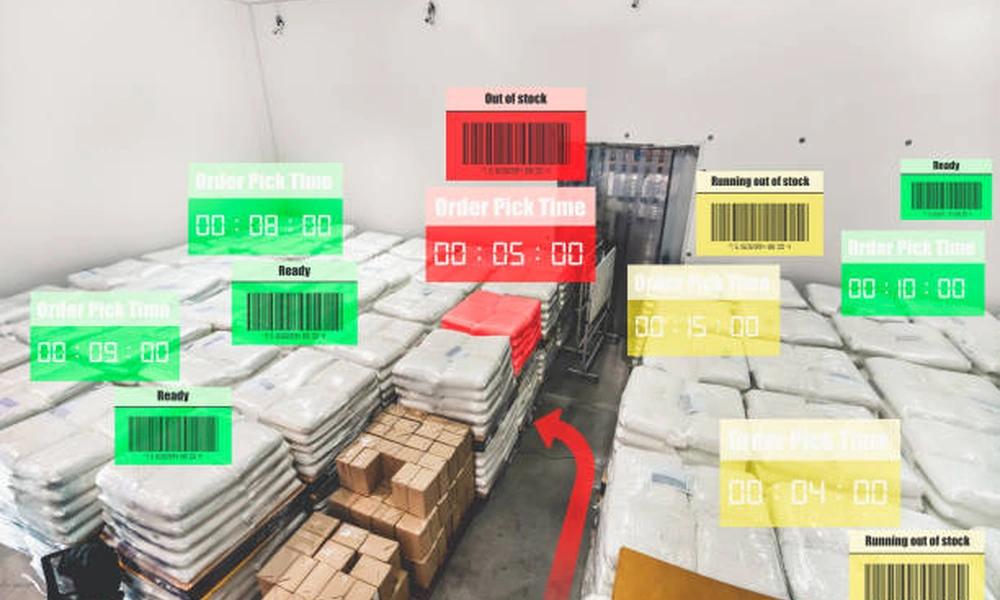
Master cold chain logistics. Learn temperature-controlled packaging, GDP compliance, and risk management for sensitive products.
Course finder
Find the right course for you
Prefer to talk it through? Send us an enquiry and a facilitator will scope a fit within a business day.
For corporate teams
Training 10+ professionals?
We deliver Training on Customs Brokerage and Trade Documentation in-house at your offices, at a venue we arrange, or fully virtual. Customise the curriculum against your KPIs, and get a bespoke price for the cohort size you need.