
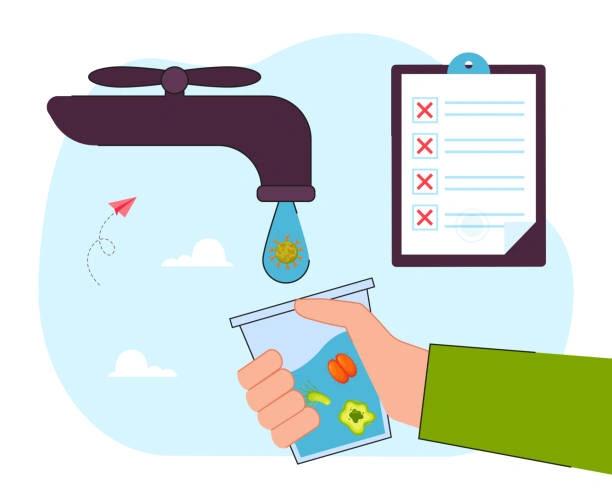
Training on Behavioral Science for Sustainable WASH Outcomes
Apply behavioral science to WASH programs. Learn psychology-driven hygiene promotion, nudge theory, and sustainable intervention design for lasting water and sanitation outcomes.
Next intake
20 Jul 2026 · Nakuru
Duration
5 days
Live instruction
Delivery
Physical + Virtual
Cohort based
Level
Intermediate
Working professionals
Certification
NITA reimbursable
For Kenyan cohorts
Language
English
All materials
About this programme
This course explores how behavioral science principles can be applied to improve the design, implementation, and impact of WASH (Water, Sanitation, and Hygiene) programs. Participants will learn to integrate behavioral insights into hygiene promotion, sanitation uptake, and sustainable water use. The training introduces proven strategies like “nudge theory WASH applications” and psychological frameworks to influence long-term WASH behavior change in diverse contexts.
Duration
5 Days
Who Should Attend
-
WASH program designers and implementers
-
Public health officers and hygiene promoters
-
Behavior change communication (BCC) specialists
-
NGO and humanitarian agency staff
-
Social scientists and development researchers
-
Local government officials in health and sanitation sectors
What you'll walk away with
By the end of the course, participants will be able to:
-
Understand the fundamentals of behavioral change WASH training
-
Apply behavioral theories to design effective WASH interventions
-
Use tools and techniques from behavioral economics to influence hygiene behaviors
-
Integrate nudge theory WASH applications in program strategies
-
Measure the impact of behaviorally-informed WASH initiatives
What we cover, module by module
Module 1: Foundations of Behavioral Science in WASH
- Introduction to behavioral change in WASH programming
- Behavioral determinants of hygiene and sanitation practices
- Key psychological drivers influencing WASH behaviors
- Role of social norms, culture, and context in behavior formation
- Case Study: Community sanitation behavior shifts in rural and urban settings
- Practical: Mapping behavioral barriers and drivers for a selected WASH practice
Module 2: Behavior Change Theories and Frameworks
- Application of COM-B and Health Belief Model in WASH
- Using the Fogg Behavior Model for hygiene and sanitation interventions
- Understanding barriers to sustained WASH behavior change
- Behavioral science applications in real WASH programming contexts
- Case Study: Successful hygiene promotion campaign using behavioral frameworks
- Practical: Applying a behavior change model to a WASH intervention scenario
Module 3: Designing Behaviorally-Informed WASH Interventions
- Principles of nudge theory in WASH programming
- Behavioral insights for water use, sanitation uptake, and hygiene compliance
- Use of cues, defaults, incentives, and social influence strategies
- Designing user-centered WASH communication tools and messages
- Case Study: Nudge-based interventions improving handwashing and toilet use
- Practical: Designing a behaviorally-informed WASH intervention prototype
Module 4: Implementation Strategies and Community Engagement
- Participatory approaches to behavior change programming
- Engaging community influencers, champions, and early adopters
- Co-creation and human-centered design of WASH interventions
- Monitoring behavioral drivers during implementation
- Case Study: Community-led hygiene behavior transformation initiative
- Practical: Developing a community engagement and behavior change rollout plan
Module 5: Evaluating and Sustaining Behavior Change
- Measuring behavior change outcomes in WASH programs
- Tracking psychological and behavioral adoption indicators
- Integrating behavioral science into sustainable WASH programming
- Lessons from successful long-term behavior change interventions
- Case Study: Sustained sanitation behavior change in post-intervention communities
- Practical: Designing a behavior change monitoring and evaluation framework
Where the change lands
Organizational Impact
-
Enhances sustainability and long-term impact of WASH programs through behavioral insights.
-
Optimizes resource allocation by focusing on interventions likely to be adopted by communities.
-
Strengthens credibility as a leader in evidence-based development programming.
Personal Impact
-
Builds in-demand skills for development and humanitarian careers.
-
Supports progression to senior program design, leadership, or advisory roles.
-
Empowers participants to lead and champion behaviorally-informed development initiatives.
Dates and locations
Upcoming intakes
Every intake is limited to a small cohort. Booking closes when a date fills or three weeks before the start, whichever comes first.
| City | Starts | Ends | Delivery | Book |
|---|---|---|---|---|
NakuruNext | 20 Jul 2026 | 24 Jul 2026 | In-Person | Book |
Kigali | 20 Jul 2026 | 24 Jul 2026 | In-Person | Book |
Accra | 20 Jul 2026 | 24 Jul 2026 | In-Person | Book |
Kisumu | 27 Jul 2026 | 31 Jul 2026 | In-Person | Book |
Johannesburg | 27 Jul 2026 | 31 Jul 2026 | In-Person | Book |
Dakar | 27 Jul 2026 | 31 Jul 2026 | In-Person | Book |
- NakuruNext
20 Jul → 24 Jul·In-Person
Book this intake - Kigali
20 Jul → 24 Jul·In-Person
Book this intake - Accra
20 Jul → 24 Jul·In-Person
Book this intake - Kisumu
27 Jul → 31 Jul·In-Person
Book this intake - Johannesburg
27 Jul → 31 Jul·In-Person
Book this intake - Dakar
27 Jul → 31 Jul·In-Person
Book this intake
Common questions.
Still not sure? Send us a note and a facilitator will get back to you within a business day.
You may also like.
Programmes in the same discipline that participants often pair with this course.
 Hybrid5 days
Learn how AI, satellite imagery, and remote sensing technologies support drought monitoring and water scarcity forecasting.
 Hybrid5 days
Build expertise in AI-driven water resource planning to strengthen water security, resilience, and climate adaptation.
 Hybrid5 days
Learn AI-powered groundwater and aquifer sustainability modeling using machine learning, GIS and geospatial analytics for water resource planning and management
Course finder
Find the right course for you
Prefer to talk it through? Send us an enquiry and a facilitator will scope a fit within a business day.
For corporate teams
Training 10+ professionals?
We deliver Training on Behavioral Science for Sustainable WASH Outcomes in-house at your offices, at a venue we arrange, or fully virtual. Customise the curriculum against your KPIs, and get a bespoke price for the cohort size you need.