
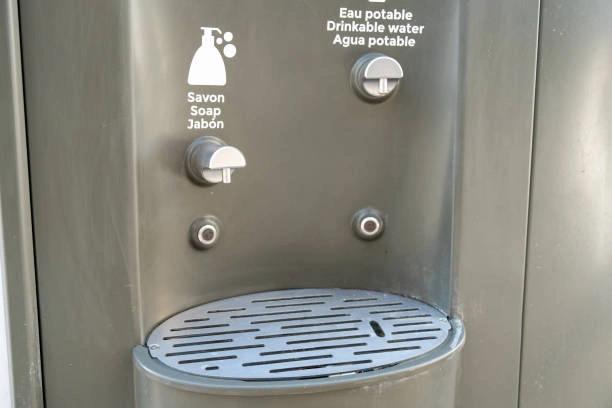
Training on Community Water, Sanitation, and Hygiene Promotion
Enhance your capacity to design and manage sustainable community WASH programs with practical tools for hygiene promotion and stakeholder engagement.
Next intake
20 Jul 2026 · Nakuru
Duration
5 days
Live instruction
Delivery
Physical + Virtual
Cohort based
Level
Foundation
Working professionals
Certification
NITA reimbursable
For Kenyan cohorts
Language
English
All materials
About this programme
Effective water, sanitation, and hygiene (WASH) practices are essential to public health, community resilience, and sustainable development. This course provides participants with practical and strategic insights into planning, implementing, and managing community-based WASH programs. It emphasizes participatory approaches, behavior change communication, and the integration of hygiene promotion with water and sanitation infrastructure.
Through real-world case studies, participants will explore how to strengthen community engagement, improve WASH governance, and ensure long-term sustainability of interventions in both rural and urban settings.
Duration
5 Days
Who Should Attend
-
WASH officers and program managers
-
Public health practitioners
-
NGO and humanitarian workers in water and sanitation projects
-
Environmental health and community development officers
-
Policy makers, planners, and engineers in the WASH sector
What you'll walk away with
By the end of this training, participants will be able to:
-
Design and implement community-centered WASH programs and campaigns.
-
Apply behavior change and social mobilization strategies to improve hygiene practices.
-
Assess and monitor WASH service delivery using participatory tools and indicators.
-
Integrate gender, inclusion, and environmental sustainability into WASH planning.
-
Strengthen coordination among stakeholders for effective WASH governance.
What we cover, module by module
Module 1: Foundations of Community WASH
-
Overview of water, sanitation, and hygiene concepts
-
Public health linkages and WASH’s role in disease prevention
-
International WASH policies and frameworks
-
Case Study: Reducing waterborne diseases through integrated hygiene programs
Module 2: Participatory WASH Planning and Community Engagement
-
Community-led total sanitation (CLTS) approach
-
Stakeholder mapping and engagement techniques
-
Behavior change communication strategies
-
Case Study: Community mobilization in rural sanitation campaigns
Module 3: Water Supply and Sanitation Systems Management
-
Water quality monitoring and treatment options
-
Operation and maintenance of rural and urban WASH systems
-
Low-cost and sustainable sanitation technologies
-
Case Study: Sustainable water supply systems in resource-limited communities
Module 4: Hygiene Promotion and Behavior Change
-
Developing hygiene education campaigns
-
Gender and inclusion in hygiene promotion
-
Tools for measuring hygiene behavior outcomes
-
Case Study:Promoting handwashing and hygiene in schools and households
Module 5: Monitoring, Evaluation, and Sustainability in WASH Programs
-
WASH indicators and data collection tools
-
Integrating M&E into WASH project cycles
-
Sustainability planning and community ownership
-
Case Study: Tracking hygiene behavior change through community scorecards
Where the change lands
Organizational Impact
-
Improved efficiency and sustainability of community WASH programs.
-
Enhanced stakeholder collaboration and program accountability.
-
Strengthened institutional capacity for WASH policy implementation.
Individual Impact
-
Increased competence in designing and managing community-based WASH projects.
-
Enhanced understanding of hygiene promotion and behavioral change strategies.
-
Greater ability to integrate gender and sustainability principles into WASH work.
Dates and locations
Upcoming intakes
Every intake is limited to a small cohort. Booking closes when a date fills or three weeks before the start, whichever comes first.
| City | Starts | Ends | Delivery | Book |
|---|---|---|---|---|
NakuruNext | 20 Jul 2026 | 24 Jul 2026 | In-Person | Book |
Kigali | 20 Jul 2026 | 24 Jul 2026 | In-Person | Book |
Accra | 20 Jul 2026 | 24 Jul 2026 | In-Person | Book |
Kisumu | 27 Jul 2026 | 31 Jul 2026 | In-Person | Book |
Johannesburg | 27 Jul 2026 | 31 Jul 2026 | In-Person | Book |
Dakar | 27 Jul 2026 | 31 Jul 2026 | In-Person | Book |
- NakuruNext
20 Jul → 24 Jul·In-Person
Book this intake - Kigali
20 Jul → 24 Jul·In-Person
Book this intake - Accra
20 Jul → 24 Jul·In-Person
Book this intake - Kisumu
27 Jul → 31 Jul·In-Person
Book this intake - Johannesburg
27 Jul → 31 Jul·In-Person
Book this intake - Dakar
27 Jul → 31 Jul·In-Person
Book this intake
Common questions.
Still not sure? Send us a note and a facilitator will get back to you within a business day.
You may also like.
Programmes in the same discipline that participants often pair with this course.
 Hybrid5 days
Learn how AI, satellite imagery, and remote sensing technologies support drought monitoring and water scarcity forecasting.
 Hybrid5 days
Build expertise in AI-driven water resource planning to strengthen water security, resilience, and climate adaptation.
 Hybrid5 days
Learn AI-powered groundwater and aquifer sustainability modeling using machine learning, GIS and geospatial analytics for water resource planning and management
Course finder
Find the right course for you
Prefer to talk it through? Send us an enquiry and a facilitator will scope a fit within a business day.
For corporate teams
Training 10+ professionals?
We deliver Training on Community Water, Sanitation, and Hygiene Promotion in-house at your offices, at a venue we arrange, or fully virtual. Customise the curriculum against your KPIs, and get a bespoke price for the cohort size you need.