
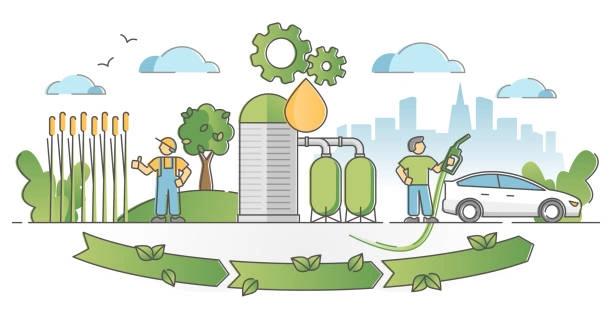
Training on Ecological Sanitation & Nutrient Recovery Systems
Master ecological sanitation and nutrient recovery systems. Learn to design UDDTs, recover resources safely, and implement EcoSan solutions for sustainable sanitation and agriculture.
Next intake
20 Jul 2026 · Nakuru
Duration
5 days
Live instruction
Delivery
Physical + Virtual
Cohort based
Level
Intermediate
Working professionals
Certification
NITA reimbursable
For Kenyan cohorts
Language
English
All materials
About this programme
This practical training course introduces participants to ecological sanitation (EcoSan) systems and the principles of nutrient recovery for sustainable agriculture and environmental protection. It explores low-cost, safe, and resource-efficient sanitation solutions that close the loop between sanitation and food production. Participants will examine urine-diverting dry toilets (UDDTs), composting systems, and innovations in resource recovery through lectures, case studies, and technical exercises.
Duration
5 Days
Who Should Attend
-
Sanitation engineers and planners
-
Environmental and agricultural officers
-
WASH program implementers
-
Development practitioners and NGOs
-
Local government and public health officials
-
Researchers and sustainability advocates
What you'll walk away with
By the end of the course, participants will be able to:
-
Understand the principles and benefits of ecological sanitation
-
Design and implement various EcoSan systems including UDDTs
-
Apply techniques for nutrient recovery and safe reuse
-
Assess the health and environmental impacts of EcoSan
-
Promote community uptake and behavior change for sustainable sanitation
What we cover, module by module
Module 1: Foundations of Ecological Sanitation
- Core principles, concepts, and objectives of ecological sanitation (EcoSan)
- Comparison between EcoSan and conventional sanitation systems
- Environmental, public health, and resource recovery benefits
- Global policies, standards, and enabling frameworks for EcoSan adoption
- Case Study: National EcoSan adoption programs in water-scarce regions
Module 2: EcoSan System Design and Operation
- Urine-diverting dry toilets (UDDTs): design, components, and usage
- Composting toilet systems: biological processes and system requirements
- Fecal dehydration, pathogen reduction, and safe handling processes
- Global case studies of successful EcoSan implementation
- Practical Exercise: Designing a basic EcoSan system for a rural household or institution
Module 3: Nutrient Recovery and Safe Reuse
- Resource recovery pathways from urine and fecal matter
- Treatment standards for urine reuse and composted fecal sludge
- Integration of EcoSan outputs into sustainable agriculture systems
- WHO guidelines and public health risk mitigation measures
- Case Study: Agricultural reuse of sanitized human waste in smallholder farming systems
Module 4: Community Acceptance and Scaling
- Socio-cultural perceptions and acceptance of EcoSan technologies
- Behavior change communication and hygiene promotion strategies
- Gender equality, inclusion, and user-centered design considerations
- Advocacy strategies and community engagement approaches
- Practical Exercise: Designing a community EcoSan adoption and sensitization plan
Module 5: Monitoring, Policy, and Sustainability
- Environmental and system performance monitoring frameworks
- Policy development and regulatory integration for EcoSan systems
- Economic analysis: EcoSan vs conventional sanitation solutions
- Operation, maintenance, and private sector participation models
- Final Project: Develop a scalable EcoSan implementation strategy for a target community or district
Where the change lands
Organizational Impact
-
Enhances sustainability and long-term impact of WASH and agricultural programs through nutrient recovery and circular economy practices.
-
Optimizes resource allocation by reducing reliance on chemical fertilizers and external inputs.
-
Strengthens reputation as a leader in innovative and sustainable environmental programming.
Personal Impact
-
Builds in-demand skills for careers in development and environmental sectors.
-
Supports progression into senior program design, leadership, or advisory roles.
-
Equips participants to lead and champion sustainable sanitation and resource management initiatives.
Dates and locations
Upcoming intakes
Every intake is limited to a small cohort. Booking closes when a date fills or three weeks before the start, whichever comes first.
| City | Starts | Ends | Delivery | Book |
|---|---|---|---|---|
NakuruNext | 20 Jul 2026 | 24 Jul 2026 | In-Person | Book |
Kigali | 20 Jul 2026 | 24 Jul 2026 | In-Person | Book |
Accra | 20 Jul 2026 | 24 Jul 2026 | In-Person | Book |
Kisumu | 27 Jul 2026 | 31 Jul 2026 | In-Person | Book |
Johannesburg | 27 Jul 2026 | 31 Jul 2026 | In-Person | Book |
Dakar | 27 Jul 2026 | 31 Jul 2026 | In-Person | Book |
- NakuruNext
20 Jul → 24 Jul·In-Person
Book this intake - Kigali
20 Jul → 24 Jul·In-Person
Book this intake - Accra
20 Jul → 24 Jul·In-Person
Book this intake - Kisumu
27 Jul → 31 Jul·In-Person
Book this intake - Johannesburg
27 Jul → 31 Jul·In-Person
Book this intake - Dakar
27 Jul → 31 Jul·In-Person
Book this intake
Common questions.
Still not sure? Send us a note and a facilitator will get back to you within a business day.
You may also like.
Programmes in the same discipline that participants often pair with this course.
 Hybrid5 days
Learn how AI, satellite imagery, and remote sensing technologies support drought monitoring and water scarcity forecasting.
 Hybrid5 days
Build expertise in AI-driven water resource planning to strengthen water security, resilience, and climate adaptation.
 Hybrid5 days
Learn AI-powered groundwater and aquifer sustainability modeling using machine learning, GIS and geospatial analytics for water resource planning and management
Course finder
Find the right course for you
Prefer to talk it through? Send us an enquiry and a facilitator will scope a fit within a business day.
For corporate teams
Training 10+ professionals?
We deliver Training on Ecological Sanitation & Nutrient Recovery Systems in-house at your offices, at a venue we arrange, or fully virtual. Customise the curriculum against your KPIs, and get a bespoke price for the cohort size you need.