
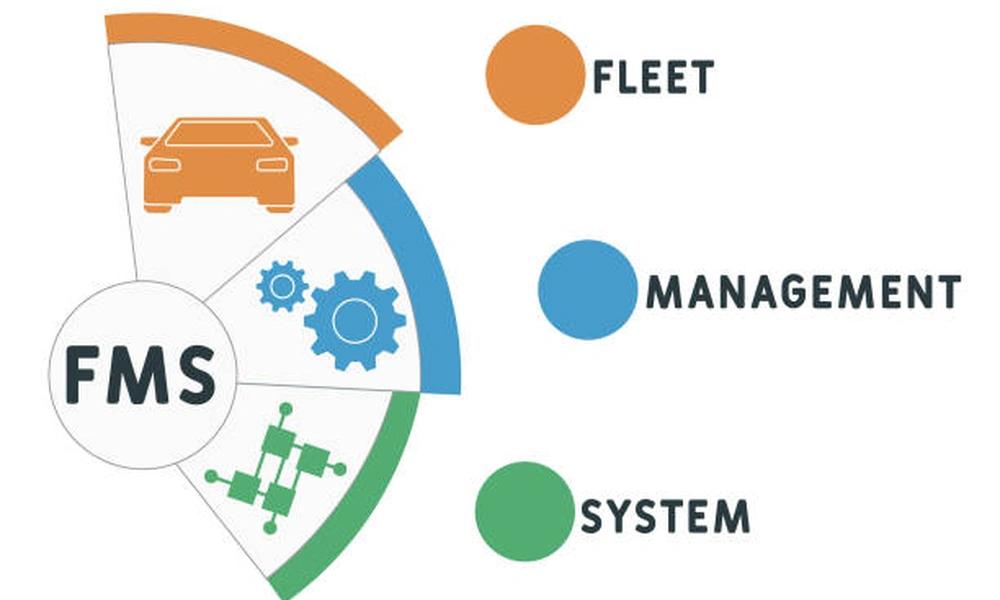
Training on Fleet Optimization and Telematics Integration
Master fleet optimization with telematics. Learn predictive maintenance, route planning, and data-driven management. Intermediate level.
Next intake
20 Jul 2026 · Nakuru
Duration
5 days
Live instruction
Delivery
Physical + Virtual
Cohort based
Level
Intermediate
Working professionals
Certification
NITA reimbursable
For Kenyan cohorts
Language
English
All materials
About this programme
This course provides a comprehensive understanding of modern fleet management, focusing on the integration of telematics systems to optimize vehicle performance, reduce operational costs, and enhance driver safety. Participants will learn how to leverage real-time data for predictive maintenance, route planning, and fuel efficiency, moving from reactive to proactive fleet management strategies.
Duration
5 days
Who Should Attend:
- Fleet Managers
- Logistics Coordinators
- Transportation Supervisors
- Operations Managers
What you'll walk away with
- Analyze telematics data to identify cost-saving opportunities.
- Implement a predictive maintenance schedule based on vehicle data.
- Optimize route planning using real-time traffic and vehicle information.
- Develop strategies to improve driver safety and reduce fuel consumption.
What we cover, module by module
Module 1: Foundations of Fleet Management and Telematics
- Introduction to key performance indicators (KPIs) in fleet operations.
- Overview of telematics hardware: GPS, engine control unit (ECU) connections, and sensors.
- Data collection methodologies and data integrity.
- Case Study/Hands-on Exercise: Analyze a sample telematics data set to identify the top three underperforming vehicles based on fuel consumption.
Module 2: Data Analytics for Performance Management
- Interpreting driver behavior reports: speeding, harsh braking, and idling.
- Calculating total cost of ownership (TCO) per vehicle.
- Benchmarking fleet performance against industry standards.
- Case Study/Hands-on Exercise: Create a driver scorecard for a team of 10 drivers using provided telematics data and recommend a coaching plan for the lowest-scoring driver.
Module 3: Predictive Maintenance and Asset Lifecycle
- Transitioning from reactive to predictive maintenance schedules.
- Using telematics to forecast component failures (tires, brakes, engines).
- Optimizing vehicle replacement cycles based on data.
- Case Study/Hands-on Exercise: Develop a predictive maintenance plan for a fleet of 50 trucks, prioritizing vehicles flagged with high engine idle hours and fault codes.
Module 4: Route Optimization and Dynamic Scheduling
- Leveraging real-time traffic, weather, and road conditions for route planning.
- Integrating telematics with Transportation Management Systems (TMS).
- Strategies for dynamic rerouting to meet service level agreements (SLAs).
- Case Study/Hands-on Exercise: Re-route a delivery fleet of 15 vehicles after a major highway closure, minimizing delays and fuel costs using a simulation tool.
Module 5: Implementation Strategy and Change Management
- Developing a business case for telematics investment.
- Managing organizational change and driver acceptance.
- Ensuring data security and compliance with privacy regulations.
- Case Study/Hands-on Exercise: Create a rollout plan for a new telematics system, including a communication strategy to address driver concerns and a timeline for phased implementation.
Where the change lands
Organizational Impacts:
- Reduction in overall fleet operating costs by up to 20%.
- Improved vehicle uptime and asset utilization.
- Enhanced compliance with safety and environmental regulations.
Individual Impacts:
- Increased proficiency in data-driven decision-making.
- Enhanced skills in using telematics software and interpreting analytics.
- Improved ability to manage driver behavior and safety protocols.
Dates and locations
Upcoming intakes
Every intake is limited to a small cohort. Booking closes when a date fills or three weeks before the start, whichever comes first.
| City | Starts | Ends | Delivery | Book |
|---|---|---|---|---|
NakuruNext | 20 Jul 2026 | 24 Jul 2026 | In-Person | Book |
Kigali | 20 Jul 2026 | 24 Jul 2026 | In-Person | Book |
Accra | 20 Jul 2026 | 24 Jul 2026 | In-Person | Book |
Kisumu | 27 Jul 2026 | 31 Jul 2026 | In-Person | Book |
Johannesburg | 27 Jul 2026 | 31 Jul 2026 | In-Person | Book |
Dakar | 27 Jul 2026 | 31 Jul 2026 | In-Person | Book |
- NakuruNext
20 Jul → 24 Jul·In-Person
Book this intake - Kigali
20 Jul → 24 Jul·In-Person
Book this intake - Accra
20 Jul → 24 Jul·In-Person
Book this intake - Kisumu
27 Jul → 31 Jul·In-Person
Book this intake - Johannesburg
27 Jul → 31 Jul·In-Person
Book this intake - Dakar
27 Jul → 31 Jul·In-Person
Book this intake
Common questions.
Still not sure? Send us a note and a facilitator will get back to you within a business day.
You may also like.
Programmes in the same discipline that participants often pair with this course.
 Hybrid10 days
Elevate your distribution center. Learn to integrate WMS with robotics and AI for scalable, high-efficiency logistics.
 Hybrid5 days
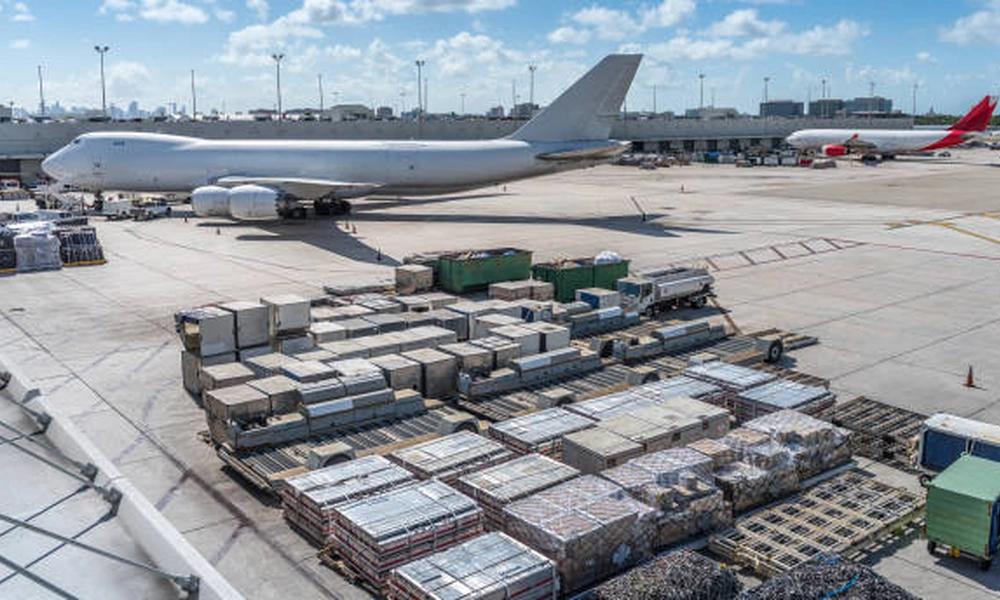
Master air cargo logistics and freight forwarding. Learn IATA regulations, documentation, and consolidation strategies. Intermediate.
 Hybrid5 days
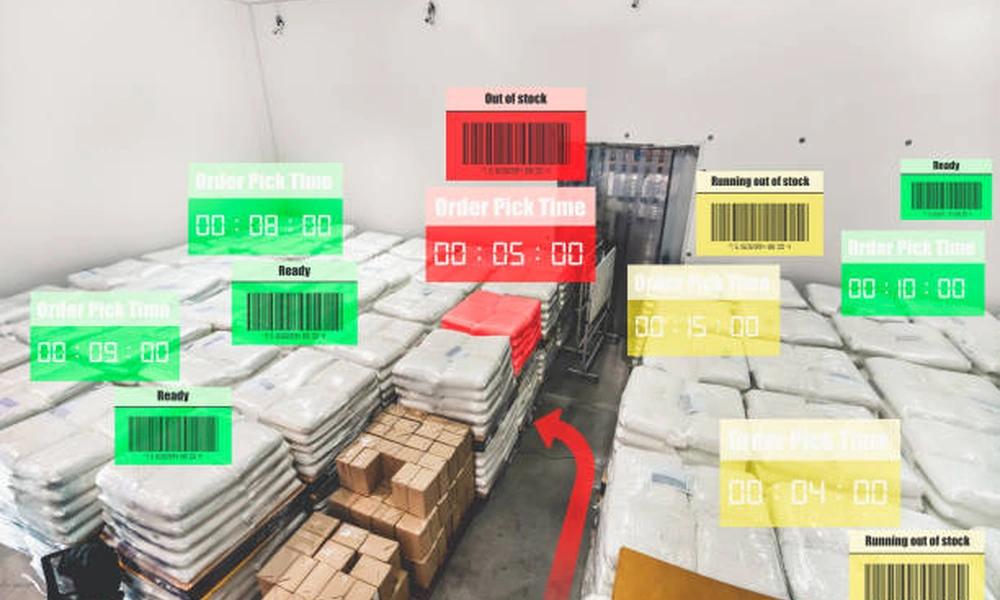
Master cold chain logistics. Learn temperature-controlled packaging, GDP compliance, and risk management for sensitive products.
Course finder
Find the right course for you
Prefer to talk it through? Send us an enquiry and a facilitator will scope a fit within a business day.
For corporate teams
Training 10+ professionals?
We deliver Training on Fleet Optimization and Telematics Integration in-house at your offices, at a venue we arrange, or fully virtual. Customise the curriculum against your KPIs, and get a bespoke price for the cohort size you need.