
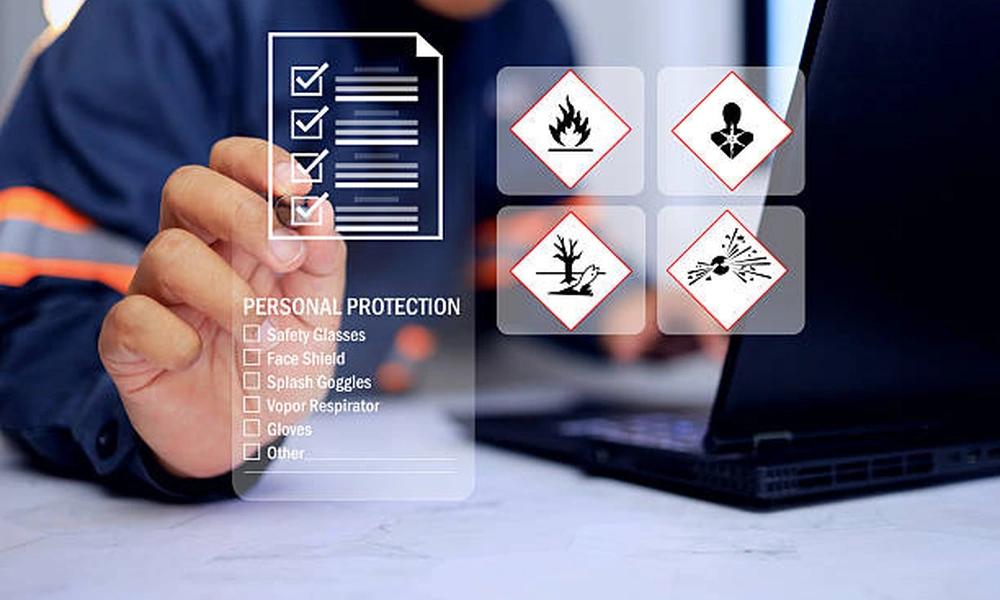
Training on Hazardous Materials Transportation and Compliance
Ensure hazmat compliance across all modes. This course covers classification, packaging, documentation, and building a compliance program.
Next intake
20 Jul 2026 · Nakuru
Duration
10 days
Live instruction
Delivery
Physical + Virtual
Cohort based
Level
Advanced
Working professionals
Certification
NITA reimbursable
For Kenyan cohorts
Language
English
All materials
About this programme
This advanced course provides comprehensive training on the safe and compliant transportation of hazardous materials (hazmat) and dangerous goods. Participants will master the complex regulatory landscape across multiple modes (air, ocean, road, rail), including IATA, IMDG, and 49 CFR. The focus is on classification, packaging, labeling, documentation, emergency response, and building a robust hazmat compliance program.
Who Should Attend:
-
Hazmat Compliance Managers
-
Dangerous Goods Safety Advisors (DGSAs)
-
Logistics and Transportation Managers handling hazardous materials
-
Quality and Safety Professionals
What you'll walk away with
-
Classify hazardous materials correctly using UN numbers and packing groups.
-
Apply packaging, labeling, and marking requirements across all transport modes.
-
Complete and verify dangerous goods declarations and shipping papers.
-
Develop and audit a comprehensive hazmat compliance program.
What we cover, module by module
Module 1: The Regulatory Framework for Hazmat Transportation
-
Overview of regulatory bodies: DOT (49 CFR), IATA (air), IMDG (ocean), ADR (road Europe).
-
Understanding modal differences and applicability.
-
Shipper, carrier, and consignee responsibilities.
-
Case Study/Hands-on Exercise: Analyze a hazmat shipment that resulted in a major incident, identifying regulatory violations and the resulting penalties and operational impacts.
Module 2: Hazard Classification and Identification
-
The nine hazard classes: definitions and examples.
-
Determining UN numbers, proper shipping names, and packing groups.
-
Subsidiary risks and special provisions.
-
Case Study/Hands-on Exercise: Classify a set of 10 substances and articles (e.g., lithium batteries, paint, aerosols, infectious substances) by hazard class, UN number, and packing group using regulatory references.
Module 3: Packaging and Performance Standards
-
Authorized packaging types: drums, IBCs, jerricans, and combination packaging.
-
UN performance packaging: testing, marking, and certification.
-
Limited quantities and excepted quantities.
-
Case Study/Hands-on Exercise: Select the appropriate UN-certified packaging for a given hazardous material, verifying compatibility and reviewing the UN marking to confirm suitability.
Module 4: Labeling, Marking, and Placarding
-
Hazard communication: hazard labels, handling labels, and marks.
-
Marking requirements: UN number, proper shipping name, and orientation arrows.
-
Placarding of transport units and containers.
-
Case Study/Hands-on Exercise: Review a fully prepared hazmat shipment and identify labeling, marking, and placarding errors, correcting them to achieve compliance.
Module 5: Documentation and Dangerous Goods Declarations
-
The shipper's declaration for dangerous goods (IATA and IMDG).
-
Required fields, certifications, and emergency response information.
-
Consistency between documents, packaging, and cargo.
-
Case Study/Hands-on Exercise: Complete a shipper's declaration for dangerous goods for a multi-modal shipment (air and ocean), ensuring all fields are accurate and consistent with packaging and labeling.
Module 6: Modal Specifics: Air (IATA DGR)
-
Special provisions for air transport: passenger vs. cargo aircraft.
-
State and operator variations.
-
Lithium battery regulations in depth.
-
Case Study/Hands-on Exercise: Determine the transportability of a lithium-ion battery shipment by air, applying IATA packing instructions 965-970 and identifying any restrictions.
Module 7: Modal Specifics: Ocean (IMDG Code)
-
The IMDG Code structure and application.
-
Segregation and stowage requirements on vessels.
-
Emergency schedules (EmS) and medical first aid (MFAG).
-
Case Study/Hands-on Exercise: Develop a stowage and segregation plan for a container containing multiple classes of dangerous goods, ensuring compatibility and compliance with IMDG requirements.
Module 8: Modal Specifics: Ground (49 CFR and ADR)
-
49 CFR requirements for hazmat transportation by road and rail in the US.
-
Security plans and training requirements.
-
ADR regulations for European road transport.
-
Case Study/Hands-on Exercise: Review a 49 CFR-compliant shipping paper for a road shipment, verify all required elements, and identify any errors.
Module 9: Hazmat Security, Incident Response, and Training
-
Security plans and enhanced security for high-risk materials.
-
Emergency response: procedures, spill containment, and reporting.
-
Training requirements: general awareness, function-specific, safety, and security.
-
Case Study/Hands-on Exercise: Simulate a hazmat incident response: a leaking drum in a warehouse. Develop an immediate response plan, including containment, notification, and documentation.
Module 10: Building a Hazmat Compliance Program
-
Developing a hazmat compliance manual and policies.
-
Conducting internal audits and self-disclosures.
-
Managing carriers and third-party logistics providers handling hazmat.
-
Case Study/Hands-on Exercise: Design a hazmat compliance program for a mid-sized chemical distributor, including roles and responsibilities, training matrix, audit schedule, and carrier qualification process.
Where the change lands
Organizational Impacts:
-
Mitigation of fines, penalties, and reputational damage.
-
Enhanced safety performance and incident reduction.
-
Streamlined customs clearance and reduced shipment delays.
Individual Impacts:
-
Mastery of hazmat classification and identification across regulatory frameworks.
-
Expertise in packaging, labeling, and documentation requirements.
-
Skills to develop and audit a hazmat compliance program.
Dates and locations
Upcoming intakes
Every intake is limited to a small cohort. Booking closes when a date fills or three weeks before the start, whichever comes first.
| City | Starts | Ends | Delivery | Book |
|---|---|---|---|---|
NakuruNext | 20 Jul 2026 | 31 Jul 2026 | In-Person | Book |
Kigali | 20 Jul 2026 | 31 Jul 2026 | In-Person | Book |
Accra | 20 Jul 2026 | 31 Jul 2026 | In-Person | Book |
Kisumu | 27 Jul 2026 | 07 Aug 2026 | In-Person | Book |
Johannesburg | 27 Jul 2026 | 07 Aug 2026 | In-Person | Book |
Dakar | 27 Jul 2026 | 07 Aug 2026 | In-Person | Book |
- NakuruNext
20 Jul → 31 Jul·In-Person
Book this intake - Kigali
20 Jul → 31 Jul·In-Person
Book this intake - Accra
20 Jul → 31 Jul·In-Person
Book this intake - Kisumu
27 Jul → 07 Aug·In-Person
Book this intake - Johannesburg
27 Jul → 07 Aug·In-Person
Book this intake - Dakar
27 Jul → 07 Aug·In-Person
Book this intake
Common questions.
Still not sure? Send us a note and a facilitator will get back to you within a business day.
You may also like.
Programmes in the same discipline that participants often pair with this course.
 Hybrid10 days
Elevate your distribution center. Learn to integrate WMS with robotics and AI for scalable, high-efficiency logistics.
 Hybrid5 days
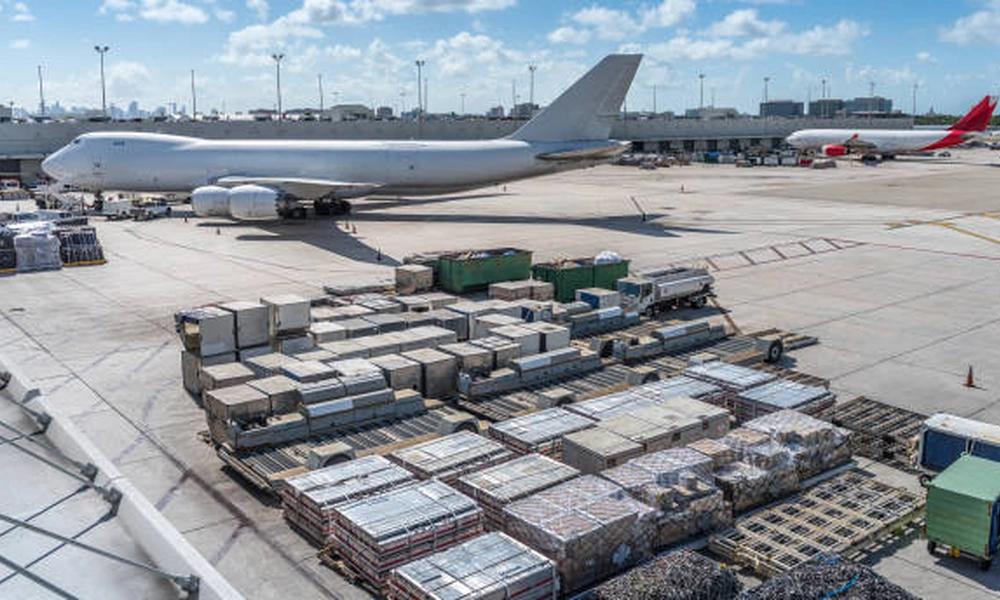
Master air cargo logistics and freight forwarding. Learn IATA regulations, documentation, and consolidation strategies. Intermediate.
 Hybrid5 days
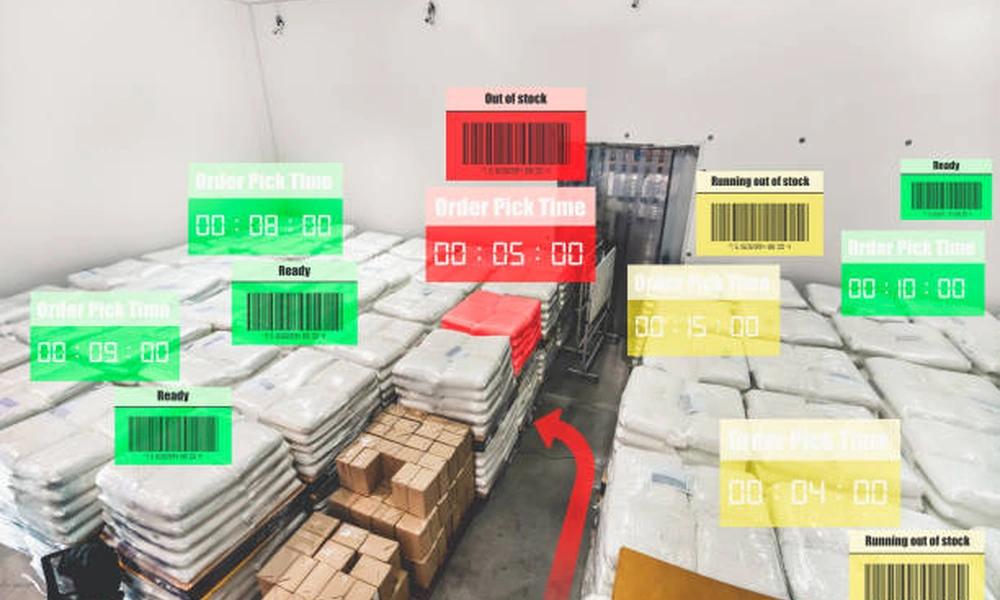
Master cold chain logistics. Learn temperature-controlled packaging, GDP compliance, and risk management for sensitive products.
Course finder
Find the right course for you
Prefer to talk it through? Send us an enquiry and a facilitator will scope a fit within a business day.
For corporate teams
Training 10+ professionals?
We deliver Training on Hazardous Materials Transportation and Compliance in-house at your offices, at a venue we arrange, or fully virtual. Customise the curriculum against your KPIs, and get a bespoke price for the cohort size you need.