

Training on Humanitarian Advocacy and Communications
Influence policy and protect civilians through advocacy. This course covers evidence-based messaging, media engagement, and UN advocacy.
Next intake
20 Jul 2026 · Nakuru
Duration
10 days
Live instruction
Delivery
Physical + Virtual
Cohort based
Level
Advanced
Working professionals
Certification
NITA reimbursable
For Kenyan cohorts
Language
English
All materials
About this programme
This advanced course provides specialized training on humanitarian advocacy and communications. Participants will learn to develop advocacy strategies, craft evidence-based messages, engage with decision-makers (governments, UN, donors, armed groups), and communicate with media and public audiences while respecting humanitarian principles.
Who Should Attend:
-
Humanitarian Advocacy Officers and Managers
-
Communications and Media Specialists in NGOs
-
Policy and External Relations Staff
-
Country Directors and Senior Program Managers
What you'll walk away with
-
Develop and implement humanitarian advocacy strategies.
-
Craft evidence-based messages for different audiences and channels.
-
Engage with governments, UN, donors, armed groups, and media.
-
Advocate for humanitarian access, funding, and respect for IHL.
What we cover, module by module
Module 1: Foundations of Humanitarian Advocacy
-
Defining humanitarian advocacy: influencing decision-makers to protect civilians and enable assistance.
-
Advocacy vs. public communications vs. diplomacy.
-
Principles: impartial, evidence-based, and aligned with humanitarian principles.
-
Case Study/Hands-on Exercise: Analyze a successful humanitarian advocacy campaign, identifying the strategy, messages, targets, and outcomes.
Module 2: Advocacy Strategy Development
-
Setting advocacy objectives: specific, measurable, achievable, relevant, and time-bound.
-
Stakeholder mapping: decision-makers, influencers, allies, and opponents.
-
Power analysis and influence pathways.
-
Case Study/Hands-on Exercise: Develop an advocacy strategy for improving humanitarian access in a conflict-affected area, including objectives, targets, and tactics.
Module 3: Evidence-Based Messaging
-
Using evidence from assessments, monitoring, and protection monitoring.
-
Crafting clear, compelling, and actionable messages.
-
Tailoring messages for different audiences: governments, UN, donors, armed groups, and public.
-
Case Study/Hands-on Exercise: Develop three versions of an advocacy message on the same issue, tailored for a government minister, a UN agency head, and the general public.
Module 4: Engaging with Governments and Donors
-
Advocacy with donor governments: funding, policy, and diplomatic support.
-
Engaging with host governments on access and protection.
-
Working with donor representatives and parliamentary groups.
-
Case Study/Hands-on Exercise: Prepare a briefing for a meeting with a donor government representative to advocate for increased funding for a neglected humanitarian crisis.
Module 5: Engaging with the United Nations
-
The UN humanitarian architecture: OCHA, UNHCR, UNICEF, WFP, and IASC.
-
Advocacy for Security Council resolutions, humanitarian resolutions, and peacekeeping mandates.
-
Engaging with UN leadership and humanitarian coordinators.
-
Case Study/Hands-on Exercise: Draft an advocacy note to the Humanitarian Coordinator on a specific protection concern in a humanitarian response.
Module 6: Engaging with Armed Groups and Non-State Actors
-
Advocacy with non-state armed groups for access and IHL compliance.
-
Developing a humanitarian engagement framework.
-
Managing risks and perception of engagement.
-
Case Study/Hands-on Exercise: Develop an engagement and messaging strategy for an armed group controlling territory where humanitarian needs are acute.
Module 7: Media and Public Communications
-
Media engagement: press releases, press briefings, op-eds, and interviews.
-
Social media for humanitarian advocacy: opportunities and risks.
-
Communicating with affected communities as part of advocacy.
-
Case Study/Hands-on Exercise: Draft a press release on a humanitarian issue, including key messages, quotes, and media distribution strategy.
Module 8: Digital and Data-Driven Advocacy
-
Using data visualization, maps, and infographics for advocacy.
-
Digital campaigns and online mobilization.
-
Ethical considerations: data privacy, security, and consent.
-
Case Study/Hands-on Exercise: Create a data visualization (e.g., map, chart) to support an advocacy message on a humanitarian issue.
Module 9: Coordination and Joint Advocacy
-
Advocacy coordination across NGOs, UN, and Red Cross/Red Crescent movement.
-
Joint advocacy products: statements, reports, and campaigns.
-
Balancing individual agency messaging with collective positions.
-
Case Study/Hands-on Exercise: Simulate an advocacy coordination meeting to develop a joint statement on a humanitarian crisis, negotiating language and messaging.
Module 10: Monitoring, Evaluation, and Learning in Advocacy
-
Defining advocacy success: outcomes, influence, and policy change.
-
Monitoring advocacy activities and tracking progress.
-
Learning from failures and adapting strategies.
-
Case Study/Hands-on Exercise: Develop an advocacy monitoring and evaluation framework for a campaign, including indicators for outputs, outcomes, and impact.
Where the change lands
Organizational Impacts:
-
Increased influence on policy and access for humanitarian action.
-
Enhanced public awareness and donor support for humanitarian crises.
-
Improved coordination of advocacy across the humanitarian community.
Individual Impacts:
-
Mastery of advocacy strategy development and stakeholder mapping.
-
Expertise in message development, media engagement, and digital advocacy.
-
Skills to advocate for access, funding, and compliance with IHL.
Dates and locations
Upcoming intakes
Every intake is limited to a small cohort. Booking closes when a date fills or three weeks before the start, whichever comes first.
| City | Starts | Ends | Delivery | Book |
|---|---|---|---|---|
NakuruNext | 20 Jul 2026 | 31 Jul 2026 | In-Person | Book |
Kigali | 20 Jul 2026 | 31 Jul 2026 | In-Person | Book |
Accra | 20 Jul 2026 | 31 Jul 2026 | In-Person | Book |
Kisumu | 27 Jul 2026 | 07 Aug 2026 | In-Person | Book |
Johannesburg | 27 Jul 2026 | 07 Aug 2026 | In-Person | Book |
Dakar | 27 Jul 2026 | 07 Aug 2026 | In-Person | Book |
- NakuruNext
20 Jul → 31 Jul·In-Person
Book this intake - Kigali
20 Jul → 31 Jul·In-Person
Book this intake - Accra
20 Jul → 31 Jul·In-Person
Book this intake - Kisumu
27 Jul → 07 Aug·In-Person
Book this intake - Johannesburg
27 Jul → 07 Aug·In-Person
Book this intake - Dakar
27 Jul → 07 Aug·In-Person
Book this intake
Common questions.
Still not sure? Send us a note and a facilitator will get back to you within a business day.
You may also like.
Programmes in the same discipline that participants often pair with this course.
 Hybrid5 days
Manage displacement sites effectively. This intermediate course covers site planning, community participation, and camp closure.
 Hybrid5 days
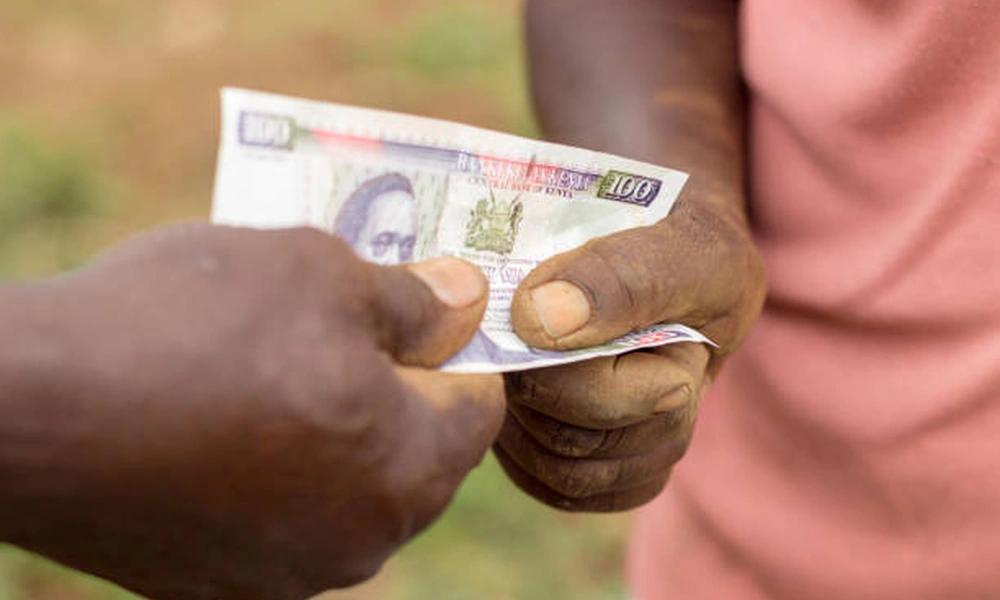
Master Cash and Voucher Assistance (CVA) in humanitarian action. Learn modality selection, market assessment, and delivery mechanisms.
 Hybrid10 days
Protect children in emergencies, displacement, and armed conflict. This course covers CPMS, child-friendly spaces, and reintegration.
Course finder
Find the right course for you
Prefer to talk it through? Send us an enquiry and a facilitator will scope a fit within a business day.
For corporate teams
Training 10+ professionals?
We deliver Training on Humanitarian Advocacy and Communications in-house at your offices, at a venue we arrange, or fully virtual. Customise the curriculum against your KPIs, and get a bespoke price for the cohort size you need.