
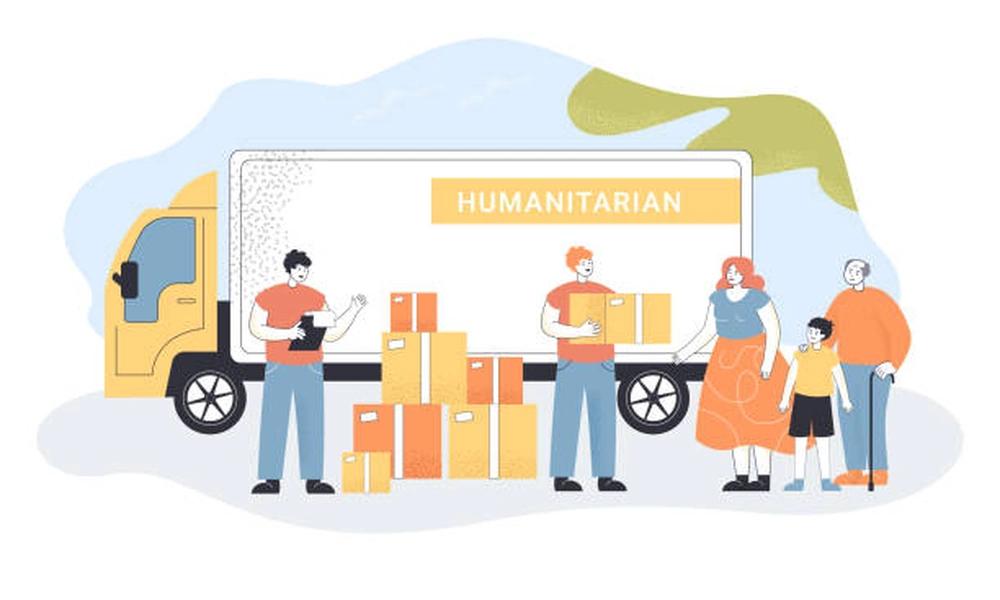
Training on Humanitarian Supply Chain and Procurement Ethics
Advanced training on humanitarian supply chain ethics. Master anti-fraud controls, ethical procurement, and corruption risk management.
Next intake
20 Jul 2026 · Nakuru
Duration
10 days
Live instruction
Delivery
Physical + Virtual
Cohort based
Level
Advanced
Working professionals
Certification
NITA reimbursable
For Kenyan cohorts
Language
English
All materials
About this programme
This advanced course focuses on the ethical dimensions of humanitarian supply chain management and procurement. Participants will learn to navigate corruption risks, ensure transparency and accountability, manage conflicts of interest, and implement anti-fraud measures while maintaining the speed required for emergency response.
Who Should Attend:
-
Humanitarian Logistics and Procurement Managers
-
Compliance and Ethics Officers in NGOs
-
Supply Chain Auditors and Investigators
-
Senior Program and Operations Managers
What you'll walk away with
-
Identify and mitigate corruption risks in humanitarian supply chains.
-
Implement ethical procurement practices and transparency measures.
-
Manage conflicts of interest and ensure due diligence on suppliers.
-
Lead investigations and implement anti-fraud controls.
What we cover, module by module
Module 1: Ethics in Humanitarian Supply Chains
-
Why ethics matter: diversion, corruption, and reputational risk.
-
Key ethical principles: transparency, accountability, fairness, and integrity.
-
Legal and regulatory frameworks: anti-corruption laws (FCPA, UK Bribery Act), donor requirements, and organizational codes.
-
Case Study/Hands-on Exercise: Analyze a real-world case of humanitarian supply chain fraud, identifying the root causes and control failures.
Module 2: Corruption Risks in Humanitarian Procurement
-
Types of corruption: bribery, kickbacks, bid rigging, and embezzlement.
-
High-risk areas: procurement, warehousing, transport, and distribution.
-
Red flags and indicators of corruption.
-
Case Study/Hands-on Exercise: Review a sample procurement file and identify red flags that could indicate corruption or irregularity.
Module 3: Ethical Procurement Processes
-
Competitive bidding: thresholds, methods, and documentation.
-
Sole sourcing and emergency procurement exceptions.
-
Transparent evaluation criteria and bid opening procedures.
-
Case Study/Hands-on Exercise: Develop an ethical procurement plan for an emergency response, balancing speed with transparency and competition requirements.
Module 4: Supplier Due Diligence and Vetting
-
Supplier pre-qualification and due diligence processes.
-
Background checks, references, and site visits.
-
Managing conflicts of interest in supplier selection.
-
Case Study/Hands-on Exercise: Conduct supplier due diligence on a potential vendor, including financial checks, reference verification, and conflict-of-interest declarations.
Module 5: Anti-Fraud Controls in Supply Chains
-
Preventive controls: segregation of duties, authorization limits, and system controls.
-
Detective controls: audits, spot checks, and whistleblower mechanisms.
-
Corrective controls: investigations, sanctions, and recovery.
-
Case Study/Hands-on Exercise: Design an anti-fraud control framework for a humanitarian logistics operation, including preventive, detective, and corrective measures.
Module 6: Transparency and Documentation
-
Maintaining audit-ready procurement and supply chain documentation.
-
Transparency measures: publication of tenders, awards, and contracts.
-
Beneficiary transparency: distribution lists, receipts, and verification.
-
Case Study/Hands-on Exercise: Review a sample procurement file and identify documentation gaps that would pose challenges during an audit.
Module 7: Whistleblower Mechanisms and Reporting
-
Designing safe and accessible whistleblower mechanisms.
-
Protection for whistleblowers and handling complaints confidentially.
-
Mandatory reporting obligations to donors and authorities.
-
Case Study/Hands-on Exercise: Design a whistleblower policy for a humanitarian organization, including reporting channels, confidentiality protections, and anti-retaliation measures.
Module 8: Investigations of Misconduct
-
Investigation principles: independence, confidentiality, and objectivity.
-
Steps: complaint receipt, scoping, evidence collection, interviews, and reporting.
-
Working with donors, law enforcement, and legal counsel.
-
Case Study/Hands-on Exercise: Simulate an investigation into an allegation of procurement fraud, including evidence collection, witness interviews, and report writing.
Module 9: Ethics in Distribution and Beneficiary Engagement
-
Risks at the last mile: diversion, exclusion, and favoritism.
-
Distribution monitoring and post-distribution verification.
-
Beneficiary feedback mechanisms and fraud reporting.
-
Case Study/Hands-on Exercise: Develop an ethical distribution plan for food aid, including measures to prevent diversion and ensure fair access.
Module 10: Building an Ethical Culture in Humanitarian Organizations
-
Leadership commitment and tone from the top.
-
Training and awareness for supply chain staff.
-
Ethics as a performance and accountability metric.
-
Case Study/Hands-on Exercise: Develop an ethics training curriculum for procurement and logistics staff, including case studies, scenario discussions, and practical tools.
Where the change lands
Organizational Impacts:
-
Reduced fraud, corruption, and diversion of humanitarian assets.
-
Enhanced donor confidence and compliance with anti-corruption requirements.
-
Improved reputation and trust among beneficiaries and stakeholders.
Individual Impacts:
-
Mastery of ethical procurement principles and anti-corruption frameworks.
-
Expertise in risk assessment, due diligence, and fraud detection.
-
Skills to lead investigations and implement ethical supply chain controls.
Dates and locations
Upcoming intakes
Every intake is limited to a small cohort. Booking closes when a date fills or three weeks before the start, whichever comes first.
| City | Starts | Ends | Delivery | Book |
|---|---|---|---|---|
NakuruNext | 20 Jul 2026 | 31 Jul 2026 | In-Person | Book |
Kigali | 20 Jul 2026 | 31 Jul 2026 | In-Person | Book |
Accra | 20 Jul 2026 | 31 Jul 2026 | In-Person | Book |
Kisumu | 27 Jul 2026 | 07 Aug 2026 | In-Person | Book |
Johannesburg | 27 Jul 2026 | 07 Aug 2026 | In-Person | Book |
Dakar | 27 Jul 2026 | 07 Aug 2026 | In-Person | Book |
- NakuruNext
20 Jul → 31 Jul·In-Person
Book this intake - Kigali
20 Jul → 31 Jul·In-Person
Book this intake - Accra
20 Jul → 31 Jul·In-Person
Book this intake - Kisumu
27 Jul → 07 Aug·In-Person
Book this intake - Johannesburg
27 Jul → 07 Aug·In-Person
Book this intake - Dakar
27 Jul → 07 Aug·In-Person
Book this intake
Common questions.
Still not sure? Send us a note and a facilitator will get back to you within a business day.
You may also like.
Programmes in the same discipline that participants often pair with this course.
 Hybrid5 days
Manage displacement sites effectively. This intermediate course covers site planning, community participation, and camp closure.
 Hybrid5 days
Master Cash and Voucher Assistance (CVA) in humanitarian action. Learn modality selection, market assessment, and delivery mechanisms.
 Hybrid10 days
Protect children in emergencies, displacement, and armed conflict. This course covers CPMS, child-friendly spaces, and reintegration.
Course finder
Find the right course for you
Prefer to talk it through? Send us an enquiry and a facilitator will scope a fit within a business day.
For corporate teams
Training 10+ professionals?
We deliver Training on Humanitarian Supply Chain and Procurement Ethics in-house at your offices, at a venue we arrange, or fully virtual. Customise the curriculum against your KPIs, and get a bespoke price for the cohort size you need.