
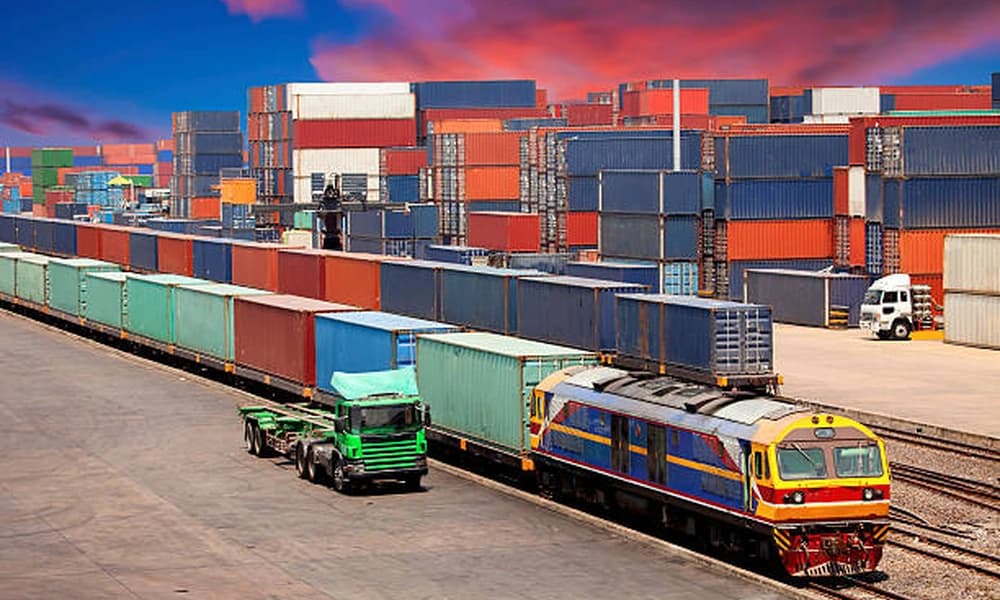
Training on Intermodal Transportation and Containerization
Optimize mode selection across rail, truck, and ocean. This course covers intermodal equipment, lane analysis, and performance metrics.
Next intake
20 Jul 2026 · Nakuru
Duration
5 days
Live instruction
Delivery
Physical + Virtual
Cohort based
Level
Intermediate
Working professionals
Certification
NITA reimbursable
For Kenyan cohorts
Language
English
All materials
About this programme
This intermediate course explores the strategic use of intermodal transportationand moving freight by multiple modes (rail, truck, ocean, barge) in a single journey without handling the cargo itself. Participants will learn the principles of containerization, equipment selection, drayage operations, and network design to achieve cost efficiency, sustainability, and capacity flexibility.
Who Should Attend:
-
Transportation Managers
-
Logistics Planners
-
Supply Chain Network Designers
-
Intermodal Operations Coordinators
What you'll walk away with
-
Design intermodal transportation networks for optimal cost and service.
-
Select appropriate container and equipment types for different cargo.
-
Manage drayage operations and intermodal terminal interfaces.
-
Analyze cost-service trade-offs between intermodal and over-the-road (OTR) options.
What we cover, module by module
Module 1: Fundamentals of Intermodal Transportation
-
Definition and evolution of intermodal freight transport.
-
Key stakeholders: intermodal marketing companies (IMCs), railroads, drayage carriers, and ocean carriers.
-
The role of containerization in global trade.
-
Case Study/Hands-on Exercise: Analyze the intermodal network for a transcontinental shipment, mapping the handoffs between drayage, rail, and final delivery, and identifying potential points of delay.
Module 2: Intermodal Equipment and Containerization
-
Types of containers: dry vans, reefers, flat racks, open tops, and tank containers.
-
Chassis management: pools, availability, and imbalances.
-
Intermodal trailer types: domestic containers vs. international ISO containers.
-
Case Study/Hands-on Exercise: Select the appropriate container type for a portfolio of shipments, including perishable goods, heavy machinery, and hazardous materials, justifying each selection.
Module 3: Intermodal Network Design and Lane Analysis
-
Identifying lanes suitable for intermodal vs. over-the-road (OTR).
-
Factors influencing mode choice: distance, transit time, cost, and reliability.
-
Rail ramps, terminals, and service networks.
-
Case Study/Hands-on Exercise: For a portfolio of 20 lanes, conduct a cost-service analysis to determine which lanes are candidates for conversion from OTR to intermodal, considering distance, transit time requirements, and cost differentials.
Module 4: Drayage Operations and Terminal Interface
-
The critical role of drayage: first-mile and last-mile in intermodal.
-
Managing drayage capacity, appointment systems, and driver detention.
-
Intermodal terminal operations: lift fees, storage, and cut-off times.
-
Case Study/Hands-on Exercise: Develop a drayage plan for a high-volume intermodal lane, including strategies to manage chassis availability, driver scheduling, and terminal appointment windows.
Module 5: Performance Management and Sustainability in Intermodal
-
Key intermodal KPIs: transit time, dwell time, and cost per mile.
-
Measuring the sustainability benefits of intermodal (carbon footprint reduction).
-
Technology in intermodal: visibility platforms, terminal operating systems, and predictive analytics.
-
Case Study/Hands-on Exercise: Create an intermodal carrier scorecard measuring on-time performance, equipment availability, and claims ratio, and use it to evaluate carrier performance over a quarter.
Where the change lands
Organizational Impacts:
-
Reduced transportation costs through mode optimization.
-
Increased capacity flexibility and supply chain resilience.
-
Lower carbon footprint through modal shift to rail or barge.
Individual Impacts:
-
Expertise in intermodal equipment types and their applications.
-
Proficiency in planning and executing intermodal shipments.
-
Skills to manage drayage and terminal interfaces effectively.
Dates and locations
Upcoming intakes
Every intake is limited to a small cohort. Booking closes when a date fills or three weeks before the start, whichever comes first.
| City | Starts | Ends | Delivery | Book |
|---|---|---|---|---|
NakuruNext | 20 Jul 2026 | 24 Jul 2026 | In-Person | Book |
Kigali | 20 Jul 2026 | 24 Jul 2026 | In-Person | Book |
Accra | 20 Jul 2026 | 24 Jul 2026 | In-Person | Book |
Kisumu | 27 Jul 2026 | 31 Jul 2026 | In-Person | Book |
Johannesburg | 27 Jul 2026 | 31 Jul 2026 | In-Person | Book |
Dakar | 27 Jul 2026 | 31 Jul 2026 | In-Person | Book |
- NakuruNext
20 Jul → 24 Jul·In-Person
Book this intake - Kigali
20 Jul → 24 Jul·In-Person
Book this intake - Accra
20 Jul → 24 Jul·In-Person
Book this intake - Kisumu
27 Jul → 31 Jul·In-Person
Book this intake - Johannesburg
27 Jul → 31 Jul·In-Person
Book this intake - Dakar
27 Jul → 31 Jul·In-Person
Book this intake
Common questions.
Still not sure? Send us a note and a facilitator will get back to you within a business day.
You may also like.
Programmes in the same discipline that participants often pair with this course.
 Hybrid10 days
Elevate your distribution center. Learn to integrate WMS with robotics and AI for scalable, high-efficiency logistics.
 Hybrid5 days
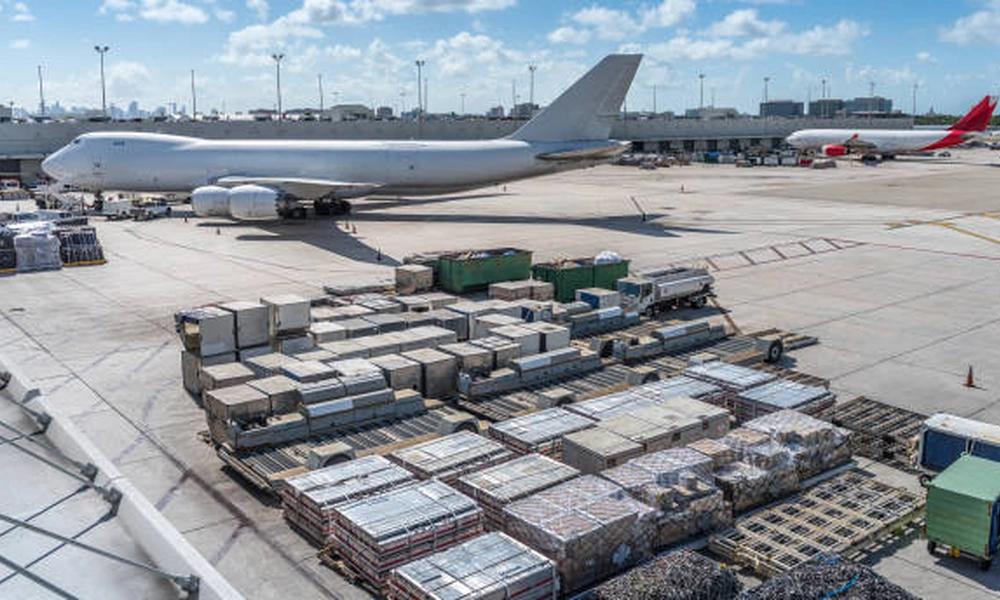
Master air cargo logistics and freight forwarding. Learn IATA regulations, documentation, and consolidation strategies. Intermediate.
 Hybrid5 days
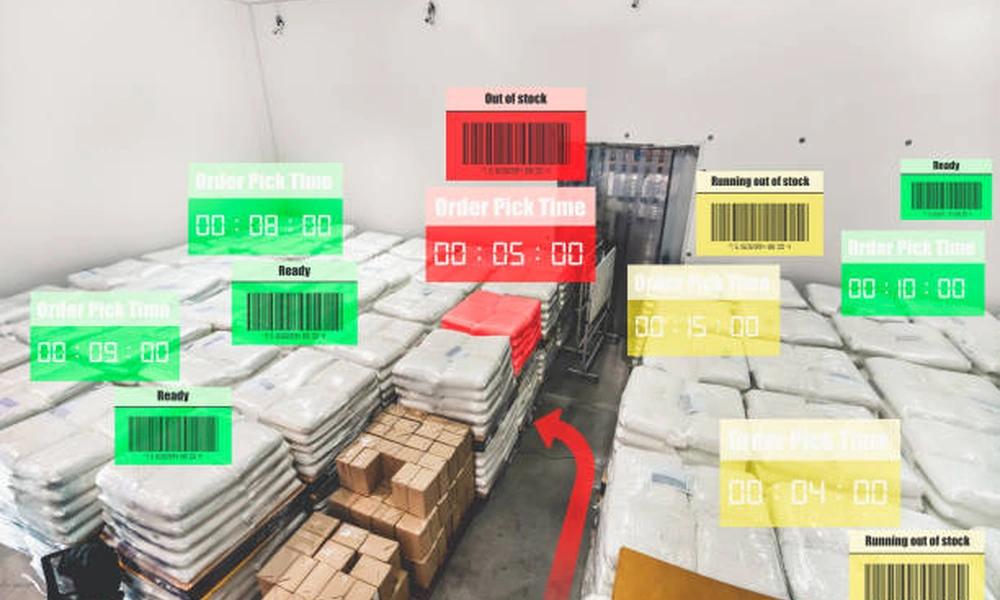
Master cold chain logistics. Learn temperature-controlled packaging, GDP compliance, and risk management for sensitive products.
Course finder
Find the right course for you
Prefer to talk it through? Send us an enquiry and a facilitator will scope a fit within a business day.
For corporate teams
Training 10+ professionals?
We deliver Training on Intermodal Transportation and Containerization in-house at your offices, at a venue we arrange, or fully virtual. Customise the curriculum against your KPIs, and get a bespoke price for the cohort size you need.