

Training on Inventory Management and Optimization Techniques
Optimize working capital and service levels. This intermediate course covers forecasting, cycle counting, and inventory policies.
Next intake
20 Jul 2026 · Nakuru
Duration
5 days
Live instruction
Delivery
Physical + Virtual
Cohort based
Level
Intermediate
Working professionals
Certification
NITA reimbursable
For Kenyan cohorts
Language
English
All materials
About this programme
This intermediate course focuses on the core principles and advanced techniques of inventory management. Participants will learn how to balance customer service levels with working capital investment. The curriculum covers demand forecasting, safety stock calculation, inventory segmentation, and strategies for reducing excess and obsolete (E&O) stock across complex, multi-echelon supply chains.
Who Should Attend:
-
Inventory Managers
-
Supply Chain Planners
-
Materials Managers
-
Operations and Finance Professionals
What you'll walk away with
-
Apply inventory segmentation strategies (ABC, FMR, XYZ) to prioritize management efforts.
-
Calculate optimal safety stock and reorder points using statistical methods.
-
Implement cycle counting programs to improve inventory accuracy.
-
Develop strategies to reduce excess, slow-moving, and obsolete inventory.
What we cover, module by module
Module 1: Fundamentals of Inventory Management
-
The strategic role of inventory: balancing service, cost, and risk.
-
Types of inventory: raw materials, WIP, finished goods, MRO.
-
Key metrics: inventory turnover, days of inventory outstanding (DIO), fill rate.
-
Case Study/Hands-on Exercise: Calculate inventory turnover and DIO for a company using financial statement data and compare it to industry benchmarks to identify a potential issue.
Module 2: Inventory Segmentation and Policy Setting
-
ABC analysis based on annual consumption value.
-
XYZ analysis based on demand variability.
-
Combining ABC and XYZ (e.g., AX, CY) to define inventory policies.
-
Case Study/Hands-on Exercise: Perform an ABC-XYZ analysis on a portfolio of 100 SKUs, and develop differentiated inventory policies (service level, review frequency) for each segment.
Module 3: Demand Forecasting and Safety Stock
-
Qualitative and quantitative forecasting methods.
-
Calculating safety stock to cover demand and lead time variability.
-
Setting service level targets based on business strategy and segment.
-
Case Study/Hands-on Exercise: Calculate the optimal safety stock and reorder point for a high-volume SKU (AX) and a slow-moving SKU (CZ) given different lead time and demand variability data.
Module 4: Inventory Control Systems and Cycle Counting
-
Fixed-order quantity vs. fixed-time period models.
-
The perpetual inventory system and the role of cycle counting.
-
Designing and implementing a cycle counting program (e.g., ABC-based counting).
-
Case Study/Hands-on Exercise: Design a cycle counting schedule for a warehouse with 10,000 SKUs, using ABC classes to determine counting frequency and resource requirements.
Module 5: Managing Excess, Obsolete, and Slow-Moving Inventory
-
Root causes of E&O: forecasting errors, product lifecycles, MOQs.
-
Strategies for prevention: improved S&OP, supplier collaboration.
-
Strategies for disposition: liquidation, rework, donation, and write-off.
-
Case Study/Hands-on Exercise: Analyze a report of slow-moving inventory, identify SKUs with no demand for 12 months, and develop a detailed disposition plan for each, including financial and operational considerations.
Where the change lands
Organizational Impacts:
-
Improved cash flow through optimized inventory levels.
-
Increased inventory turns and reduced carrying costs.
-
Enhanced service levels and order fill rates.
Individual Impacts:
-
Mastery of inventory planning models and calculations.
-
Proficiency in using segmentation strategies (ABC/XYZ).
-
Skills to identify and eliminate root causes of excess and obsolete inventory.
Dates and locations
Upcoming intakes
Every intake is limited to a small cohort. Booking closes when a date fills or three weeks before the start, whichever comes first.
| City | Starts | Ends | Delivery | Book |
|---|---|---|---|---|
NakuruNext | 20 Jul 2026 | 24 Jul 2026 | In-Person | Book |
Kigali | 20 Jul 2026 | 24 Jul 2026 | In-Person | Book |
Accra | 20 Jul 2026 | 24 Jul 2026 | In-Person | Book |
Kisumu | 27 Jul 2026 | 31 Jul 2026 | In-Person | Book |
Johannesburg | 27 Jul 2026 | 31 Jul 2026 | In-Person | Book |
Dakar | 27 Jul 2026 | 31 Jul 2026 | In-Person | Book |
- NakuruNext
20 Jul → 24 Jul·In-Person
Book this intake - Kigali
20 Jul → 24 Jul·In-Person
Book this intake - Accra
20 Jul → 24 Jul·In-Person
Book this intake - Kisumu
27 Jul → 31 Jul·In-Person
Book this intake - Johannesburg
27 Jul → 31 Jul·In-Person
Book this intake - Dakar
27 Jul → 31 Jul·In-Person
Book this intake
Common questions.
Still not sure? Send us a note and a facilitator will get back to you within a business day.
You may also like.
Programmes in the same discipline that participants often pair with this course.
 Hybrid10 days
Elevate your distribution center. Learn to integrate WMS with robotics and AI for scalable, high-efficiency logistics.
 Hybrid5 days
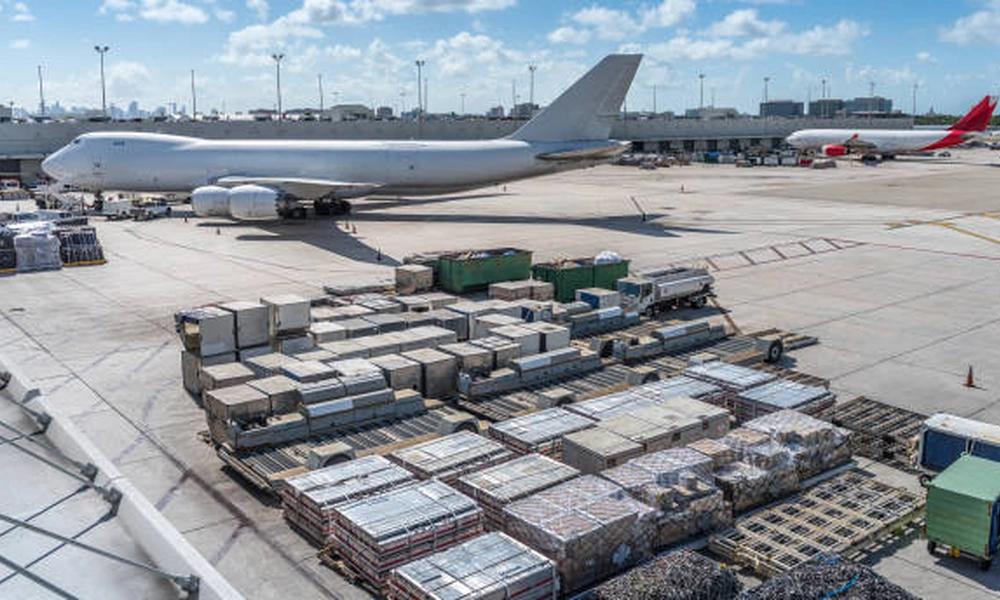
Master air cargo logistics and freight forwarding. Learn IATA regulations, documentation, and consolidation strategies. Intermediate.
 Hybrid5 days
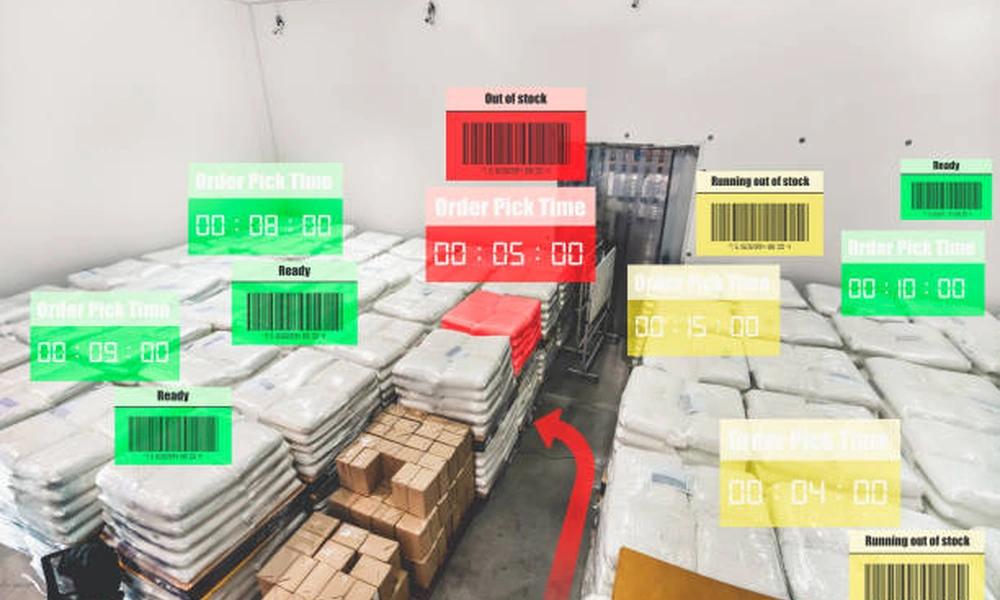
Master cold chain logistics. Learn temperature-controlled packaging, GDP compliance, and risk management for sensitive products.
Course finder
Find the right course for you
Prefer to talk it through? Send us an enquiry and a facilitator will scope a fit within a business day.
For corporate teams
Training 10+ professionals?
We deliver Training on Inventory Management and Optimization Techniques in-house at your offices, at a venue we arrange, or fully virtual. Customise the curriculum against your KPIs, and get a bespoke price for the cohort size you need.