
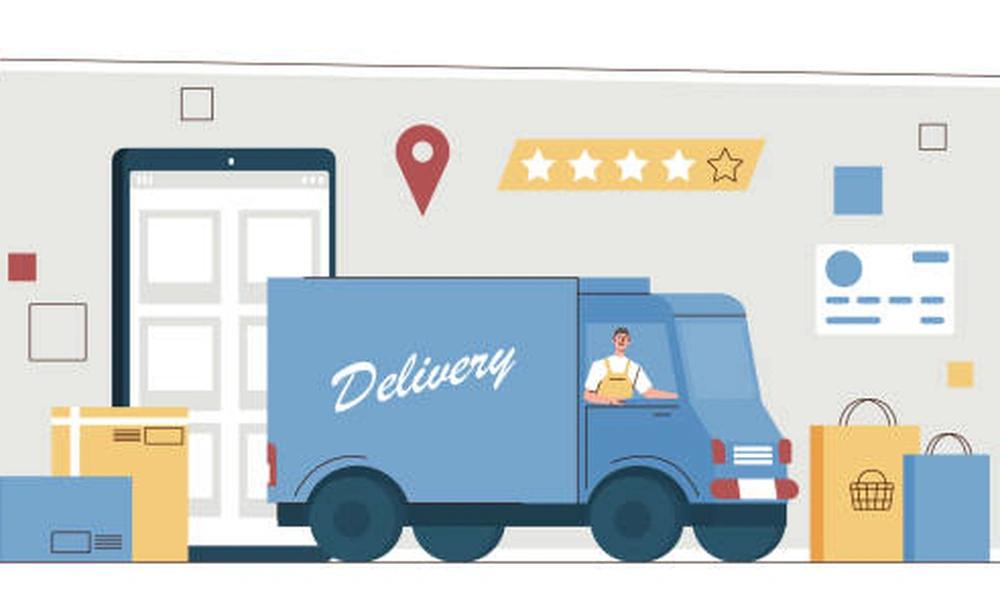
Training on Last-Mile Delivery Optimization and Customer Experience
Reduce costs and delight customers. This course covers last-mile strategies, from dynamic routing to alternative delivery points.
Next intake
20 Jul 2026 · Nakuru
Duration
5 days
Live instruction
Delivery
Physical + Virtual
Cohort based
Level
Intermediate
Working professionals
Certification
NITA reimbursable
For Kenyan cohorts
Language
English
All materials
About this programme
This course focuses on the most critical and costly segment of the supply chain: the last mile. Participants will explore strategies to optimize delivery operations, reduce costs, and enhance the end-customer experience. The curriculum covers route optimization, delivery models (e.g., crowdsourcing, lockers), technology enablement, and the growing importance of delivery as a key brand differentiator.
Who Should Attend:
-
Last-Mile Delivery Managers
-
E-commerce Logistics Managers
-
Distribution Center Managers
-
Customer Experience (CX) Professionals in Logistics
What you'll walk away with
-
Design a last-mile delivery strategy aligned with customer expectations.
-
Optimize route planning and dynamic scheduling for delivery fleets.
-
Evaluate and implement alternative delivery models (e.g., lockers, PUDO points).
-
Use technology to provide real-time visibility and proactive communication.
What we cover, module by module
Module 1: The Strategic Importance of Last-Mile Delivery
-
Understanding the cost-service paradox in last-mile operations.
-
Customer expectations: speed, visibility, flexibility, and convenience.
-
The impact of delivery experience on brand loyalty and repeat purchases.
-
Case Study/Hands-on Exercise: Analyze the delivery offerings of three leading e-commerce competitors, benchmarking their delivery speeds, communication methods, and returns processes.
Module 2: Last-Mile Network Design and Routing
-
Types of delivery models: in-house fleet, 3PLs, crowdsourced, and hybrid.
-
Principles of route optimization: territory planning, time windows, and density.
-
Dynamic routing and real-time adjustments for traffic and order changes.
-
Case Study/Hands-on Exercise: Using a routing simulation tool, optimize a delivery route for 40 stops with specific time windows, balancing driver hours, fuel cost, and on-time performance.
Module 3: Technology and Visibility Platforms
-
Delivery management software (DMS) and its role in orchestration.
-
Providing real-time tracking and proactive notifications to customers.
-
Proof of delivery (POD) technologies: electronic signatures, photos, and barcode scanning.
-
Case Study/Hands-on Exercise: Design a customer communication flow for a delivery, including SMS/email notifications for order dispatch, driver on-route, and delivery confirmation, incorporating options for customer rescheduling.
Module 4: Alternative Delivery Models and Urban Logistics
-
Evaluating parcel lockers, pickup/drop-off (PUDO) points, and in-store pickup.
-
Strategies for urban delivery: micro-fulfillment centers, cargo bikes, and electric vehicles.
-
Managing returns and reverse logistics efficiently.
-
Case Study/Hands-on Exercise: Develop a business case for installing a network of parcel lockers in a major metropolitan area, estimating capital costs, operational savings, and potential increase in customer adoption.
Module 5: Performance Management and Continuous Improvement
-
Key last-mile KPIs: cost-per-stop, on-time delivery, first-attempt success rate.
-
Using customer feedback (CSAT, NPS) to drive operational changes.
-
Managing driver performance, safety, and retention.
-
Case Study/Hands-on Exercise: Analyze a last-mile performance dashboard showing high delivery failure rates in a specific zone. Identify root causes (e.g., driver turnover, traffic patterns, ambiguous addresses) and propose a corrective action plan.
Where the change lands
Organizational Impacts:
-
Increased customer satisfaction and retention.
-
Reduced cost-per-delivery through operational efficiency.
-
Enhanced brand loyalty through positive delivery experiences.
Individual Impacts:
-
Proficiency in designing and managing last-mile networks.
-
Expertise in selecting and managing last-mile service providers.
-
Skills to leverage delivery data for customer experience improvements.
Dates and locations
Upcoming intakes
Every intake is limited to a small cohort. Booking closes when a date fills or three weeks before the start, whichever comes first.
| City | Starts | Ends | Delivery | Book |
|---|---|---|---|---|
NakuruNext | 20 Jul 2026 | 24 Jul 2026 | In-Person | Book |
Kigali | 20 Jul 2026 | 24 Jul 2026 | In-Person | Book |
Accra | 20 Jul 2026 | 24 Jul 2026 | In-Person | Book |
Kisumu | 27 Jul 2026 | 31 Jul 2026 | In-Person | Book |
Johannesburg | 27 Jul 2026 | 31 Jul 2026 | In-Person | Book |
Dakar | 27 Jul 2026 | 31 Jul 2026 | In-Person | Book |
- NakuruNext
20 Jul → 24 Jul·In-Person
Book this intake - Kigali
20 Jul → 24 Jul·In-Person
Book this intake - Accra
20 Jul → 24 Jul·In-Person
Book this intake - Kisumu
27 Jul → 31 Jul·In-Person
Book this intake - Johannesburg
27 Jul → 31 Jul·In-Person
Book this intake - Dakar
27 Jul → 31 Jul·In-Person
Book this intake
Common questions.
Still not sure? Send us a note and a facilitator will get back to you within a business day.
You may also like.
Programmes in the same discipline that participants often pair with this course.
 Hybrid10 days
Elevate your distribution center. Learn to integrate WMS with robotics and AI for scalable, high-efficiency logistics.
 Hybrid5 days
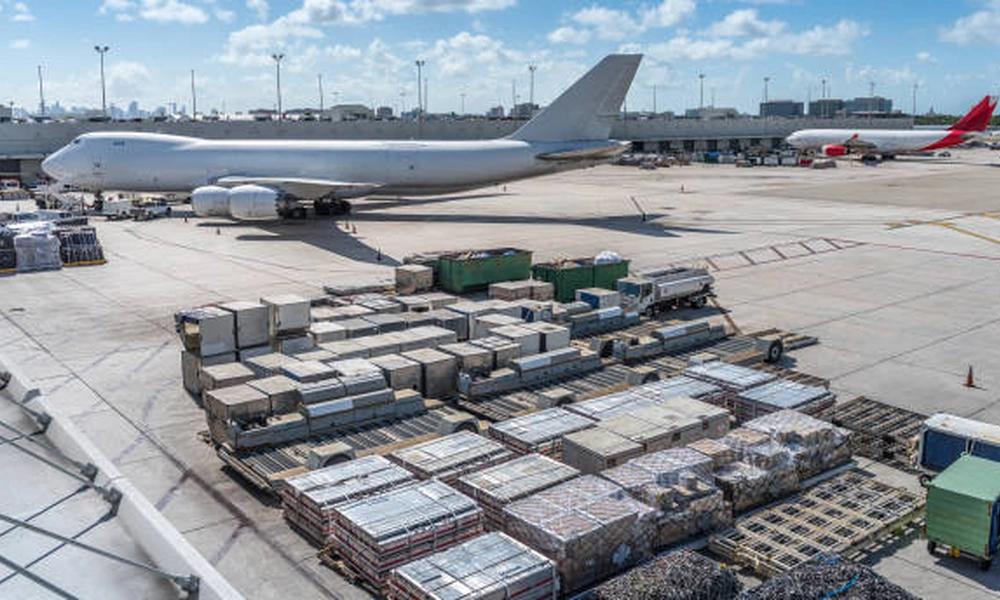
Master air cargo logistics and freight forwarding. Learn IATA regulations, documentation, and consolidation strategies. Intermediate.
 Hybrid5 days
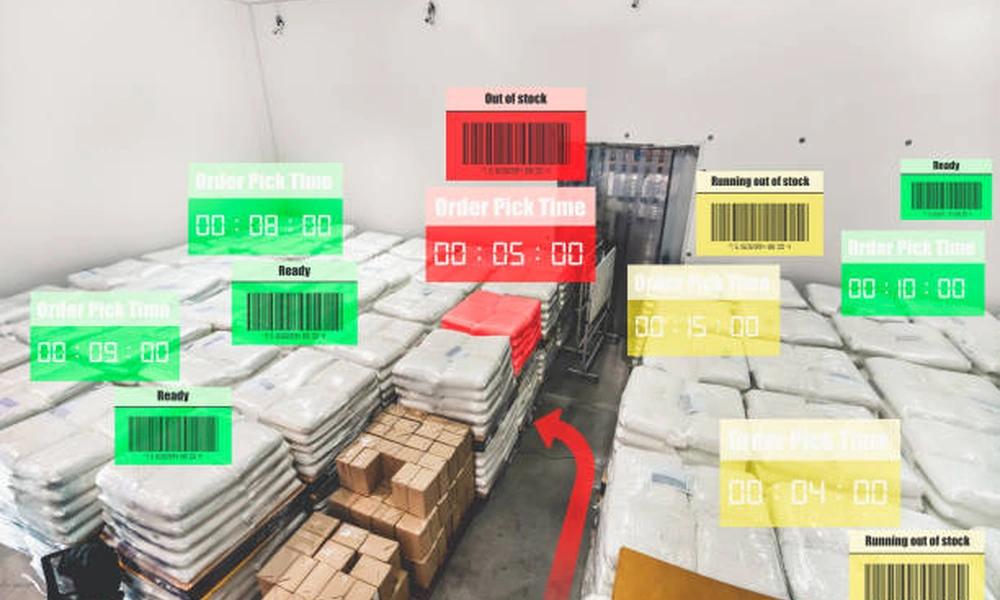
Master cold chain logistics. Learn temperature-controlled packaging, GDP compliance, and risk management for sensitive products.
Course finder
Find the right course for you
Prefer to talk it through? Send us an enquiry and a facilitator will scope a fit within a business day.
For corporate teams
Training 10+ professionals?
We deliver Training on Last-Mile Delivery Optimization and Customer Experience in-house at your offices, at a venue we arrange, or fully virtual. Customise the curriculum against your KPIs, and get a bespoke price for the cohort size you need.