
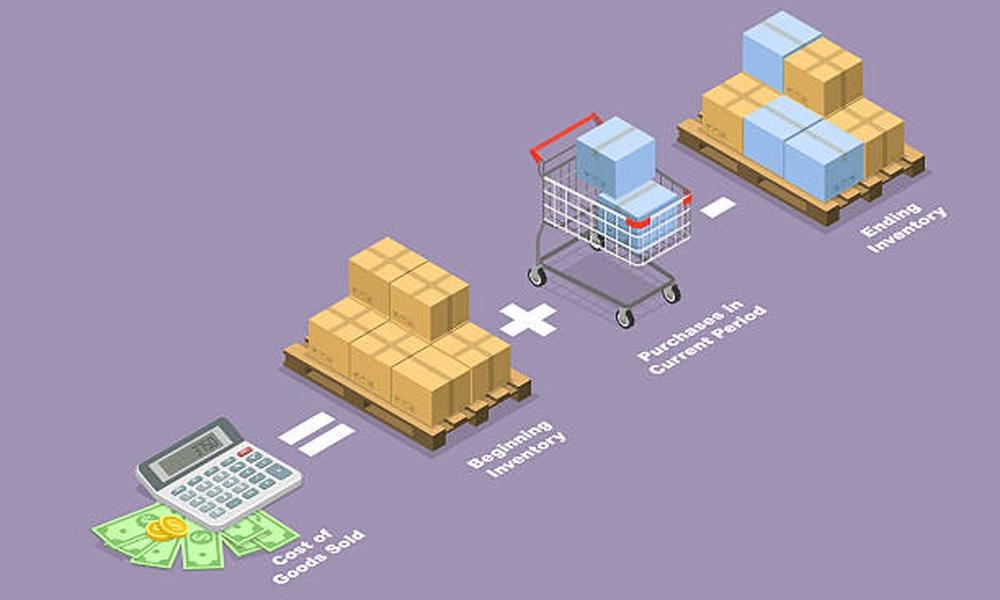
Training on Logistics Costing, Pricing, and Profitability Analysis
Advanced logistics costing and pricing. Master activity-based costing, cost-to-serve models, and customer profitability analysis.
Next intake
20 Jul 2026 · Nakuru
Duration
10 days
Live instruction
Delivery
Physical + Virtual
Cohort based
Level
Advanced
Working professionals
Certification
NITA reimbursable
For Kenyan cohorts
Language
English
All materials
About this programme
This advanced course provides a deep understanding of logistics costing methodologies and their application to pricing decisions and profitability analysis. Participants will learn to calculate true cost-to-serve, develop activity-based costing (ABC) models for logistics operations, and use these insights to optimize pricing strategies, customer profitability, and network efficiency.
Who Should Attend:
-
Logistics Finance Managers
-
Supply Chain Controllers
-
Pricing Analysts in Logistics
-
Transportation and Warehousing Operations Leaders
What you'll walk away with
-
Develop activity-based costing models for transportation and warehousing.
-
Calculate cost-to-serve for customers, products, and channels.
-
Apply logistics costing insights to pricing and contract negotiations.
-
Analyze profitability across network segments to drive improvement.
What we cover, module by module
Module 1: Foundations of Logistics Costing
-
Direct vs. indirect costs, fixed vs. variable costs, and semi-variable costs.
-
Cost allocation challenges in logistics operations.
-
Traditional costing vs. activity-based costing (ABC).
-
Case Study/Hands-on Exercise: Analyze a sample logistics profit and loss statement, identify cost categories, and discuss the limitations of traditional allocation methods.
Module 2: Transportation Costing Models
-
Decomposing transportation costs: line haul, fuel, accessorials, and detention.
-
Lane-level costing: fixed route costs vs. variable costs.
-
Costing for LTL, FTL, intermodal, and parcel.
-
Case Study/Hands-on Exercise: Calculate the true cost per mile and cost per shipment for a portfolio of lanes, incorporating all direct and indirect transportation costs.
Module 3: Warehousing Costing and Activity-Based Models
-
Identifying warehousing activities: receiving, putaway, storage, picking, packing, shipping.
-
Assigning costs to activities: labor, equipment, space, and overhead.
-
Developing activity rates (e.g., cost per pick line, cost per pallet stored).
-
Case Study/Hands-on Exercise: Build a simplified activity-based costing model for a warehouse, calculating activity rates and applying them to a sample set of customer orders.
Module 4: Inventory Carrying Cost Analysis
-
Components of inventory carrying cost: capital cost, storage cost, obsolescence, and insurance.
-
Calculating the true cost of holding inventory.
-
Impact of inventory policies on overall logistics cost.
-
Case Study/Hands-on Exercise: Calculate the inventory carrying cost for a portfolio of SKUs, using company financial data to determine the capital cost percentage.
Module 5: Cost-to-Serve (CTS) Modeling
-
Defining cost-to-serve: direct and indirect costs attributable to a customer or product.
-
Building a cost-to-serve framework: mapping activities to customers.
-
Segmenting customers by cost-to-serve and profitability.
-
Case Study/Hands-on Exercise: Develop a cost-to-serve model for five customer segments, allocating transportation, warehousing, and inventory costs based on service-level drivers.
Module 6: Customer and Product Profitability Analysis
-
Using CTS models to calculate customer profitability.
-
Product profitability analysis: considering volume, handling complexity, and storage requirements.
-
Identifying unprofitable customers or products for remediation.
-
Case Study/Hands-on Exercise: Analyze customer profitability for a sample portfolio, identifying high-cost-to-serve, low-margin customers, and develop a strategy for improvement.
Module 7: Pricing Strategies and Rate Negotiation
-
Cost-plus vs. value-based pricing in logistics.
-
Developing rate cards and pricing models for logistics services.
-
Using cost data to strengthen negotiation positions with customers or carriers.
-
Case Study/Hands-on Exercise: Using CTS data, develop a pricing recommendation for a new customer proposal, balancing competitive pricing with profitability targets.
Module 8: Network Profitability and Optimization
-
Analyzing profitability by lane, mode, and facility.
-
Identifying loss-making network segments for optimization.
-
Modeling network changes to improve overall profitability.
-
Case Study/Hands-on Exercise: Analyze network profitability by lane, identify lanes with negative contribution margins, and model the impact of consolidating shipments or changing carriers.
Module 9: Budgeting, Forecasting, and Variance Analysis
-
Developing logistics budgets based on activity-based drivers.
-
Forecasting logistics costs under volume and rate scenarios.
-
Variance analysis: comparing actual costs to budget and identifying root causes.
-
Case Study/Hands-on Exercise: Perform a variance analysis for a logistics cost center, identifying favorable and unfavorable variances and investigating potential drivers.
Module 10: Advanced Analytics and Technology for Logistics Costing
-
Using technology for real-time cost visibility.
-
Integration of costing models with ERP and TMS data.
-
Predictive costing for new business opportunities.
-
Case Study/Hands-on Exercise: Design a logistics cost dashboard that provides real-time visibility into cost-per-order, cost-per-mile, and customer profitability for operational decision-makers.
Where the change lands
Organizational Impacts:
-
Improved profitability through accurate cost-to-serve analysis.
-
Data-driven pricing strategies that reflect true operational costs.
-
Enhanced ability to identify and manage unprofitable customers or lanes.
Individual Impacts:
-
Mastery of activity-based costing (ABC) in logistics environments.
-
Expertise in building cost-to-serve models for customers and products.
-
Skills to analyze profitability by lane, customer, and service level.
Dates and locations
Upcoming intakes
Every intake is limited to a small cohort. Booking closes when a date fills or three weeks before the start, whichever comes first.
| City | Starts | Ends | Delivery | Book |
|---|---|---|---|---|
NakuruNext | 20 Jul 2026 | 31 Jul 2026 | In-Person | Book |
Kigali | 20 Jul 2026 | 31 Jul 2026 | In-Person | Book |
Accra | 20 Jul 2026 | 31 Jul 2026 | In-Person | Book |
Kisumu | 27 Jul 2026 | 07 Aug 2026 | In-Person | Book |
Johannesburg | 27 Jul 2026 | 07 Aug 2026 | In-Person | Book |
Dakar | 27 Jul 2026 | 07 Aug 2026 | In-Person | Book |
- NakuruNext
20 Jul → 31 Jul·In-Person
Book this intake - Kigali
20 Jul → 31 Jul·In-Person
Book this intake - Accra
20 Jul → 31 Jul·In-Person
Book this intake - Kisumu
27 Jul → 07 Aug·In-Person
Book this intake - Johannesburg
27 Jul → 07 Aug·In-Person
Book this intake - Dakar
27 Jul → 07 Aug·In-Person
Book this intake
Common questions.
Still not sure? Send us a note and a facilitator will get back to you within a business day.
You may also like.
Programmes in the same discipline that participants often pair with this course.
 Hybrid10 days
Elevate your distribution center. Learn to integrate WMS with robotics and AI for scalable, high-efficiency logistics.
 Hybrid5 days
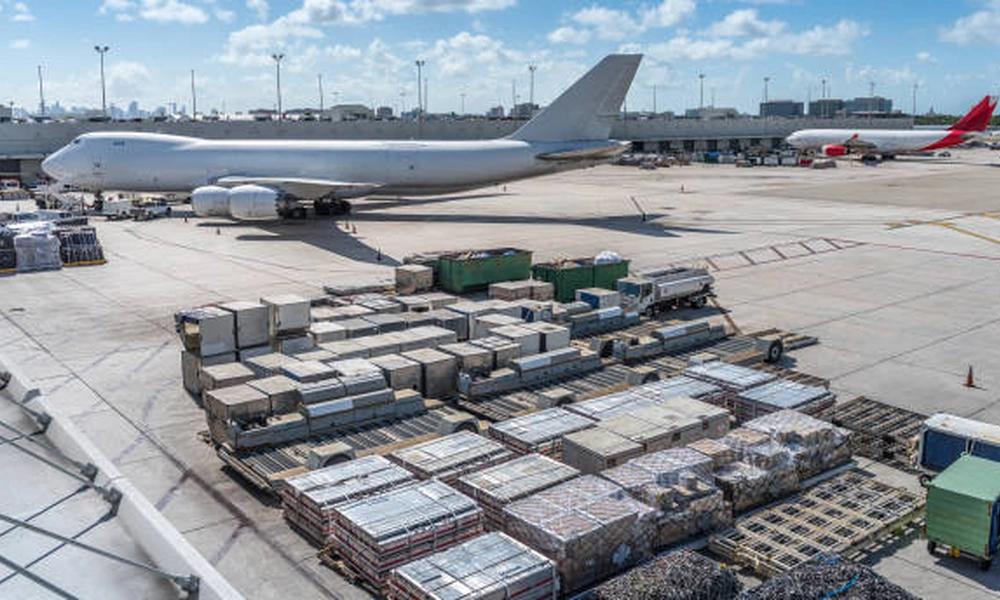
Master air cargo logistics and freight forwarding. Learn IATA regulations, documentation, and consolidation strategies. Intermediate.
 Hybrid5 days
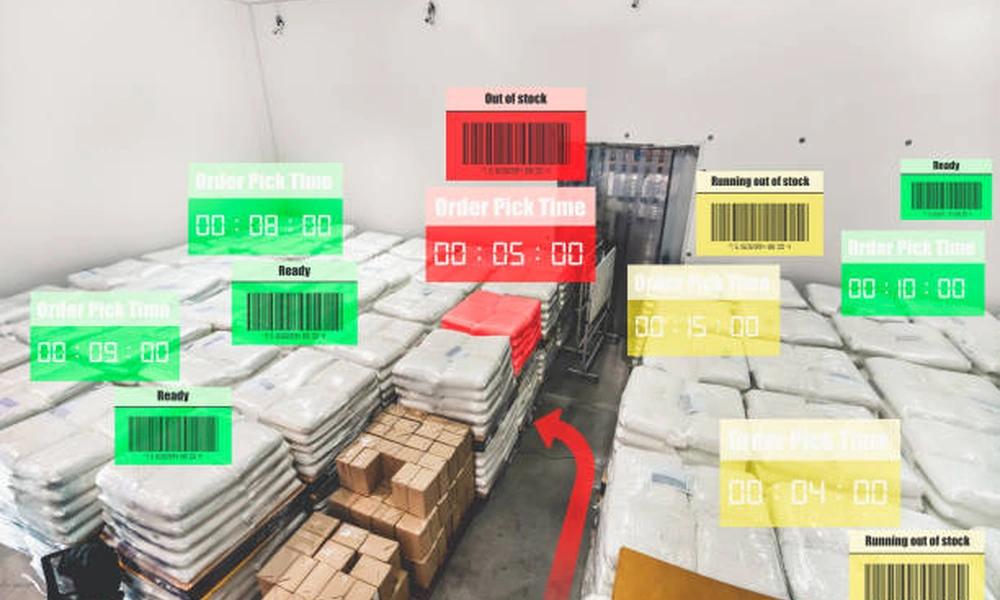
Master cold chain logistics. Learn temperature-controlled packaging, GDP compliance, and risk management for sensitive products.
Course finder
Find the right course for you
Prefer to talk it through? Send us an enquiry and a facilitator will scope a fit within a business day.
For corporate teams
Training 10+ professionals?
We deliver Training on Logistics Costing, Pricing, and Profitability Analysis in-house at your offices, at a venue we arrange, or fully virtual. Customise the curriculum against your KPIs, and get a bespoke price for the cohort size you need.