
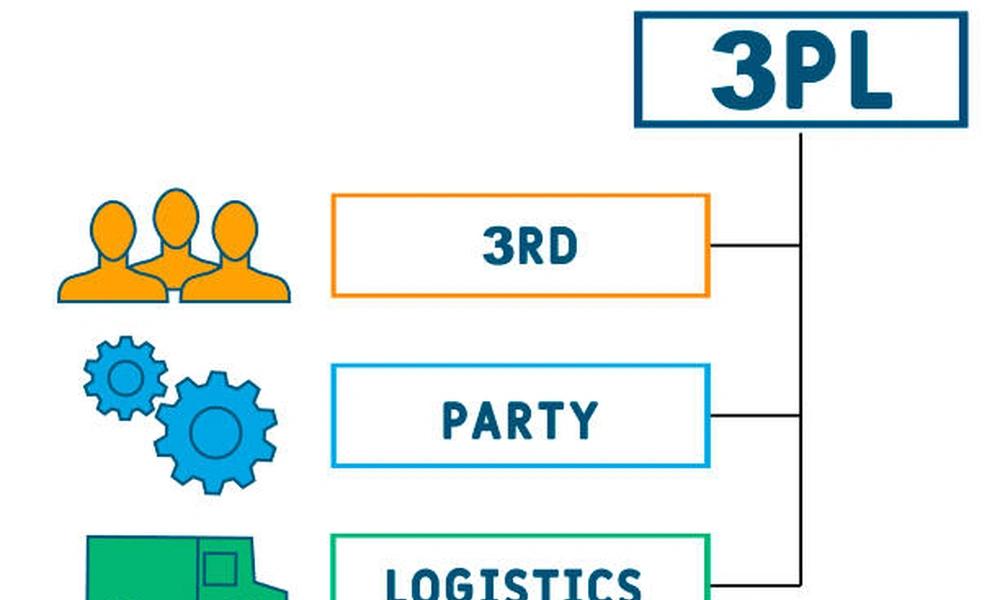
Training on Logistics Outsourcing and 3PL/4PL Management
Optimize your logistics outsourcing. This advanced course covers RFP management, performance governance, and collaborative relationships.
Next intake
20 Jul 2026 · Nakuru
Duration
10 days
Live instruction
Delivery
Physical + Virtual
Cohort based
Level
Advanced
Working professionals
Certification
NITA reimbursable
For Kenyan cohorts
Language
English
All materials
About this programme
This advanced course provides a strategic framework for leveraging third-party logistics (3PL) and fourth-party logistics (4PL) partnerships. Participants will learn the full lifecycle of outsourcing, from conducting a make-or-buy analysis and selecting partners to negotiating contracts, managing performance, and building collaborative, long-term relationships that drive mutual value.
Who Should Attend:
-
Supply Chain Directors
-
Logistics Procurement Managers
-
Head of Operations
-
Contract and Vendor Management Leaders
What you'll walk away with
-
Conduct a strategic make-or-buy analysis for logistics functions.
-
Develop and execute a robust 3PL/4PL selection and RFP process.
-
Negotiate contracts that align interests and mitigate risk.
-
Implement a performance management framework and governance model.
What we cover, module by module
Module 1: The Strategic Case for Outsourcing
-
Core competencies vs. non-core activities.
-
Types of outsourcing: transactional, tactical, and strategic partnerships.
-
Understanding 3PL vs. 4PL models and their roles.
-
Case Study/Hands-on Exercise: Conduct a make-or-buy analysis for a mid-sized company’s warehousing operations, considering factors like volume volatility, capital requirements, and strategic importance.
Module 2: Defining Scope and Developing the RFP
-
Translating business requirements into a detailed scope of work (SOW).
-
Designing a competitive Request for Proposal (RFP) process.
-
Identifying potential partners and creating a longlist/shortlist.
-
Case Study/Hands-on Exercise: Draft a comprehensive RFP for a 3PL to manage a company’s national distribution center, including service level requirements, KPIs, and data integration needs.
Module 3: 3PL/4PL Selection and Due Diligence
-
Developing weighted evaluation criteria (technical, commercial, cultural fit).
-
Conducting site visits, management interviews, and financial due diligence.
-
Managing the selection process and finalist presentations.
-
Case Study/Hands-on Exercise: Evaluate three 3PL proposals against a weighted scorecard, simulating a selection committee meeting to select the finalist.
Module 4: Contracting and Legal Frameworks
-
Key elements of a logistics services agreement: pricing models (cost-plus, fixed-fee, gain-share), liability, and insurance.
-
Defining service level agreements (SLAs) and penalty/reward structures.
-
Intellectual property, data ownership, and exit clauses.
-
Case Study/Hands-on Exercise: Redline a sample logistics contract section, focusing on liability caps and termination clauses, to better align with the client’s risk profile.
Module 5: Pricing Models and Cost Management
-
Analyzing different pricing models: cost-plus (open book) vs. fixed price vs. hybrid.
-
Understanding pass-through costs, fuel surcharges, and accessorials.
-
Strategies for cost transparency and joint cost reduction initiatives.
-
Case Study/Hands-on Exercise: Model the total cost of a 5-year 3PL contract under different volume growth scenarios and pricing models to determine the most cost-effective structure.
Module 6: Transition and Change Management
-
Developing a detailed transition plan and timeline.
-
Managing asset and personnel transfer.
-
Communicating with internal stakeholders and customers during the transition.
-
Case Study/Hands-on Exercise: Create a 90-day transition plan for onboarding a new 3PL for transportation management, including key milestones, resource allocation, and risk mitigation steps.
Module 7: Performance Management and Governance
-
Establishing a joint governance structure: operational meetings, QBRs, and executive reviews.
-
Implementing a balanced scorecard of SLAs and continuous improvement KPIs.
-
Tools and processes for operational performance review.
-
Case Study/Hands-on Exercise: Design a quarterly business review (QBR) agenda and scorecard for a strategic 3PL partnership, including categories for financial performance, operational excellence, and strategic initiatives.
Module 8: Building Collaborative Partnerships
-
Moving from transactional vendor to strategic partner.
-
Techniques for collaborative problem-solving and innovation.
-
Developing joint continuous improvement programs (e.g., kaizen events).
-
Case Study/Hands-on Exercise: Role-play a joint business planning session where the client and 3PL collaboratively identify opportunities to reduce total landed cost by 5% through process improvements.
Module 9: Risk Management and Business Continuity with 3PLs
-
Assessing and mitigating risks associated with outsourcing.
-
Ensuring 3PLs have robust business continuity and disaster recovery plans.
-
Managing sub-contractor and tier-2 supplier risk within the 3PL’s network.
-
Case Study/Hands-on Exercise: Conduct a risk assessment of a 3PL’s operations, including their financial stability, dependency on single-source sub-contractors, and disaster recovery plan for their key facilities.
Module 10: End-of-Life Management and Exit Strategies
-
Planning for contract renewal, re-bidding, or in-sourcing.
-
Managing knowledge transfer and asset return.
-
Ensuring a smooth transition to a new partner or internal operation.
-
Case Study/Hands-on Exercise: Develop an exit strategy playbook for a major 3PL contract, including a timeline, data migration plan, communication strategy, and legal considerations.
Where the change lands
Organizational Impacts:
-
Access to specialized capabilities, technology, and global networks.
-
Optimized cost structure through economies of scale.
-
Increased flexibility and scalability to meet business demands.
Individual Impacts:
-
Expertise in 3PL/4PL selection, contracting, and performance governance.
-
Mastery of negotiation strategies for logistics services.
-
Skills to build and manage strategic, collaborative partnerships.
Dates and locations
Upcoming intakes
Every intake is limited to a small cohort. Booking closes when a date fills or three weeks before the start, whichever comes first.
| City | Starts | Ends | Delivery | Book |
|---|---|---|---|---|
NakuruNext | 20 Jul 2026 | 31 Jul 2026 | In-Person | Book |
Kigali | 20 Jul 2026 | 31 Jul 2026 | In-Person | Book |
Accra | 20 Jul 2026 | 31 Jul 2026 | In-Person | Book |
Kisumu | 27 Jul 2026 | 07 Aug 2026 | In-Person | Book |
Johannesburg | 27 Jul 2026 | 07 Aug 2026 | In-Person | Book |
Dakar | 27 Jul 2026 | 07 Aug 2026 | In-Person | Book |
- NakuruNext
20 Jul → 31 Jul·In-Person
Book this intake - Kigali
20 Jul → 31 Jul·In-Person
Book this intake - Accra
20 Jul → 31 Jul·In-Person
Book this intake - Kisumu
27 Jul → 07 Aug·In-Person
Book this intake - Johannesburg
27 Jul → 07 Aug·In-Person
Book this intake - Dakar
27 Jul → 07 Aug·In-Person
Book this intake
Common questions.
Still not sure? Send us a note and a facilitator will get back to you within a business day.
You may also like.
Programmes in the same discipline that participants often pair with this course.
 Hybrid10 days
Elevate your distribution center. Learn to integrate WMS with robotics and AI for scalable, high-efficiency logistics.
 Hybrid5 days
Master air cargo logistics and freight forwarding. Learn IATA regulations, documentation, and consolidation strategies. Intermediate.
 Hybrid5 days
Master cold chain logistics. Learn temperature-controlled packaging, GDP compliance, and risk management for sensitive products.
Course finder
Find the right course for you
Prefer to talk it through? Send us an enquiry and a facilitator will scope a fit within a business day.
For corporate teams
Training 10+ professionals?
We deliver Training on Logistics Outsourcing and 3PL/4PL Management in-house at your offices, at a venue we arrange, or fully virtual. Customise the curriculum against your KPIs, and get a bespoke price for the cohort size you need.