

Training on Logistics Real Estate and Distribution Network Strategy
Advanced logistics real estate and network strategy. Master site selection, lease structures, and distribution network optimization.
Next intake
20 Jul 2026 · Nakuru
Duration
10 days
Live instruction
Delivery
Physical + Virtual
Cohort based
Level
Advanced
Working professionals
Certification
NITA reimbursable
For Kenyan cohorts
Language
English
All materials
About this programme
This advanced course focuses on the strategic interplay between logistics real estate and supply chain network design. Participants will learn to evaluate site selection criteria, analyze market dynamics, and structure lease or ownership models to optimize distribution networks. The curriculum covers facility design, automation readiness, and the financial modeling required to make strategic real estate decisions.
Who Should Attend:
-
Supply Chain Network Strategists
-
Real Estate Directors for Logistics
-
Distribution Center VPs
-
Corporate Development and M&A Professionals
What you'll walk away with
-
Develop a distribution network strategy aligned with business goals.
-
Conduct site selection analysis using quantitative and qualitative criteria.
-
Evaluate logistics real estate market dynamics and lease structures.
-
Model the financial impact of network design and real estate decisions.
What we cover, module by module
Module 1: The Strategic Role of Logistics Real Estate
-
Distribution networks as competitive advantage.
-
Key trends: urbanization, near-shoring, automation, and sustainability.
-
Aligning real estate strategy with supply chain and corporate strategy.
-
Case Study/Hands-on Exercise: Analyze how the real estate strategies of three major retailers (e.g., Amazon, Walmart, Target) differ based on their supply chain models.
Module 2: Distribution Network Design Principles
-
Centralized vs. decentralized network models.
-
Factors influencing network structure: customer location, product characteristics, service requirements.
-
Trade-off analysis: transportation costs vs. real estate costs vs. inventory costs.
-
Case Study/Hands-on Exercise: Build a simplified network optimization model to determine the optimal number and location of distribution centers for a given demand pattern, minimizing total landed cost.
Module 3: Site Selection: Quantitative Analysis
-
Key site selection criteria: labor availability, transportation infrastructure, proximity to customers, utilities, and incentives.
-
Using geographic information systems (GIS) and modeling tools.
-
Developing a site selection scorecard and weighting criteria.
-
Case Study/Hands-on Exercise: Evaluate three potential site locations for a new distribution center using a weighted scorecard, incorporating quantitative data on labor, transportation costs, and incentives.
Module 4: Site Selection: Qualitative and Risk Factors
-
Assessing community relations, permitting, and zoning.
-
Environmental considerations and due diligence.
-
Natural hazard risk assessment (earthquakes, floods, hurricanes).
-
Case Study/Hands-on Exercise: Conduct a qualitative risk assessment for a potential site in a hurricane-prone region, evaluating mitigation strategies and the impact on business continuity.
Module 5: Logistics Real Estate Market Dynamics
-
Understanding industrial real estate fundamentals: vacancy rates, absorption, rent growth, and cap rates.
-
Key markets: primary, secondary, and tertiary logistics hubs.
-
The impact of e-commerce on industrial real estate demand.
-
Case Study/Hands-on Exercise: Analyze industrial real estate market reports for three major logistics markets (e.g., Inland Empire, Atlanta, Chicago) and develop a market entry recommendation.
Module 6: Lease Structures and Transaction Management
-
Types of leases: gross, net, and modified gross.
-
Build-to-suit, sale-leaseback, and speculative development.
-
Key lease terms: rent escalations, renewal options, expansion rights, and termination clauses.
-
Case Study/Hands-on Exercise: Review a sample lease agreement for a distribution center, identify key terms to negotiate (e.g., rent escalations, maintenance responsibilities), and develop a negotiation strategy.
Module 7: Facility Design and Automation Readiness
-
Designing for operational efficiency: dock doors, clear height, column spacing, and yard depth.
-
Assessing facilities for automation: robotics, conveyors, and AS/RS.
-
Future-proofing real estate for evolving operational needs.
-
Case Study/Hands-on Exercise: Evaluate an existing building for conversion to an automated fulfillment center, identifying structural constraints (e.g., floor flatness, slab thickness, ceiling height) and recommending modifications.
Module 8: Sustainability in Logistics Real Estate
-
Green building certifications: LEED, BREEAM, and net-zero carbon.
-
Energy-efficient building systems: lighting, HVAC, and solar.
-
Incorporating sustainability into site selection and design.
-
Case Study/Hands-on Exercise: Develop a sustainability checklist for evaluating potential distribution center sites, including criteria for renewable energy potential, water efficiency, and access to alternative transport modes.
Module 9: Financial Modeling for Logistics Real Estate
-
Capital expenditure (CAPEX) vs. operating expenditure (OPEX) analysis.
-
Net present value (NPV), internal rate of return (IRR), and payback period for real estate investments.
-
Modeling the financial impact of network design changes.
-
Case Study/Hands-on Exercise: Build a financial model comparing the 10-year total cost of owning a facility versus leasing, including acquisition costs, debt service, maintenance, and tax implications.
Module 10: Portfolio Management and Future Trends
-
Managing a portfolio of owned and leased facilities.
-
Strategies for portfolio optimization: consolidation, expansion, and divestment.
-
Emerging trends: multi-story warehouses, micro-fulfillment centers, and industrial outdoor storage.
-
Case Study/Hands-on Exercise: Develop a 5-year real estate portfolio strategy for a growing company, recommending consolidation of legacy facilities, expansion into new markets, and a target ratio of owned vs. leased assets.
Where the change lands
Organizational Impacts:
-
Optimized distribution network for cost, service, and resilience.
-
Strategic real estate portfolio aligned with supply chain needs.
-
Improved capital allocation and lease negotiation outcomes.
Individual Impacts:
-
Mastery of site selection and network modeling techniques.
-
Expertise in lease structures, build-to-suit models, and sale-leaseback.
-
Skills to evaluate automation readiness and facility design.
Dates and locations
Upcoming intakes
Every intake is limited to a small cohort. Booking closes when a date fills or three weeks before the start, whichever comes first.
| City | Starts | Ends | Delivery | Book |
|---|---|---|---|---|
NakuruNext | 20 Jul 2026 | 31 Jul 2026 | In-Person | Book |
Kigali | 20 Jul 2026 | 31 Jul 2026 | In-Person | Book |
Accra | 20 Jul 2026 | 31 Jul 2026 | In-Person | Book |
Kisumu | 27 Jul 2026 | 07 Aug 2026 | In-Person | Book |
Johannesburg | 27 Jul 2026 | 07 Aug 2026 | In-Person | Book |
Dakar | 27 Jul 2026 | 07 Aug 2026 | In-Person | Book |
- NakuruNext
20 Jul → 31 Jul·In-Person
Book this intake - Kigali
20 Jul → 31 Jul·In-Person
Book this intake - Accra
20 Jul → 31 Jul·In-Person
Book this intake - Kisumu
27 Jul → 07 Aug·In-Person
Book this intake - Johannesburg
27 Jul → 07 Aug·In-Person
Book this intake - Dakar
27 Jul → 07 Aug·In-Person
Book this intake
Common questions.
Still not sure? Send us a note and a facilitator will get back to you within a business day.
You may also like.
Programmes in the same discipline that participants often pair with this course.
 Hybrid10 days
Elevate your distribution center. Learn to integrate WMS with robotics and AI for scalable, high-efficiency logistics.
 Hybrid5 days
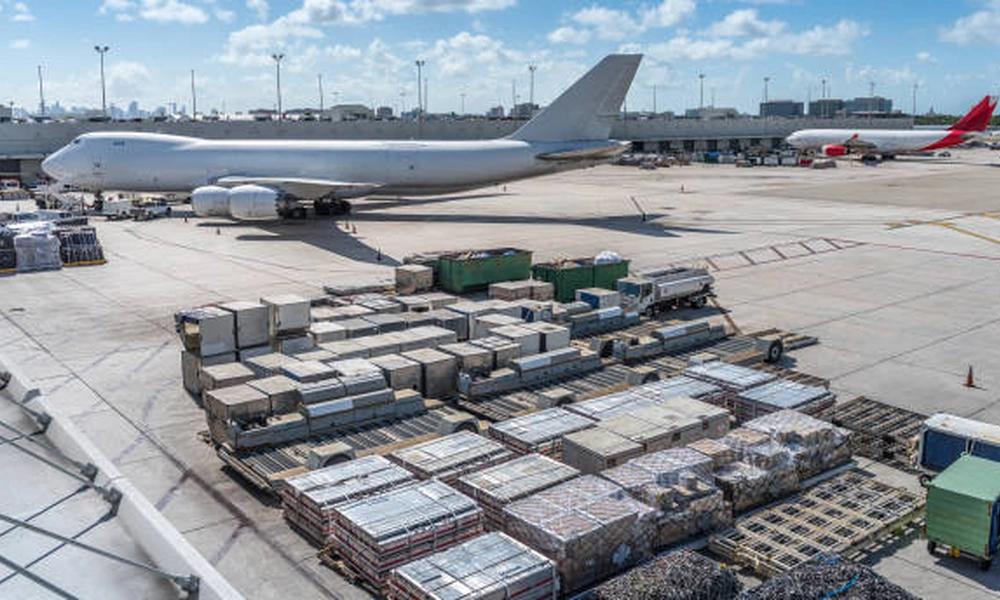
Master air cargo logistics and freight forwarding. Learn IATA regulations, documentation, and consolidation strategies. Intermediate.
 Hybrid5 days
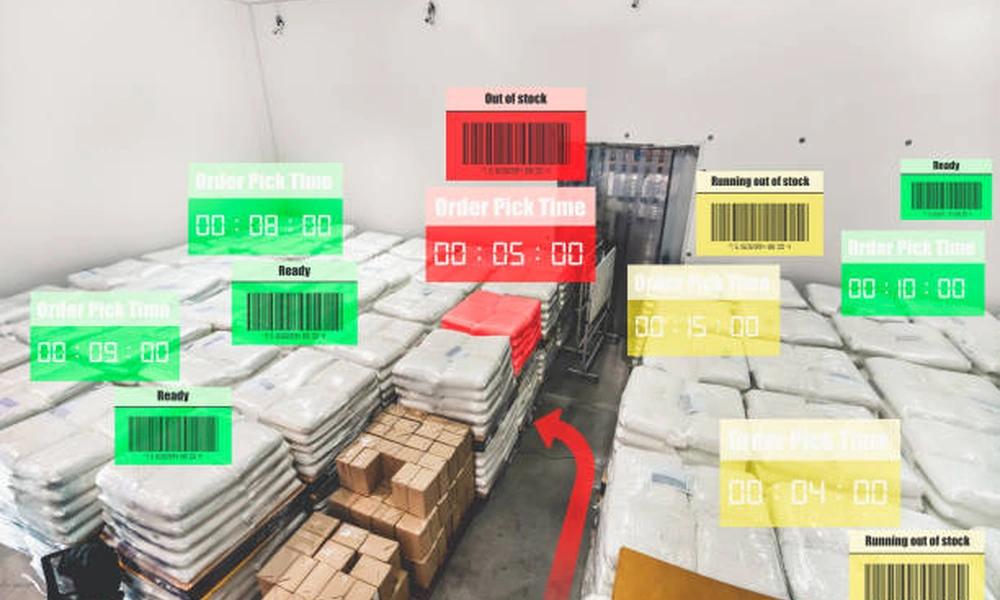
Master cold chain logistics. Learn temperature-controlled packaging, GDP compliance, and risk management for sensitive products.
Course finder
Find the right course for you
Prefer to talk it through? Send us an enquiry and a facilitator will scope a fit within a business day.
For corporate teams
Training 10+ professionals?
We deliver Training on Logistics Real Estate and Distribution Network Strategy in-house at your offices, at a venue we arrange, or fully virtual. Customise the curriculum against your KPIs, and get a bespoke price for the cohort size you need.