
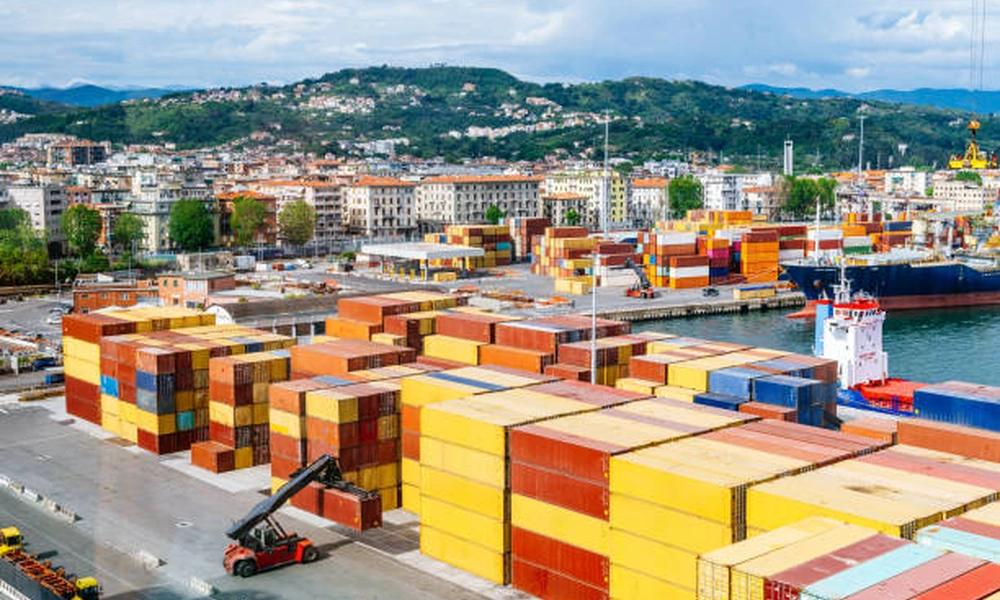
Training on Maritime Logistics and Shipping Operations
Navigate global shipping with confidence. This course covers vessel types, port operations, and maritime regulations.
Next intake
20 Jul 2026 · Nakuru
Duration
5 days
Live instruction
Delivery
Physical + Virtual
Cohort based
Level
Intermediate
Working professionals
Certification
NITA reimbursable
For Kenyan cohorts
Language
English
All materials
About this programme
This intermediate course provides a comprehensive understanding of maritime logistics and shipping operations, which form the backbone of global trade. Participants will learn about vessel types, chartering practices, port operations, shipping documentation, and the commercial and legal frameworks that govern ocean transportation. The curriculum emphasizes the practical aspects of managing ocean freight from booking to delivery.
Who Should Attend:
-
Maritime Logistics Coordinators
-
Shipping Line Operations Managers
-
Freight Forwarders and NVOCCs
-
International Trade and Logistics Professionals
What you'll walk away with
-
Select appropriate vessel types and shipping services for different cargo.
-
Navigate chartering practices and ocean freight rate structures.
-
Manage shipping documentation including bills of lading and manifests.
-
Understand the legal and commercial frameworks governing maritime logistics.
What we cover, module by module
Module 1: The Maritime Logistics Industry
-
Key players: shipping lines, NVOCCs, freight forwarders, ports, and shippers.
-
Vessel types: container ships, bulk carriers, tankers, Ro-Ro, and breakbulk.
-
Shipping routes, alliances, and liner vs. tramp services.
-
Case Study/Hands-on Exercise: Map the ocean freight supply chain for a shipment of consumer electronics from Asia to Europe, identifying all stakeholders and their roles.
Module 2: Vessel Chartering and Ocean Freight Rates
-
Types of chartering: voyage charter, time charter, and bareboat charter.
-
Components of ocean freight rates: base rate, bunker adjustment factor (BAF), currency adjustment factor (CAF), and terminal handling charges (THC).
-
Contract of affreightment (COA) and service contracts.
-
Case Study/Hands-on Exercise: Compare the total cost of a voyage charter versus a slot charter on a container vessel for a large shipment of machinery, considering volume, transit time, and flexibility.
Module 3: Shipping Documentation and Bills of Lading
-
The bill of lading: functions as receipt, contract, and document of title.
-
Types of bills of lading: straight, order, and seaway bill.
-
Other key documents: shipping instructions, manifest, packing list, and certificate of origin.
-
Case Study/Hands-on Exercise: Review a sample bill of lading, identify discrepancies with the commercial invoice and packing list, and understand the implications for title transfer and payment.
Module 4: Port Operations and Vessel Interface
-
Vessel scheduling, berth allocation, and terminal operations.
-
Container loading and discharge: stowage planning and lashing.
-
Port documentation: arrival notice, delivery order, and customs interface.
-
Case Study/Hands-on Exercise: Develop a coordination plan for a vessel arrival, ensuring that all documentation is in place, customs clearance is arranged, and drayage is scheduled to minimize container dwell time.
Module 5: Maritime Regulations, Incoterms, and Risk Management
-
Overview of international maritime regulations: SOLAS, MARPOL, and the ISM Code.
-
Incoterms 2020 and their impact on shipping responsibilities and costs.
-
Cargo insurance, claims, and managing shipping risks.
-
Case Study/Hands-on Exercise: Analyze a shipping scenario where cargo is damaged during transit. Determine responsibility based on Incoterms, assess potential insurance coverage, and develop a claims management process.
Where the change lands
Organizational Impacts:
-
Optimized ocean freight costs through strategic carrier and vessel selection.
-
Reduced transit time variability and improved supply chain reliability.
-
Enhanced compliance with shipping documentation and international regulations.
Individual Impacts:
-
Mastery of vessel types, chartering, and shipping documentation.
-
Expertise in managing ocean freight bookings and carrier relationships.
-
Skills to navigate Incoterms, bills of lading, and maritime regulations.
Dates and locations
Upcoming intakes
Every intake is limited to a small cohort. Booking closes when a date fills or three weeks before the start, whichever comes first.
| City | Starts | Ends | Delivery | Book |
|---|---|---|---|---|
NakuruNext | 20 Jul 2026 | 24 Jul 2026 | In-Person | Book |
Kigali | 20 Jul 2026 | 24 Jul 2026 | In-Person | Book |
Accra | 20 Jul 2026 | 24 Jul 2026 | In-Person | Book |
Kisumu | 27 Jul 2026 | 31 Jul 2026 | In-Person | Book |
Johannesburg | 27 Jul 2026 | 31 Jul 2026 | In-Person | Book |
Dakar | 27 Jul 2026 | 31 Jul 2026 | In-Person | Book |
- NakuruNext
20 Jul → 24 Jul·In-Person
Book this intake - Kigali
20 Jul → 24 Jul·In-Person
Book this intake - Accra
20 Jul → 24 Jul·In-Person
Book this intake - Kisumu
27 Jul → 31 Jul·In-Person
Book this intake - Johannesburg
27 Jul → 31 Jul·In-Person
Book this intake - Dakar
27 Jul → 31 Jul·In-Person
Book this intake
Common questions.
Still not sure? Send us a note and a facilitator will get back to you within a business day.
You may also like.
Programmes in the same discipline that participants often pair with this course.
 Hybrid10 days
Elevate your distribution center. Learn to integrate WMS with robotics and AI for scalable, high-efficiency logistics.
 Hybrid5 days
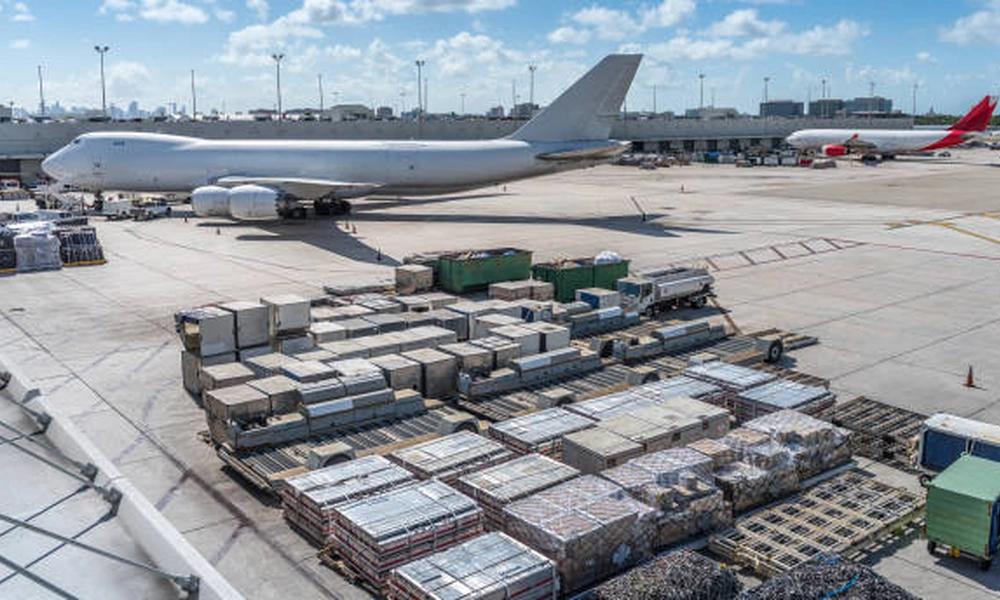
Master air cargo logistics and freight forwarding. Learn IATA regulations, documentation, and consolidation strategies. Intermediate.
 Hybrid5 days
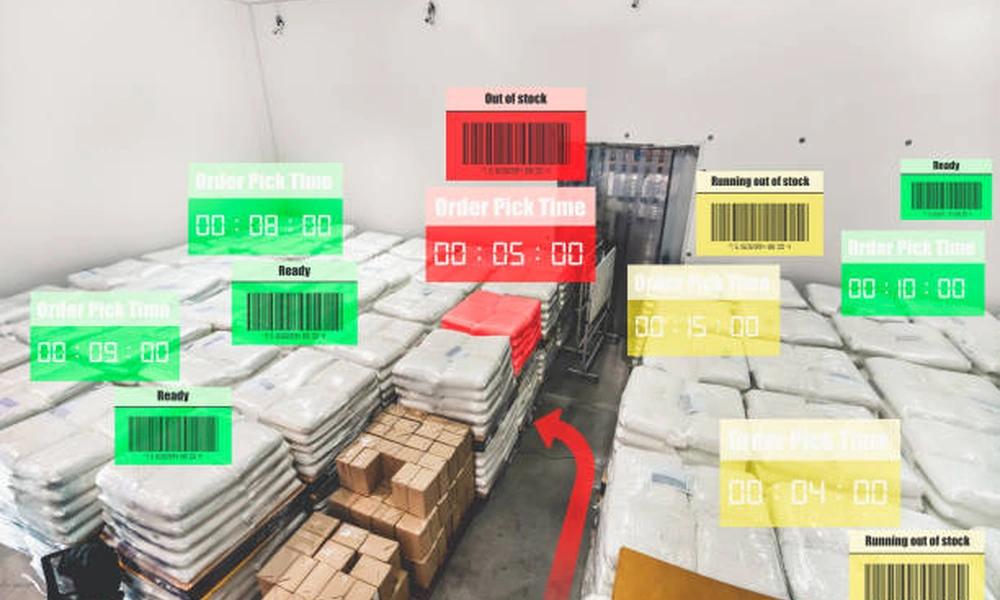
Master cold chain logistics. Learn temperature-controlled packaging, GDP compliance, and risk management for sensitive products.
Course finder
Find the right course for you
Prefer to talk it through? Send us an enquiry and a facilitator will scope a fit within a business day.
For corporate teams
Training 10+ professionals?
We deliver Training on Maritime Logistics and Shipping Operations in-house at your offices, at a venue we arrange, or fully virtual. Customise the curriculum against your KPIs, and get a bespoke price for the cohort size you need.