
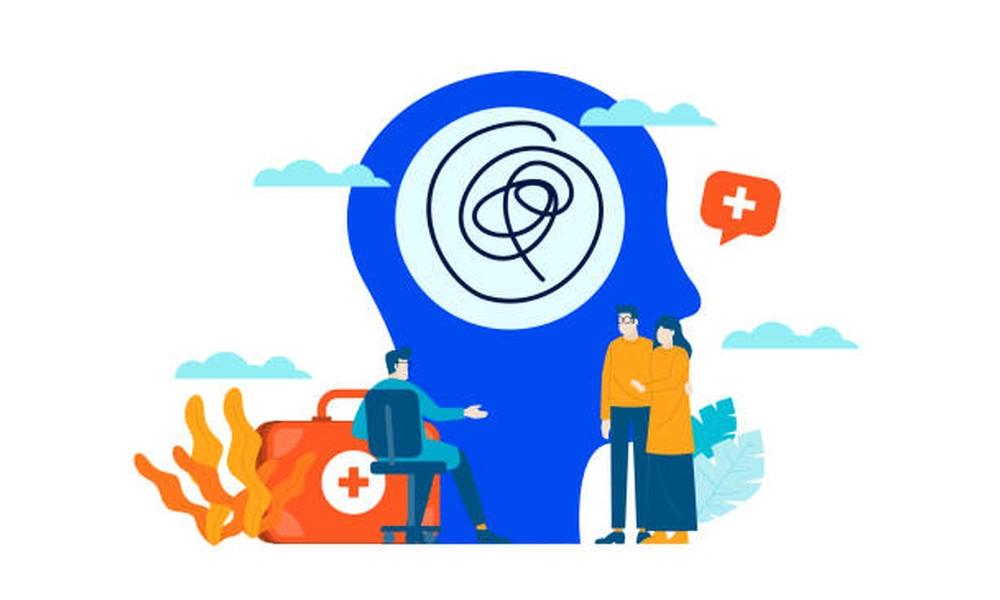
Training on Mental Health and Psychosocial Support (MHPSS) in Emergencies
Address mental health and psychosocial needs in crises. This course covers assessment, intervention design, and staff care.
Next intake
20 Jul 2026 · Nakuru
Duration
10 days
Live instruction
Delivery
Physical + Virtual
Cohort based
Level
Advanced
Working professionals
Certification
NITA reimbursable
For Kenyan cohorts
Language
English
All materials
About this programme
This advanced course provides specialized training on Mental Health and Psychosocial Support (MHPSS) in humanitarian emergencies. Participants will learn to assess MHPSS needs, design multi-layered interventions based on the IASC pyramid, implement community-based psychosocial support, and coordinate with health and protection actors.
Who Should Attend:
-
MHPSS Program Managers and Coordinators
-
Psychologists and Social Workers in Humanitarian Settings
-
Health and Protection Program Managers
-
NGO Field Coordinators
What you'll walk away with
-
Assess MHPSS needs and capacities in humanitarian settings.
-
Design multi-layered MHPSS interventions based on the IASC pyramid.
-
Implement community-based psychosocial support and psychological first aid (PFA).
-
Coordinate MHPSS with health, protection, and education sectors.
What we cover, module by module
Module 1: Foundations of MHPSS in Emergencies
-
Defining MHPSS: mental health and psychosocial support.
-
The impact of emergencies on mental health and psychosocial well-being.
-
Key frameworks: IASC MHPSS guidelines and the intervention pyramid.
-
Case Study/Hands-on Exercise: Analyze the MHPSS impact of a natural disaster on a community, identifying different levels of distress and existing coping mechanisms.
Module 2: The IASC MHPSS Intervention Pyramid
-
Layer 1: Social and basic services and security.
-
Layer 2: Community and family support.
-
Layer 3: Focused, non-specialized support.
-
Layer 4: Specialized mental health services.
-
Case Study/Hands-on Exercise: Map existing and needed MHPSS interventions for a refugee camp onto the IASC pyramid, identifying gaps at each layer.
Module 3: MHPSS Assessment and Monitoring
-
Assessment tools: rapid MHPSS assessments, KAP surveys, and participatory approaches.
-
Identifying vulnerable groups and specific MHPSS needs.
-
Monitoring MHPSS interventions: process and outcome indicators.
-
Case Study/Hands-on Exercise: Design an MHPSS rapid assessment plan for a newly displaced population, including methods, questions, and ethical considerations.
Module 4: Psychological First Aid (PFA)
-
Principles of PFA: prepare, look, listen, and link.
-
Who needs PFA and who does not.
-
Training frontline staff in PFA.
-
Case Study/Hands-on Exercise: Role-play providing PFA to a distressed survivor of a disaster, practicing active listening, needs assessment, and appropriate referral.
Module 5: Community-Based Psychosocial Support
-
Mobilizing community structures for psychosocial support.
-
Activities: child-friendly spaces, women's groups, youth activities, and community conversations.
-
Facilitating community-led support and resilience building.
-
Case Study/Hands-on Exercise: Design a community-based psychosocial support program for a displacement camp, including activities for children, adolescents, and adults.
Module 6: Focused Non-Specialized Support
-
Problem Management Plus (PM+) and other low-intensity psychological interventions.
-
Group-based interventions for common mental health conditions.
-
Training non-specialist workers to deliver focused support.
-
Case Study/Hands-on Exercise: Develop a referral pathway from community-based support to focused non-specialized interventions for individuals with moderate distress.
Module 7: Specialized Mental Health Services
-
Integrating mental health into primary health care.
-
Managing severe mental health conditions in humanitarian settings.
-
Psychiatric medications, psychosocial support, and follow-up.
-
Case Study/Hands-on Exercise: Design a mental health integration plan for a primary health clinic in a camp setting, including staffing, training, and referral pathways.
Module 8: MHPSS for Specific Groups
-
Children and adolescents: psychosocial support, child-friendly spaces, and schools.
-
Older persons and persons with disabilities: accessibility and tailored support.
-
Survivors of violence and torture: trauma-informed care.
-
Case Study/Hands-on Exercise: Design an MHPSS program specifically for unaccompanied and separated children in a displacement setting.
Module 9: MHPSS for Humanitarian Staff
-
The impact of humanitarian work on staff mental health.
-
Staff care programs: stress management, peer support, and access to mental health services.
-
Managing critical incidents and post-incident support.
-
Case Study/Hands-on Exercise: Develop a staff care plan for a humanitarian team operating in a high-stress environment, including prevention and response strategies.
Module 10: MHPSS Coordination and Advocacy
-
The MHPSS Working Group and coordination with health, protection, and education clusters.
-
Minimum service package for MHPSS in emergencies.
-
Advocacy for MHPSS integration and funding.
-
Case Study/Hands-on Exercise: Simulate an MHPSS coordination meeting, identifying gaps, sharing resources, and developing joint advocacy messages.
Where the change lands
Organizational Impacts:
-
Improved mental health and well-being of affected populations.
-
Reduced psychosocial distress and enhanced community coping mechanisms.
-
Integration of MHPSS across humanitarian sectors.
Individual Impacts:
-
Mastery of MHPSS frameworks and the IASC pyramid.
-
Expertise in MHPSS assessment tools and intervention design.
-
Skills to train frontline staff in psychological first aid (PFA) and psychosocial support.
Dates and locations
Upcoming intakes
Every intake is limited to a small cohort. Booking closes when a date fills or three weeks before the start, whichever comes first.
| City | Starts | Ends | Delivery | Book |
|---|---|---|---|---|
NakuruNext | 20 Jul 2026 | 31 Jul 2026 | In-Person | Book |
Kigali | 20 Jul 2026 | 31 Jul 2026 | In-Person | Book |
Accra | 20 Jul 2026 | 31 Jul 2026 | In-Person | Book |
Kisumu | 27 Jul 2026 | 07 Aug 2026 | In-Person | Book |
Johannesburg | 27 Jul 2026 | 07 Aug 2026 | In-Person | Book |
Dakar | 27 Jul 2026 | 07 Aug 2026 | In-Person | Book |
- NakuruNext
20 Jul → 31 Jul·In-Person
Book this intake - Kigali
20 Jul → 31 Jul·In-Person
Book this intake - Accra
20 Jul → 31 Jul·In-Person
Book this intake - Kisumu
27 Jul → 07 Aug·In-Person
Book this intake - Johannesburg
27 Jul → 07 Aug·In-Person
Book this intake - Dakar
27 Jul → 07 Aug·In-Person
Book this intake
Common questions.
Still not sure? Send us a note and a facilitator will get back to you within a business day.
You may also like.
Programmes in the same discipline that participants often pair with this course.
 Hybrid5 days
Manage displacement sites effectively. This intermediate course covers site planning, community participation, and camp closure.
 Hybrid5 days
Master Cash and Voucher Assistance (CVA) in humanitarian action. Learn modality selection, market assessment, and delivery mechanisms.
 Hybrid10 days
Protect children in emergencies, displacement, and armed conflict. This course covers CPMS, child-friendly spaces, and reintegration.
Course finder
Find the right course for you
Prefer to talk it through? Send us an enquiry and a facilitator will scope a fit within a business day.
For corporate teams
Training 10+ professionals?
We deliver Training on Mental Health and Psychosocial Support (MHPSS) in Emergencies in-house at your offices, at a venue we arrange, or fully virtual. Customise the curriculum against your KPIs, and get a bespoke price for the cohort size you need.