

Training on Port Operations and Terminal Management
Master port and terminal operations. Learn vessel planning, yard management, and intermodal connectivity. Intermediate level.
Next intake
20 Jul 2026 · Nakuru
Duration
5 days
Live instruction
Delivery
Physical + Virtual
Cohort based
Level
Intermediate
Working professionals
Certification
NITA reimbursable
For Kenyan cohorts
Language
English
All materials
About this programme
This course provides a comprehensive understanding of the complexities of modern port and terminal operations. Participants will explore the coordination of vessel traffic, cargo handling, customs interface, and intermodal connectivity. The curriculum focuses on operational efficiency, safety protocols, and the strategic role of ports as critical nodes in global supply chains.
Who Should Attend:
-
Port Operations Managers
-
Terminal Supervisors
-
Shipping Line Coordinators
-
Logistics Managers involved in import/export
What you'll walk away with
-
Plan and optimize vessel berthing and cargo operations.
-
Manage terminal equipment and yard utilization effectively.
-
Coordinate port operations with customs clearance and intermodal transport.
-
Implement safety and security protocols in compliance with ISPS Code.
What we cover, module by module
Module 1: Fundamentals of Port and Terminal Operations
-
Types of ports: container, bulk, Ro-Ro, and multipurpose.
-
Key stakeholders: port authority, terminal operators, shipping lines, customs, and freight forwarders.
-
Key performance indicators: berth productivity, crane moves per hour, and dwell time.
-
Case Study/Hands-on Exercise: Analyze a terminal performance report, identify bottlenecks in vessel turnaround time, and propose operational improvements to increase throughput.
Module 2: Vessel Planning and Cargo Operations
-
Principles of vessel stowage planning: weight distribution, hazardous cargo segregation, and discharge sequence.
-
Roll-on/roll-off (Ro-Ro) vs. container vessel operations.
-
Managing vessel scheduling and berth allocation.
-
Case Study/Hands-on Exercise: Create a vessel stowage plan for a container ship calling at three ports, optimizing cargo placement to minimize rehandles and ensure vessel stability.
Module 3: Yard Management and Terminal Operating Systems (TOS)
-
Yard design principles: stacking strategies, block layout, and equipment deployment.
-
Container inventory management and gate operations.
-
Functionality of Terminal Operating Systems (TOS) for real-time visibility.
-
Case Study/Hands-on Exercise: Using a simulated TOS, design a yard stacking strategy for a container terminal to minimize truck turnaround time and maximize yard density.
Module 4: Port Safety, Security, and Regulatory Compliance
-
International Ship and Port Facility Security (ISPS) Code requirements.
-
Dangerous goods handling and segregation protocols.
-
Safety management systems: accident prevention and emergency response.
-
Case Study/Hands-on Exercise: Conduct a risk assessment for a terminal handling hazardous cargo, identifying potential hazards and developing a safety checklist for operational staff.
Module 5: Intermodal Connectivity and Port Hinterland Integration
-
Connecting port operations with rail, truck, and barge networks.
-
Strategies to reduce port congestion: extended gate hours, off-dock facilities, and appointment systems.
-
Digitalization in ports: Port Community Systems (PCS) and single window platforms.
-
Case Study/Hands-on Exercise: Develop a hinterland transport strategy for a major port experiencing chronic truck congestion, proposing a combination of rail shuttles, off-dock depots, and an appointment system.
Where the change lands
Organizational Impacts:
-
Reduced vessel turnaround time and berth occupancy.
-
Improved cargo throughput and terminal productivity.
-
Enhanced safety performance and regulatory compliance.
Individual Impacts:
-
Proficiency in vessel planning and cargo stowage principles.
-
Expertise in terminal operating systems (TOS) and equipment management.
-
Skills to coordinate with customs, shipping lines, and hinterland logistics.
Dates and locations
Upcoming intakes
Every intake is limited to a small cohort. Booking closes when a date fills or three weeks before the start, whichever comes first.
| City | Starts | Ends | Delivery | Book |
|---|---|---|---|---|
NakuruNext | 20 Jul 2026 | 24 Jul 2026 | In-Person | Book |
Kigali | 20 Jul 2026 | 24 Jul 2026 | In-Person | Book |
Accra | 20 Jul 2026 | 24 Jul 2026 | In-Person | Book |
Kisumu | 27 Jul 2026 | 31 Jul 2026 | In-Person | Book |
Johannesburg | 27 Jul 2026 | 31 Jul 2026 | In-Person | Book |
Dakar | 27 Jul 2026 | 31 Jul 2026 | In-Person | Book |
- NakuruNext
20 Jul → 24 Jul·In-Person
Book this intake - Kigali
20 Jul → 24 Jul·In-Person
Book this intake - Accra
20 Jul → 24 Jul·In-Person
Book this intake - Kisumu
27 Jul → 31 Jul·In-Person
Book this intake - Johannesburg
27 Jul → 31 Jul·In-Person
Book this intake - Dakar
27 Jul → 31 Jul·In-Person
Book this intake
Common questions.
Still not sure? Send us a note and a facilitator will get back to you within a business day.
You may also like.
Programmes in the same discipline that participants often pair with this course.
 Hybrid10 days
Elevate your distribution center. Learn to integrate WMS with robotics and AI for scalable, high-efficiency logistics.
 Hybrid5 days
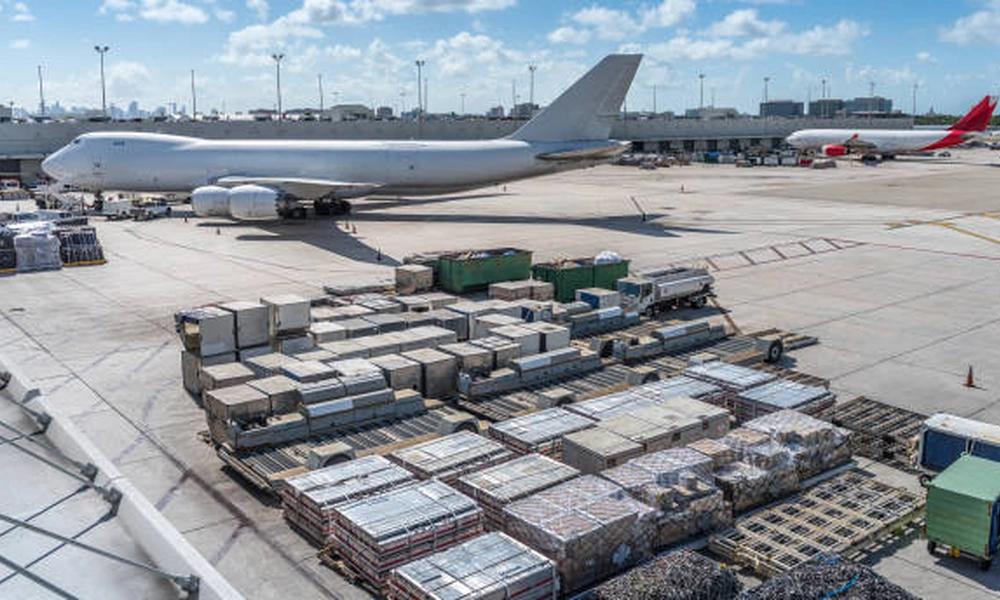
Master air cargo logistics and freight forwarding. Learn IATA regulations, documentation, and consolidation strategies. Intermediate.
 Hybrid5 days
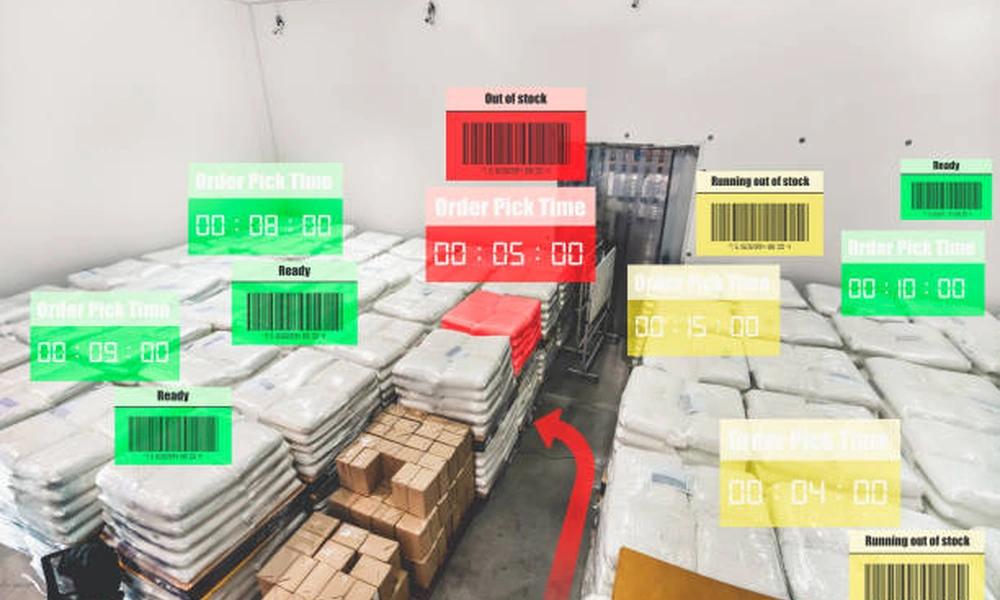
Master cold chain logistics. Learn temperature-controlled packaging, GDP compliance, and risk management for sensitive products.
Course finder
Find the right course for you
Prefer to talk it through? Send us an enquiry and a facilitator will scope a fit within a business day.
For corporate teams
Training 10+ professionals?
We deliver Training on Port Operations and Terminal Management in-house at your offices, at a venue we arrange, or fully virtual. Customise the curriculum against your KPIs, and get a bespoke price for the cohort size you need.