

Training on Project Management for Logistics and Supply Chain
Master project management for logistics. Learn to plan, execute, and deliver supply chain initiatives on time and on budget.
Next intake
20 Jul 2026 · Nakuru
Duration
5 days
Live instruction
Delivery
Physical + Virtual
Cohort based
Level
Intermediate
Working professionals
Certification
NITA reimbursable
For Kenyan cohorts
Language
English
All materials
About this programme
This course equips logistics and supply chain professionals with the essential project management skills to successfully execute complex initiatives, such as new system implementations, network redesigns, and warehouse expansions. Participants will learn to apply project management methodologies (Agile, Waterfall), manage scope, timelines, and budgets, and lead cross-functional teams to deliver results on time and within budget.
Who Should Attend:
-
Supply Chain Project Managers
-
Logistics Implementation Leads
-
Operations Managers
-
Continuous Improvement Professionals
What you'll walk away with
-
Initiate and define a project with a clear charter, scope, and objectives.
-
Develop a detailed project plan including work breakdown structure (WBS), schedule, and budget.
-
Lead cross-functional teams and manage stakeholder expectations.
-
Monitor project progress, manage risks, and implement corrective actions.
What we cover, module by module
Module 1: Project Management Fundamentals in Supply Chain
-
Defining a project vs. operations.
-
The project lifecycle: Initiation, Planning, Execution, Monitoring & Control, Closure.
-
Key roles: project sponsor, project manager, and core team.
-
Case Study/Hands-on Exercise: Review a failed logistics project (e.g., a botched WMS implementation) and identify the key project management failures that contributed to the outcome.
Module 2: Project Initiation and Planning
-
Developing a project charter: business case, scope, objectives, and stakeholders.
-
Creating a Work Breakdown Structure (WBS).
-
Estimating resources, time, and costs.
-
Case Study/Hands-on Exercise: Develop a project charter and a high-level WBS for a project to implement a new Transportation Management System (TMS).
Module 3: Scheduling, Budgeting, and Risk Management
-
Building a project schedule using Gantt charts and critical path analysis.
-
Creating and managing a project budget.
-
Identifying, analyzing, and mitigating project risks (qualitative and quantitative).
-
Case Study/Hands-on Exercise: Create a project schedule for a warehouse automation project, identifying the critical path and key milestones. Then, conduct a risk assessment and develop a risk response plan for the top 3 risks.
Module 4: Project Execution, Monitoring, and Control
-
Leading and motivating project teams.
-
Managing scope creep and change control processes.
-
Using dashboards and reports to track progress against plan.
-
Case Study/Hands-on Exercise: Role-play a project status meeting where a key milestone has been delayed. Present options for recovery (e.g., adding resources, compressing schedule) and manage stakeholder expectations.
Module 5: Project Closure and Continuous Improvement
-
Formal project closure: deliverables acceptance, lessons learned.
-
Transitioning the project to operations.
-
Applying Agile methodologies to supply chain projects.
-
Case Study/Hands-on Exercise: Facilitate a lessons-learned workshop for a recently completed project (based on a case study), documenting what went well, what could be improved, and creating actionable recommendations for future projects.
Where the change lands
Organizational Impacts:
-
Successful execution of strategic supply chain projects.
-
Reduced project delays and cost overruns.
-
Improved cross-functional collaboration and resource utilization.
Individual Impacts:
-
Mastery of project management tools and techniques (e.g., WBS, Gantt charts).
-
Enhanced skills in stakeholder management and risk mitigation.
-
Ability to lead projects from initiation to closure.
Dates and locations
Upcoming intakes
Every intake is limited to a small cohort. Booking closes when a date fills or three weeks before the start, whichever comes first.
| City | Starts | Ends | Delivery | Book |
|---|---|---|---|---|
NakuruNext | 20 Jul 2026 | 24 Jul 2026 | In-Person | Book |
Kigali | 20 Jul 2026 | 24 Jul 2026 | In-Person | Book |
Accra | 20 Jul 2026 | 24 Jul 2026 | In-Person | Book |
Kisumu | 27 Jul 2026 | 31 Jul 2026 | In-Person | Book |
Johannesburg | 27 Jul 2026 | 31 Jul 2026 | In-Person | Book |
Dakar | 27 Jul 2026 | 31 Jul 2026 | In-Person | Book |
- NakuruNext
20 Jul → 24 Jul·In-Person
Book this intake - Kigali
20 Jul → 24 Jul·In-Person
Book this intake - Accra
20 Jul → 24 Jul·In-Person
Book this intake - Kisumu
27 Jul → 31 Jul·In-Person
Book this intake - Johannesburg
27 Jul → 31 Jul·In-Person
Book this intake - Dakar
27 Jul → 31 Jul·In-Person
Book this intake
Common questions.
Still not sure? Send us a note and a facilitator will get back to you within a business day.
You may also like.
Programmes in the same discipline that participants often pair with this course.
 Hybrid10 days
Elevate your distribution center. Learn to integrate WMS with robotics and AI for scalable, high-efficiency logistics.
 Hybrid5 days
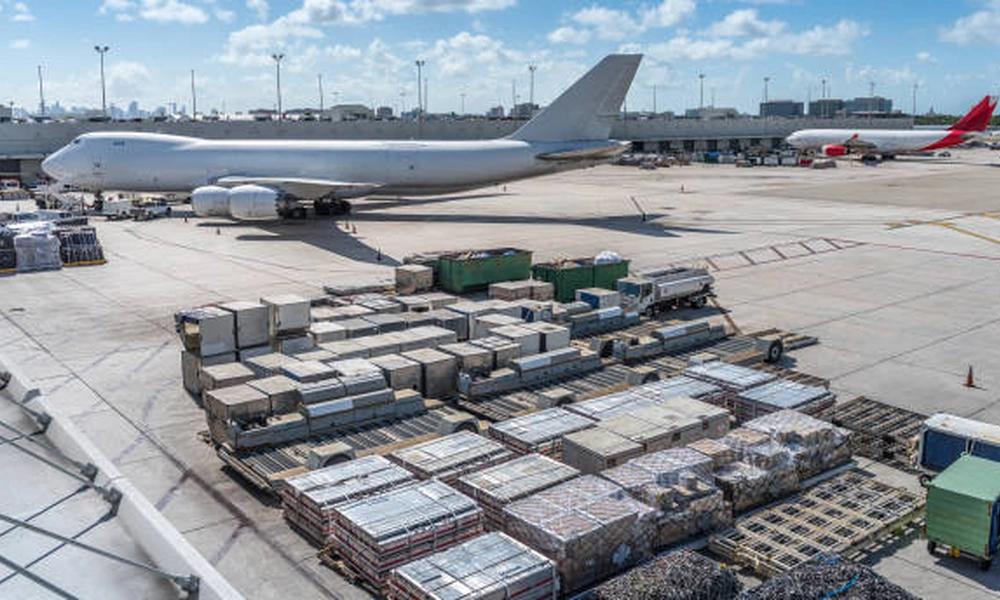
Master air cargo logistics and freight forwarding. Learn IATA regulations, documentation, and consolidation strategies. Intermediate.
 Hybrid5 days
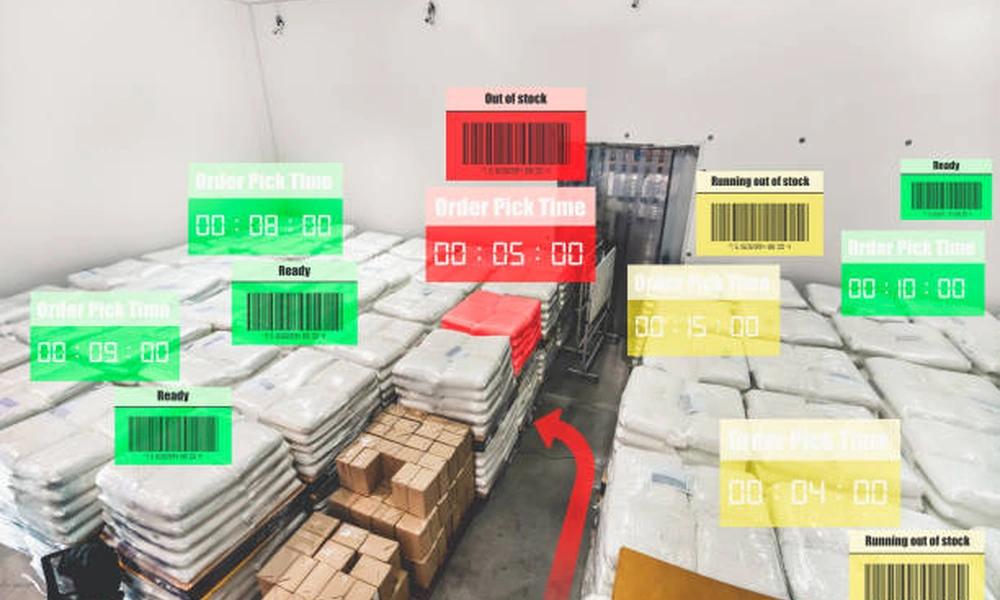
Master cold chain logistics. Learn temperature-controlled packaging, GDP compliance, and risk management for sensitive products.
Course finder
Find the right course for you
Prefer to talk it through? Send us an enquiry and a facilitator will scope a fit within a business day.
For corporate teams
Training 10+ professionals?
We deliver Training on Project Management for Logistics and Supply Chain in-house at your offices, at a venue we arrange, or fully virtual. Customise the curriculum against your KPIs, and get a bespoke price for the cohort size you need.