
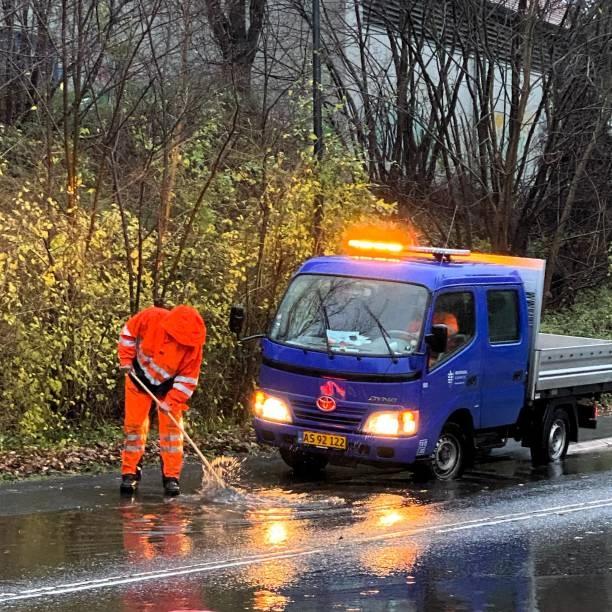
Training on Rapid WASH Needs Assessments in Emergency Response
Master rapid WASH needs assessments in emergencies. Gain practical skills in data collection, analysis, and planning to support fast and effective WASH responses during crises.
Next intake
20 Jul 2026 · Nakuru
Duration
5 days
Live instruction
Delivery
Physical + Virtual
Cohort based
Level
Intermediate
Working professionals
Certification
NITA reimbursable
For Kenyan cohorts
Language
English
All materials
About this programme
This course equips participants with the skills and tools needed to conduct effective and timely WASH needs assessments during humanitarian emergencies. Using practical approaches and real-world case studies, the course covers methods for gathering critical data, identifying urgent WASH gaps, and informing evidence-based response strategies. It is ideal for professionals conducting emergency WASH needs assessment tools and initial rapid assessment WASH in crisis settings.
Duration
5 Days
Who Should Attend
-
WASH practitioners and emergency response teams
-
Humanitarian program coordinators
-
Disaster risk reduction and preparedness professionals
-
NGO and UN agency staff involved in field assessments
-
Government disaster management officers
-
Public health and sanitation experts in emergency settings
What you'll walk away with
By the end of this course, participants will be able to:
-
Conduct effective rapid WASH assessment training during emergencies
-
Use standardized tools for WASH emergency data collection
-
Analyze assessment findings to prioritize life-saving interventions
-
Design and deploy humanitarian WASH rapid appraisal frameworks
-
Coordinate assessments across sectors and stakeholders in emergencies
What we cover, module by module
Module 1: Introduction to Rapid WASH Assessments in Emergencies
- Fundamentals of WASH in emergency contexts
- Importance of early assessments for rapid humanitarian response
- Core principles of rapid WASH assessments
- Humanitarian coordination structures and response architecture
- Case Study: Rapid WASH assessment following a flood or outbreak response
- Practical: Identifying key indicators and designing a basic rapid assessment checklist
Module 2: Assessment Frameworks and Methodologies
- Sphere Standards and global WASH assessment frameworks
- Overview of emergency WASH needs assessment tools
- Quantitative and qualitative data collection methods
- Integration of Multi-Sector Initial Rapid Assessment (MIRA)
- Case Study: Coordinated multi-agency WASH assessment in an emergency setting
- Practical: Selecting appropriate assessment tools for a simulated crisis scenario
Module 3: Data Collection Tools and Field Techniques
- Mobile-based data collection tools for emergency WASH response
- Designing effective questionnaires, interview guides, and checklists
- Sampling methods in emergency and displacement settings
- Field techniques: observation, mapping, and community engagement
- Case Study: Use of mobile data tools in a real-time emergency WASH response
- Practical: Developing and testing a mobile-based rapid assessment form
Module 4: Data Analysis and Prioritization of WASH Needs
- Interpreting assessment data for emergency decision-making
- Identifying priority risks and vulnerable groups
- Mapping critical gaps in water, sanitation, and hygiene services
- Translating findings into actionable response priorities
- Case Study: Prioritization of WASH interventions after a cholera outbreak
- Practical: Analyzing sample data to rank WASH response priorities
Module 5: Reporting, Coordination and Response Planning
- Developing concise rapid assessment reports and situation briefs
- Coordination with WASH Cluster and humanitarian partners
- Community engagement and accountability in assessments
- Linking assessment findings to emergency response planning
- Case Study: From assessment to coordinated WASH emergency response plan
- Practical: Writing a short rapid assessment report and response action outline
Where the change lands
Organizational Impact
-
Improves effectiveness and efficiency of emergency WASH operations.
-
Ensures resources are directed to areas of greatest need, reducing waste.
-
Strengthens credibility as a reliable and effective humanitarian actor.
Personal Impact
-
Builds in-demand skills for humanitarian and emergency response careers.
-
Supports progression to senior coordination, management, or leadership roles.
-
Empowers participants to lead rapid assessment teams and make evidence-based decisions under pressure.
Dates and locations
Upcoming intakes
Every intake is limited to a small cohort. Booking closes when a date fills or three weeks before the start, whichever comes first.
| City | Starts | Ends | Delivery | Book |
|---|---|---|---|---|
NakuruNext | 20 Jul 2026 | 24 Jul 2026 | In-Person | Book |
Kigali | 20 Jul 2026 | 24 Jul 2026 | In-Person | Book |
Accra | 20 Jul 2026 | 24 Jul 2026 | In-Person | Book |
Kisumu | 27 Jul 2026 | 31 Jul 2026 | In-Person | Book |
Johannesburg | 27 Jul 2026 | 31 Jul 2026 | In-Person | Book |
Dakar | 27 Jul 2026 | 31 Jul 2026 | In-Person | Book |
- NakuruNext
20 Jul → 24 Jul·In-Person
Book this intake - Kigali
20 Jul → 24 Jul·In-Person
Book this intake - Accra
20 Jul → 24 Jul·In-Person
Book this intake - Kisumu
27 Jul → 31 Jul·In-Person
Book this intake - Johannesburg
27 Jul → 31 Jul·In-Person
Book this intake - Dakar
27 Jul → 31 Jul·In-Person
Book this intake
Common questions.
Still not sure? Send us a note and a facilitator will get back to you within a business day.
You may also like.
Programmes in the same discipline that participants often pair with this course.
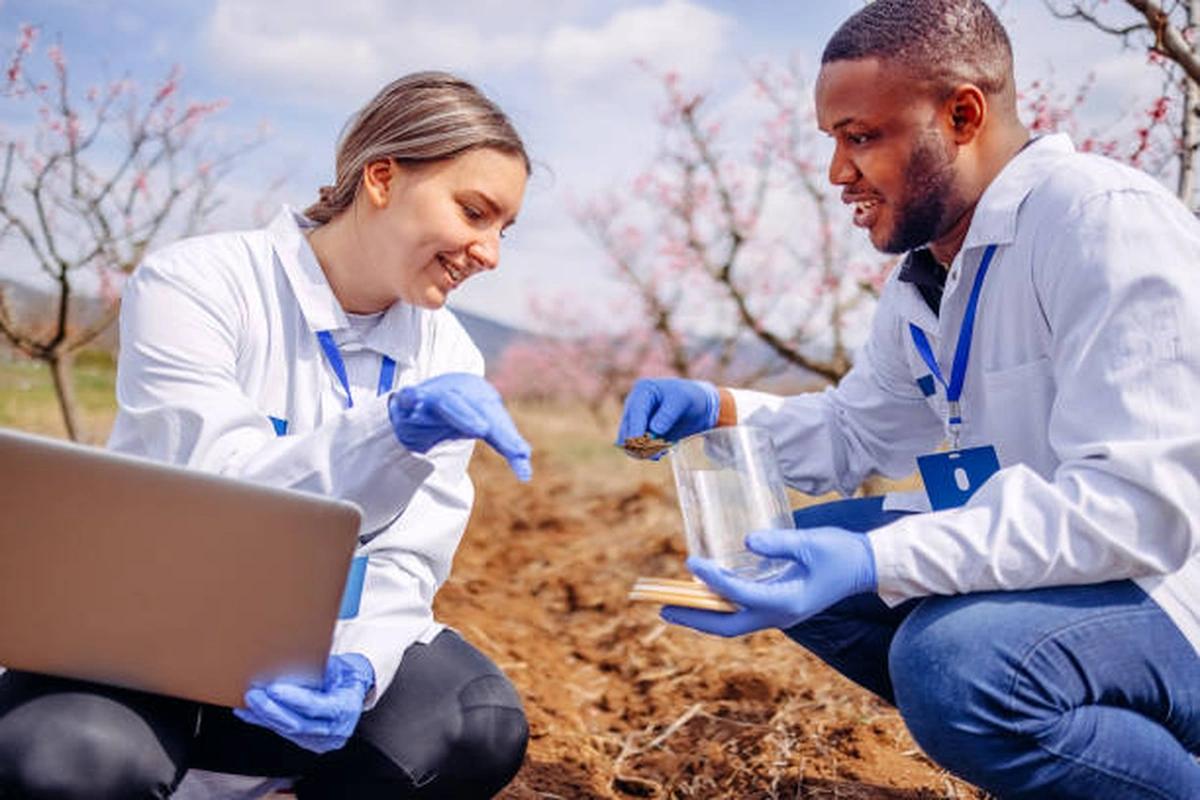 Hybrid5 days
Learn how AI, satellite imagery, and remote sensing technologies support drought monitoring and water scarcity forecasting.
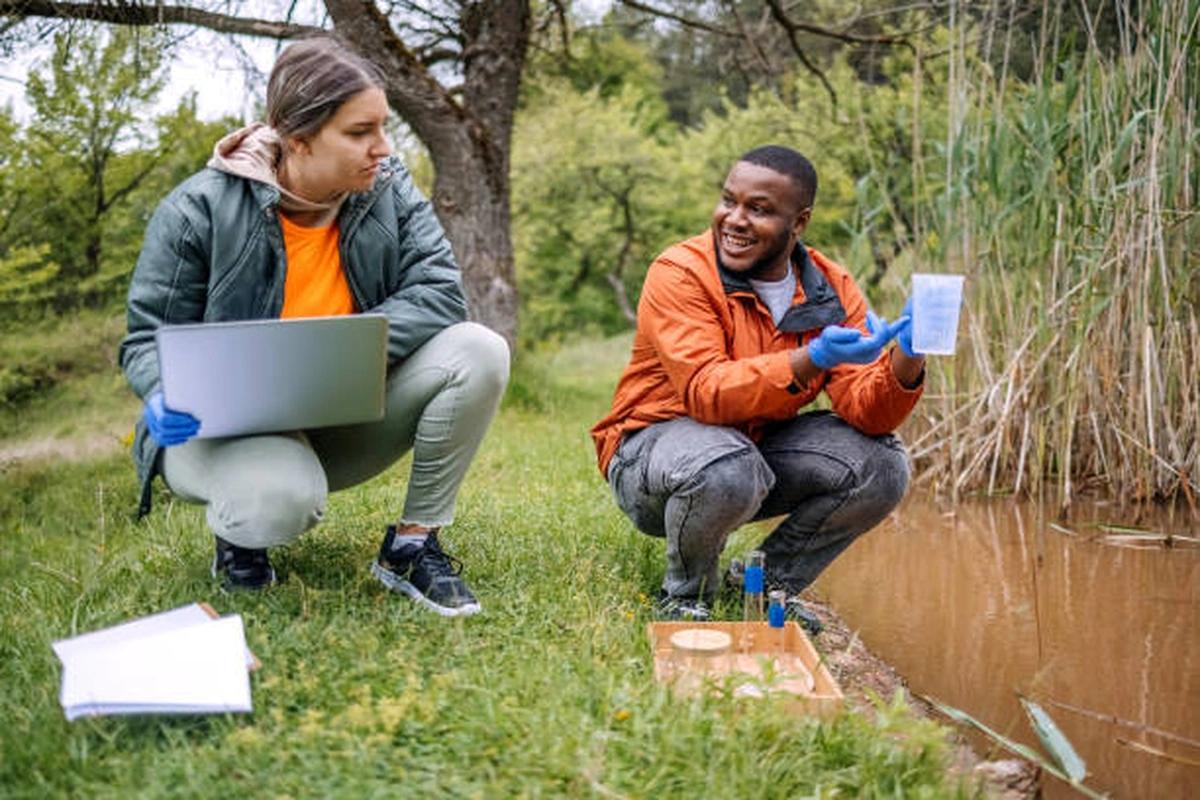 Hybrid5 days
Build expertise in AI-driven water resource planning to strengthen water security, resilience, and climate adaptation.
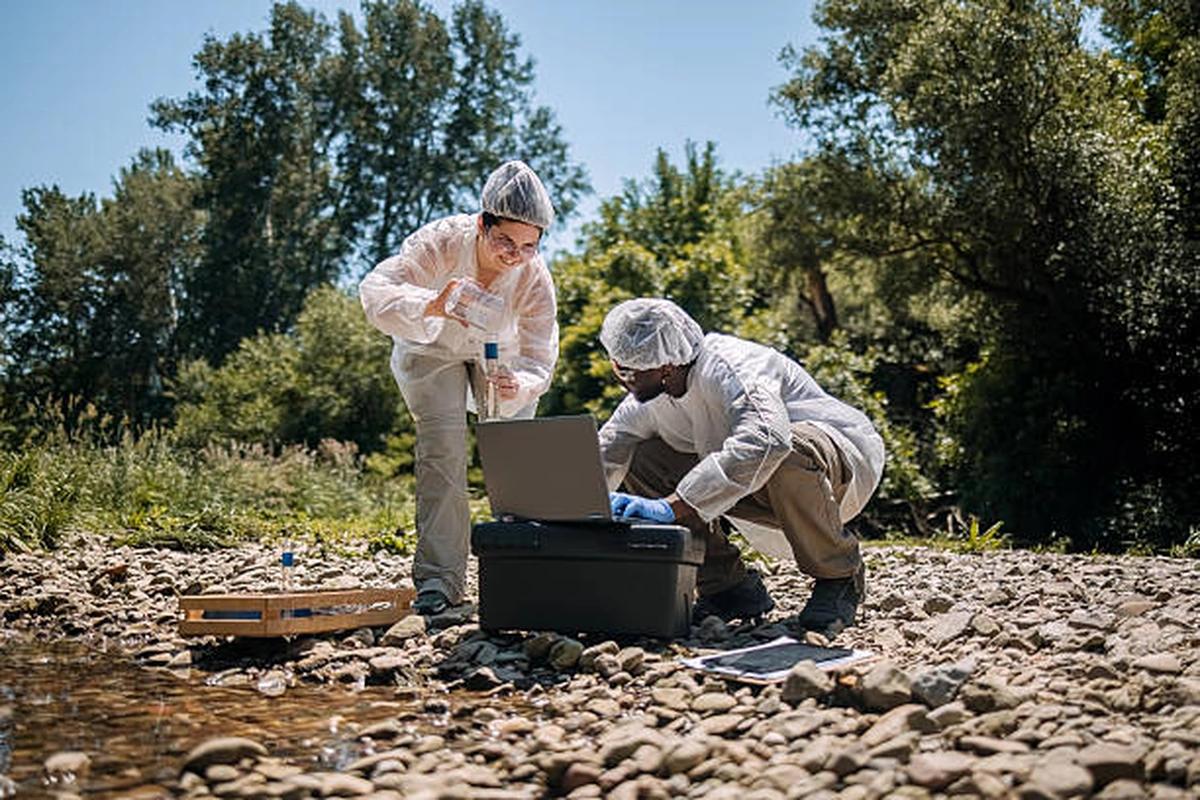 Hybrid5 days
Learn AI-powered groundwater and aquifer sustainability modeling using machine learning, GIS and geospatial analytics for water resource planning and management
Course finder
Find the right course for you
Prefer to talk it through? Send us an enquiry and a facilitator will scope a fit within a business day.
For corporate teams
Training 10+ professionals?
We deliver Training on Rapid WASH Needs Assessments in Emergency Response in-house at your offices, at a venue we arrange, or fully virtual. Customise the curriculum against your KPIs, and get a bespoke price for the cohort size you need.