
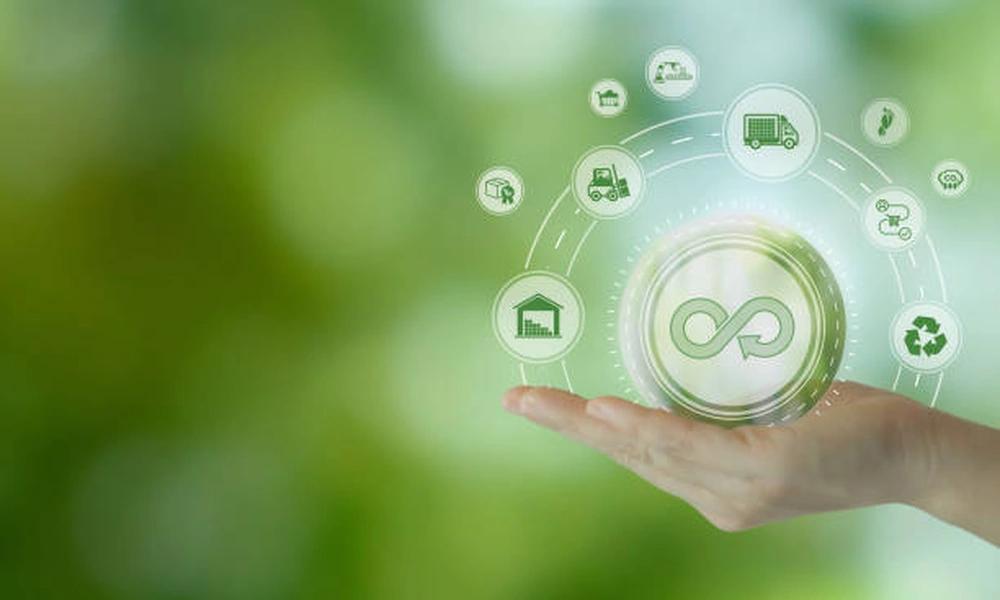
Training on Reverse Logistics and Circular Economy Principles
Optimize your reverse supply chain. Gain skills in returns management, data analysis, and value recovery for used products.
Next intake
20 Jul 2026 · Nakuru
Duration
5 days
Live instruction
Delivery
Physical + Virtual
Cohort based
Level
Intermediate
Working professionals
Certification
NITA reimbursable
For Kenyan cohorts
Language
English
All materials
About this programme
This intermediate course addresses the rapidly growing field of reverse logistics and its evolution within the circular economy. Participants will learn to design and manage efficient processes for returns, repairs, refurbishment, and recycling. The course covers the strategic and operational aspects of turning reverse logistics from a cost center into a source of value, sustainability, and customer loyalty.
Who Should Attend:
-
Reverse Logistics Managers
-
Sustainability and Circular Economy Leads
-
Customer Service Managers
-
Operations and Aftermarket Professionals
What you'll walk away with
-
Design a cost-effective and customer-friendly returns process.
-
Implement strategies for disposition: refurbishment, repair, resale, recycling.
-
Analyze returns data to identify process improvements and product quality issues.
-
Integrate circular economy principles into reverse logistics operations.
What we cover, module by module
Module 1: The Strategic Role of Reverse Logistics
-
Defining reverse logistics: scope, drivers, and challenges.
-
The financial impact of returns and the cost-to-serve for returns.
-
From a linear to a circular economy: principles and business models.
-
Case Study/Hands-on Exercise: Analyze the reverse logistics process of a major e-commerce retailer, mapping the costs at each stage (transport, sort, inspect, disposition) and identifying the primary cost drivers.
Module 2: Designing the Reverse Logistics Network
-
Centralized vs. decentralized returns processing centers.
-
Integrating forward and reverse logistics networks.
-
Managing returns from multiple channels: retail, e-commerce, B2B.
-
Case Study/Hands-on Exercise: Design a reverse logistics network for a consumer electronics company with a mix of store returns and mail-in returns, considering facility locations, transportation modes, and processing flows.
Module 3: Returns Management and Customer Experience
-
Creating a frictionless returns experience for customers.
-
Key technologies: returns management systems (RMS), QR codes, and self-service portals.
-
Managing returns fraud and abuse.
-
Case Study/Hands-on Exercise: Develop a customer returns policy and communication strategy for a fashion retailer, balancing customer convenience with the need to control costs and minimize fraud.
Module 4: Disposition, Value Recovery, and Circular Strategies
-
The disposition decision tree: repair, refurbish, remanufacture, recycle, or dispose.
-
Developing markets for refurbished and secondary goods.
-
Partnering with specialized recyclers and waste management firms.
-
Case Study/Hands-on Exercise: For a sample of 500 returned smartphones, develop a disposition strategy that maximizes value recovery, considering refurbishment costs, resale market prices, and recycling commodity values.
Module 5: Data Analytics, Prevention, and Circular Business Models
-
Analyzing returns data to identify root causes (e.g., product defects, poor instructions).
-
Collaborating with product development and quality teams to prevent returns.
-
Introduction to circular business models: leasing, product-as-a-service, take-back programs.
-
Case Study/Hands-on Exercise: Analyze a dataset of returns reasons for a furniture company, identify the top 3 root causes, and present a cross-functional action plan to reduce returns by 15% in the next year.
Where the change lands
Organizational Impacts:
-
Reduced costs associated with returns and waste disposal.
-
Captured value from returned goods through refurbishment and resale.
-
Enhanced brand image through sustainable practices and improved customer returns experience.
Individual Impacts:
-
Expertise in designing and managing reverse logistics networks.
-
Proficiency in analyzing returns data to identify root causes and prevention strategies.
-
Skills to develop circular business models (e.g., product-as-a-service, remanufacturing).
Dates and locations
Upcoming intakes
Every intake is limited to a small cohort. Booking closes when a date fills or three weeks before the start, whichever comes first.
| City | Starts | Ends | Delivery | Book |
|---|---|---|---|---|
NakuruNext | 20 Jul 2026 | 24 Jul 2026 | In-Person | Book |
Kigali | 20 Jul 2026 | 24 Jul 2026 | In-Person | Book |
Accra | 20 Jul 2026 | 24 Jul 2026 | In-Person | Book |
Kisumu | 27 Jul 2026 | 31 Jul 2026 | In-Person | Book |
Johannesburg | 27 Jul 2026 | 31 Jul 2026 | In-Person | Book |
Dakar | 27 Jul 2026 | 31 Jul 2026 | In-Person | Book |
- NakuruNext
20 Jul → 24 Jul·In-Person
Book this intake - Kigali
20 Jul → 24 Jul·In-Person
Book this intake - Accra
20 Jul → 24 Jul·In-Person
Book this intake - Kisumu
27 Jul → 31 Jul·In-Person
Book this intake - Johannesburg
27 Jul → 31 Jul·In-Person
Book this intake - Dakar
27 Jul → 31 Jul·In-Person
Book this intake
Common questions.
Still not sure? Send us a note and a facilitator will get back to you within a business day.
You may also like.
Programmes in the same discipline that participants often pair with this course.
 Hybrid10 days
Elevate your distribution center. Learn to integrate WMS with robotics and AI for scalable, high-efficiency logistics.
 Hybrid5 days
Master air cargo logistics and freight forwarding. Learn IATA regulations, documentation, and consolidation strategies. Intermediate.
 Hybrid5 days
Master cold chain logistics. Learn temperature-controlled packaging, GDP compliance, and risk management for sensitive products.
Course finder
Find the right course for you
Prefer to talk it through? Send us an enquiry and a facilitator will scope a fit within a business day.
For corporate teams
Training 10+ professionals?
We deliver Training on Reverse Logistics and Circular Economy Principles in-house at your offices, at a venue we arrange, or fully virtual. Customise the curriculum against your KPIs, and get a bespoke price for the cohort size you need.