
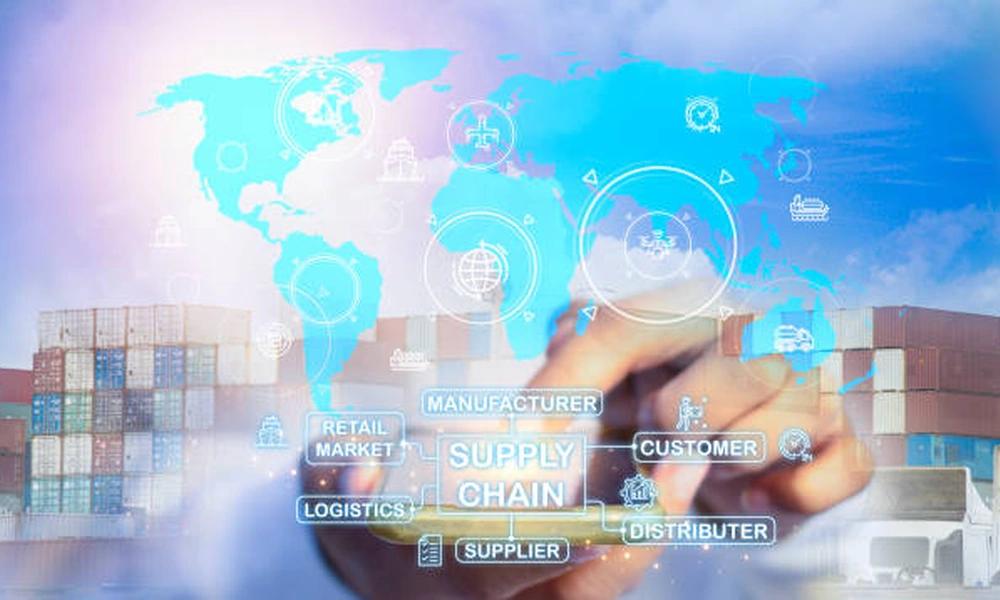
Training on Supply Chain Digital Transformation and Emerging Technologies
Navigate the future of logistics. Learn to leverage cutting-edge technologies for visibility, agility, and competitive advantage.
Next intake
20 Jul 2026 · Nakuru
Duration
10 days
Live instruction
Delivery
Physical + Virtual
Cohort based
Level
Advanced
Working professionals
Certification
NITA reimbursable
For Kenyan cohorts
Language
English
All materials
About this programme
This advanced course provides a strategic roadmap for navigating the digital transformation of the supply chain. Participants will explore the practical applications and strategic implications of emerging technologies such as Artificial Intelligence (AI), Machine Learning (ML), Internet of Things (IoT), Blockchain, and Digital Twins, and learn how to lead successful transformation initiatives.
Who Should Attend:
-
Chief Supply Chain Officers
-
Supply Chain Technology Directors
-
Digital Transformation Leaders
-
Innovation Managers in Logistics
What you'll walk away with
-
Evaluate the strategic potential of emerging technologies for supply chain.
-
Develop a digital transformation roadmap aligned with business goals.
-
Implement AI/ML solutions for demand sensing, logistics optimization, and risk management.
-
Leverage IoT and Digital Twins for real-time monitoring and simulation.
What we cover, module by module
Module 1: The Imperative for Digital Transformation
-
Defining digital transformation beyond digitization.
-
Key drivers: customer expectations, volatility, and data proliferation.
-
The digital maturity model and assessing your organization’s readiness.
-
Case Study/Hands-on Exercise: Conduct a digital maturity assessment for a sample company across people, processes, and technology to identify key gaps and opportunities.
Module 2: Artificial Intelligence and Machine Learning in Supply Chain
-
Distinguishing AI, ML, and deep learning.
-
Key use cases: demand sensing, predictive maintenance, and autonomous planning.
-
Building vs. buying AI solutions and managing data requirements.
-
Case Study/Hands-on Exercise: Evaluate three business cases for AI (e.g., warehouse robotics, demand forecasting, supply chain control tower) and recommend the highest ROI opportunity for a specific industry.
Module 3: Internet of Things (IoT) and Real-Time Visibility
-
IoT architecture: sensors, connectivity, and platforms.
-
Use cases: asset tracking, cold chain monitoring, and vehicle telematics.
-
Integrating IoT data with core systems (ERP, TMS, WMS).
-
Case Study/Hands-on Exercise: Design an IoT solution for a specific supply chain challenge (e.g., tracking high-value assets across a global network), specifying sensor types, data frequency, and expected business benefits.
Module 4: The Digital Twin: Simulation and Optimization
-
What is a digital twin and how it differs from a simulation model.
-
Building a digital twin of a supply chain network or distribution center.
-
Using the digital twin for scenario planning and stress testing.
-
Case Study/Hands-on Exercise: Outline the requirements for building a digital twin of a company’s distribution network, defining the data sources, the types of scenarios to test (e.g., demand surge, port closure), and the expected decision-making benefits.
Module 5: Blockchain for Supply Chain Transparency
-
Fundamentals of distributed ledger technology.
-
Use cases: provenance tracking, trade finance, and smart contracts.
-
Evaluating the business case and overcoming implementation hurdles.
-
Case Study/Hands-on Exercise: Analyze a pilot project where blockchain is used to track a product from origin to consumer, identifying the value created for each stakeholder (e.g., producer, logistics provider, retailer, consumer).
Module 6: Robotics and Autonomous Systems
-
Advances in warehouse and transportation robotics.
-
Autonomous vehicles: trucks, drones, and yard dogs.
-
Human-robot collaboration and the future of work.
-
Case Study/Hands-on Exercise: Develop a strategic roadmap for introducing autonomous mobile robots (AMRs) into a distribution center, including a timeline, technology selection criteria, and a plan for workforce transition.
Module 7: Cloud Computing and Supply Chain Platforms
-
The shift from on-premise to cloud-based supply chain platforms.
-
Understanding platform economics and network effects.
-
Data integration and the API economy in logistics.
-
Case Study/Hands-on Exercise: Evaluate the potential of migrating a company’s core supply chain systems (ERP, TMS, WMS) to a unified cloud platform, weighing the benefits of integration against the costs and risks of migration.
Module 8: Building a Business Case and Measuring ROI
-
Identifying and quantifying tangible and intangible benefits.
-
Cost estimation for technology implementation (CAPEX, OPEX).
-
Managing the risk of technology projects and pilot programs.
-
Case Study/Hands-on Exercise: Create a financial business case for implementing a supply chain control tower platform, including costs, projected savings from visibility (e.g., reduced inventory, expedite cost reduction), and a calculation of payback period.
Module 9: Change Management and Talent for Digital Transformation
-
The critical role of culture and leadership.
-
Upskilling the workforce and attracting digital talent.
-
Managing organizational resistance and fostering an innovation mindset.
-
Case Study/Hands-on Exercise: Develop a change management plan for a major digital transformation initiative, including stakeholder mapping, communication strategies, and a training program for different user groups.
Module 10: The Future Supply Chain and Implementation Roadmap
-
Emerging trends: autonomous supply chains, generative AI, and sustainability tech.
-
Developing a multi-year digital transformation roadmap.
-
Creating an agile governance structure for continuous technology evolution.
-
Case Study/Hands-on Exercise: Create a 3-year digital transformation roadmap for a logistics company, prioritizing initiatives (e.g., IoT, AI planning, robotics), sequencing projects, and defining key milestones.
Where the change lands
Organizational Impacts:
-
Enhanced end-to-end visibility and control.
-
Improved agility and responsiveness to market changes.
-
Creation of a competitive advantage through technology-enabled innovation.
Individual Impacts:
-
Strategic vision for technology adoption and implementation.
-
Ability to build a business case and manage ROI for digital initiatives.
-
Skills to lead organizational change in a technology-driven environment.
Dates and locations
Upcoming intakes
Every intake is limited to a small cohort. Booking closes when a date fills or three weeks before the start, whichever comes first.
| City | Starts | Ends | Delivery | Book |
|---|---|---|---|---|
NakuruNext | 20 Jul 2026 | 31 Jul 2026 | In-Person | Book |
Kigali | 20 Jul 2026 | 31 Jul 2026 | In-Person | Book |
Accra | 20 Jul 2026 | 31 Jul 2026 | In-Person | Book |
Kisumu | 27 Jul 2026 | 07 Aug 2026 | In-Person | Book |
Johannesburg | 27 Jul 2026 | 07 Aug 2026 | In-Person | Book |
Dakar | 27 Jul 2026 | 07 Aug 2026 | In-Person | Book |
- NakuruNext
20 Jul → 31 Jul·In-Person
Book this intake - Kigali
20 Jul → 31 Jul·In-Person
Book this intake - Accra
20 Jul → 31 Jul·In-Person
Book this intake - Kisumu
27 Jul → 07 Aug·In-Person
Book this intake - Johannesburg
27 Jul → 07 Aug·In-Person
Book this intake - Dakar
27 Jul → 07 Aug·In-Person
Book this intake
Common questions.
Still not sure? Send us a note and a facilitator will get back to you within a business day.
You may also like.
Programmes in the same discipline that participants often pair with this course.
 Hybrid10 days
Elevate your distribution center. Learn to integrate WMS with robotics and AI for scalable, high-efficiency logistics.
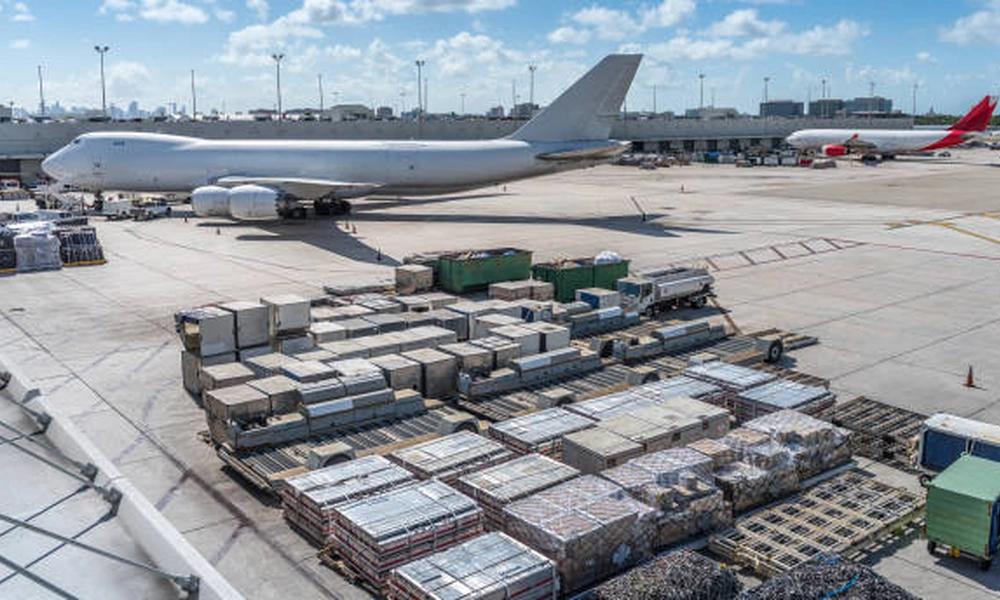 Hybrid5 days
Master air cargo logistics and freight forwarding. Learn IATA regulations, documentation, and consolidation strategies. Intermediate.
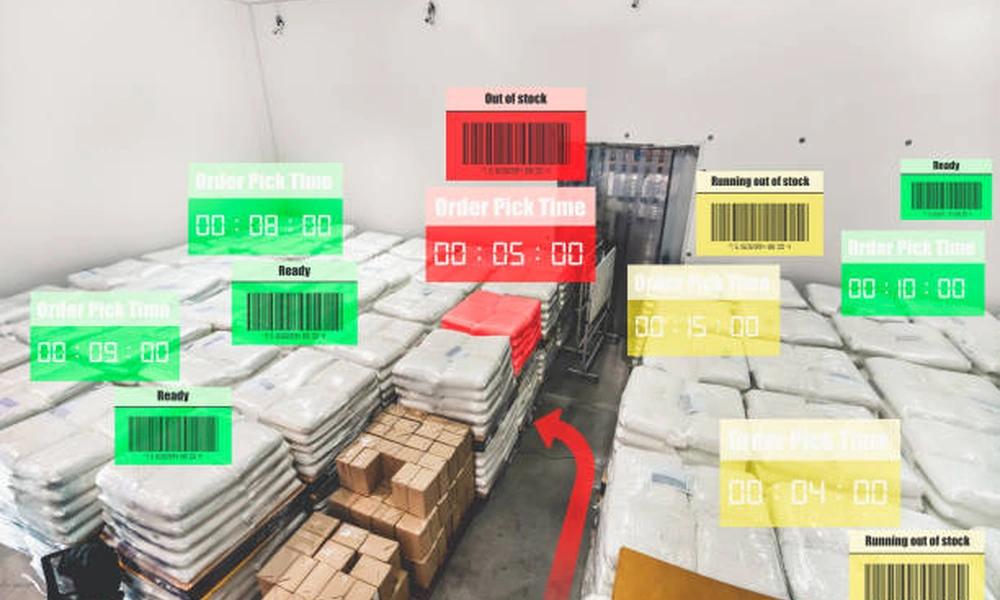 Hybrid5 days
Master cold chain logistics. Learn temperature-controlled packaging, GDP compliance, and risk management for sensitive products.
Course finder
Find the right course for you
Prefer to talk it through? Send us an enquiry and a facilitator will scope a fit within a business day.
For corporate teams
Training 10+ professionals?
We deliver Training on Supply Chain Digital Transformation and Emerging Technologies in-house at your offices, at a venue we arrange, or fully virtual. Customise the curriculum against your KPIs, and get a bespoke price for the cohort size you need.