

Training on Supply Chain Digital Twins and Simulation Modeling
Advanced digital twin and simulation training. Master modeling supply chain networks and operations for scenario testing.
Next intake
20 Jul 2026 · Nakuru
Duration
10 days
Live instruction
Delivery
Physical + Virtual
Cohort based
Level
Advanced
Working professionals
Certification
NITA reimbursable
For Kenyan cohorts
Language
English
All materials
About this programme
This advanced course delves into the cutting-edge technology of digital twins and simulation modeling in supply chain management. Participants will learn how to create virtual replicas of physical supply chain networks, distribution centers, and logistics operations to test scenarios, optimize performance, and predict outcomes before implementing changes in the real world. The focus is on practical application of simulation tools for strategic and operational decision-making.
Who Should Attend:
-
Supply Chain Network Designers
-
Operations Research Analysts
-
Continuous Improvement Managers
-
Digital Transformation Leaders
What you'll walk away with
-
Build and validate digital twin models of supply chain networks and facilities.
-
Conduct scenario analysis to optimize network design and inventory policies.
-
Use discrete event simulation to improve warehouse and distribution operations.
-
Translate simulation insights into actionable business recommendations.
What we cover, module by module
Module 1: Introduction to Digital Twins and Simulation
-
Defining digital twin: static vs. dynamic, descriptive vs. predictive.
-
The value of simulation in supply chain decision-making.
-
Types of simulation: discrete event, agent-based, and system dynamics.
-
Case Study/Hands-on Exercise: Analyze a case where simulation was used to redesign a distribution network, quantifying the cost savings and risk reduction achieved.
Module 2: Simulation Modeling Fundamentals
-
Key concepts: entities, resources, processes, and queues.
-
Input data requirements: distributions, variability, and uncertainty.
-
Model building blocks and logic structures.
-
Case Study/Hands-on Exercise: Map the process flow for a warehouse receiving operation, identifying entities, resources, and decision points to prepare for simulation modeling.
Module 3: Data Collection and Input Analysis
-
Collecting and cleaning operational data for simulation.
-
Fitting statistical distributions to real-world data (e.g., arrival rates, processing times).
-
Validating input data assumptions.
-
Case Study/Hands-on Exercise: Analyze a dataset of truck arrival times at a distribution center, fit a probability distribution, and test the goodness of fit.
Module 4: Building a Digital Twin of a Distribution Center
-
Modeling warehouse processes: receiving, putaway, picking, packing, and shipping.
-
Representing resources: labor, equipment, and storage locations.
-
Incorporating shift schedules and resource constraints.
-
Case Study/Hands-on Exercise: Build a basic discrete event simulation model of a warehouse pick-and-pack operation, defining process steps, resources, and entity flow.
Module 5: Network Digital Twins and Optimization
-
Modeling the flow of goods across a multi-echelon network.
-
Integrating transportation modes, lead times, and costs.
-
Using digital twins for inventory optimization and service level analysis.
-
Case Study/Hands-on Exercise: Create a network digital twin for a company with three distribution centers and 50 customer zones, simulating inventory policies and transportation costs.
Module 6: Scenario Analysis and What-If Testing
-
Designing experiments to test scenarios: demand spikes, supplier disruptions, labor shortages.
-
Comparing baseline vs. alternative scenarios.
-
Sensitivity analysis to identify critical variables.
-
Case Study/Hands-on Exercise: Using a network digital twin, simulate the impact of a 30% demand surge on service levels and transportation costs, and test mitigation strategies.
Module 7: Simulation for Automation and Technology Decisions
-
Modeling the impact of automation: robotics, conveyors, and AS/RS.
-
Comparing manual vs. automated scenarios.
-
Estimating ROI and throughput improvements.
-
Case Study/Hands-on Exercise: Build a simulation comparing a manual picking zone to a goods-to-person robotics zone, quantifying throughput, labor requirements, and cycle time improvements.
Module 8: Model Validation and Verification
-
Ensuring the model accurately represents the real system.
-
Verification techniques: debugging, logic checking, and animation review.
-
Validation techniques: comparing model outputs to historical data.
-
Case Study/Hands-on Exercise: Compare simulation output data for a warehouse model with historical actual data, identify discrepancies, and refine the model to improve accuracy.
Module 9: Advanced Simulation Techniques
-
Integrating simulation with optimization algorithms.
-
Using simulation for supply chain risk analysis and stress testing.
-
Agent-based modeling for complex supply chain behaviors.
-
Case Study/Hands-on Exercise: Apply simulation-based optimization to determine the optimal safety stock levels for a network, balancing inventory cost against service level risk.
Module 10: Implementing Simulation Insights and Building Capability
-
Communicating simulation results to stakeholders.
-
Embedding simulation into strategic planning cycles.
-
Building internal simulation capabilities and centers of excellence.
-
Case Study/Hands-on Exercise: Prepare a presentation summarizing simulation findings for a network redesign project, including recommendations, expected benefits, and implementation considerations.
Where the change lands
Organizational Impacts:
-
Reduced risk and cost of supply chain changes through virtual testing.
-
Improved network design and facility layout decisions.
-
Enhanced ability to scenario-plan for disruptions and demand fluctuations.
Individual Impacts:
-
Mastery of simulation modeling principles and software tools.
-
Expertise in building and validating digital twin models.
-
Skills to analyze simulation outputs and translate insights into action.
Dates and locations
Upcoming intakes
Every intake is limited to a small cohort. Booking closes when a date fills or three weeks before the start, whichever comes first.
| City | Starts | Ends | Delivery | Book |
|---|---|---|---|---|
NakuruNext | 20 Jul 2026 | 31 Jul 2026 | In-Person | Book |
Kigali | 20 Jul 2026 | 31 Jul 2026 | In-Person | Book |
Accra | 20 Jul 2026 | 31 Jul 2026 | In-Person | Book |
Kisumu | 27 Jul 2026 | 07 Aug 2026 | In-Person | Book |
Johannesburg | 27 Jul 2026 | 07 Aug 2026 | In-Person | Book |
Dakar | 27 Jul 2026 | 07 Aug 2026 | In-Person | Book |
- NakuruNext
20 Jul → 31 Jul·In-Person
Book this intake - Kigali
20 Jul → 31 Jul·In-Person
Book this intake - Accra
20 Jul → 31 Jul·In-Person
Book this intake - Kisumu
27 Jul → 07 Aug·In-Person
Book this intake - Johannesburg
27 Jul → 07 Aug·In-Person
Book this intake - Dakar
27 Jul → 07 Aug·In-Person
Book this intake
Common questions.
Still not sure? Send us a note and a facilitator will get back to you within a business day.
You may also like.
Programmes in the same discipline that participants often pair with this course.
 Hybrid10 days
Elevate your distribution center. Learn to integrate WMS with robotics and AI for scalable, high-efficiency logistics.
 Hybrid5 days
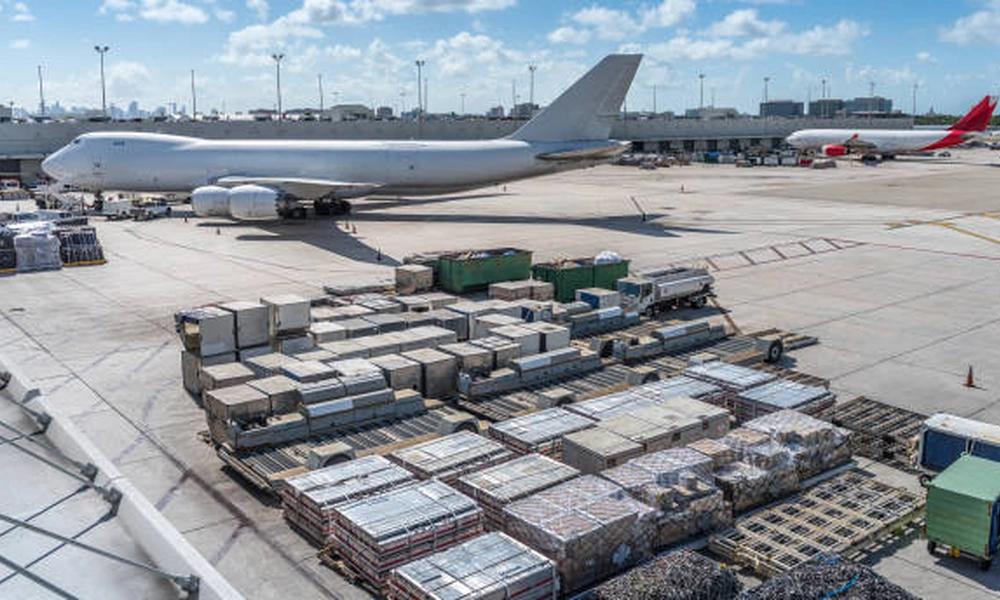
Master air cargo logistics and freight forwarding. Learn IATA regulations, documentation, and consolidation strategies. Intermediate.
 Hybrid5 days
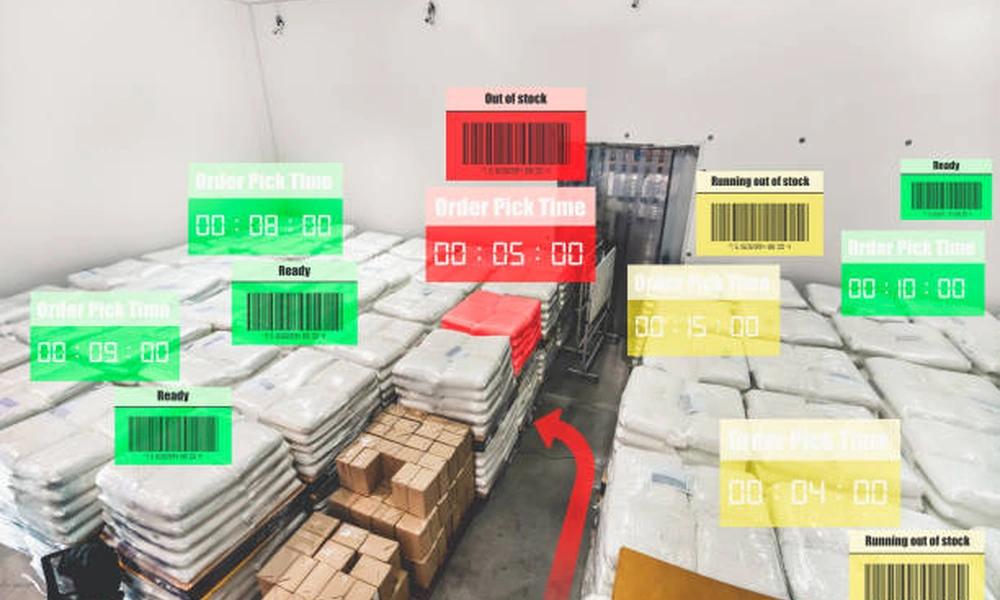
Master cold chain logistics. Learn temperature-controlled packaging, GDP compliance, and risk management for sensitive products.
Course finder
Find the right course for you
Prefer to talk it through? Send us an enquiry and a facilitator will scope a fit within a business day.
For corporate teams
Training 10+ professionals?
We deliver Training on Supply Chain Digital Twins and Simulation Modeling in-house at your offices, at a venue we arrange, or fully virtual. Customise the curriculum against your KPIs, and get a bespoke price for the cohort size you need.