

Training on Supply Chain Finance and Working Capital Optimization
Bridge operations and finance. This course covers trade finance, supplier financing, and financial metrics for supply chain leaders.
Next intake
20 Jul 2026 · Nakuru
Duration
10 days
Live instruction
Delivery
Physical + Virtual
Cohort based
Level
Advanced
Working professionals
Certification
NITA reimbursable
For Kenyan cohorts
Language
English
All materials
About this programme
This advanced course bridges the gap between supply chain operations and corporate finance. Participants will learn how supply chain decisions impact working capital, cash flow, and overall financial performance. The curriculum covers key concepts such as cash conversion cycle, trade finance instruments, supply chain financing (SCF) programs, and strategies to optimize working capital without disrupting supplier relationships.
Who Should Attend:
-
Supply Chain Finance Managers
-
Treasury and Corporate Finance Professionals
-
Procurement and Logistics Directors
-
CFOs and Controllers in Logistics-Intensive Industries
What you'll walk away with
-
Calculate and analyze the cash conversion cycle for a supply chain.
-
Evaluate the financial health of suppliers and manage payment terms strategically.
-
Implement supply chain finance (SCF) programs to optimize working capital.
-
Utilize trade finance instruments to mitigate risk in international trade.
What we cover, module by module
Module 1: The Intersection of Supply Chain and Finance
-
The financial impact of supply chain decisions: inventory, payables, receivables.
-
Key financial statements: balance sheet, income statement, and cash flow statement.
-
Supply chain's role in shareholder value creation.
-
Case Study/Hands-on Exercise: Analyze a company's financial statements to calculate its cash conversion cycle and identify supply chain-related drivers of recent cash flow changes.
Module 2: The Cash Conversion Cycle (CCC) in Depth
-
Deconstructing the CCC: days inventory outstanding (DIO), days sales outstanding (DSO), days payables outstanding (DPO).
-
Industry benchmarks and best-in-class performance.
-
Trade-offs between working capital optimization and supply chain resilience.
-
Case Study/Hands-on Exercise: Calculate the CCC for three competitors in the same industry, comparing their DIO, DSO, and DPO to identify best practices and potential improvement areas.
Module 3: Inventory and Working Capital
-
The financial cost of holding inventory: carrying cost components.
-
Strategies to optimize inventory without harming service levels.
-
Impact of forecasting accuracy and lead times on working capital.
-
Case Study/Hands-on Exercise: Model the working capital impact of reducing safety stock for a key SKU, quantifying the cash release against the potential risk of stockouts.
Module 4: Payables Management and Supplier Financing
-
Strategic management of accounts payable: extending payment terms.
-
The supplier's perspective: cash flow needs and supplier risk.
-
Implementing dynamic discounting programs.
-
Case Study/Hands-on Exercise: Evaluate a proposal to extend payment terms from 30 to 60 days for a strategic supplier, analyzing the financial benefit for the buyer and the potential risk to the supplier relationship.
Module 5: Supply Chain Finance (SCF) Programs
-
Overview of SCF: reverse factoring, receivables financing, and inventory financing.
-
How SCF benefits both buyers and suppliers.
-
Selecting and implementing an SCF platform.
-
Case Study/Hands-on Exercise: Design a reverse factoring program for a manufacturing company, identifying eligible suppliers, defining program parameters, and projecting the working capital benefits.
Module 6: Trade Finance Instruments
-
Letters of credit (LCs): types, process, and risk mitigation.
-
Documentary collections, bank guarantees, and trade credit insurance.
-
Managing foreign exchange (FX) risk in international procurement.
-
Case Study/Hands-on Exercise: Review a letter of credit for an international shipment, identify discrepancies that could lead to non-payment, and propose corrective actions.
Module 7: Supplier Financial Health and Risk Assessment
-
Analyzing supplier financial statements: liquidity, solvency, and profitability ratios.
-
Early warning signs of supplier financial distress.
-
Integrating financial risk into supplier selection and management.
-
Case Study/Hands-on Exercise: Conduct a financial health assessment for a critical supplier using their latest financial statements, calculating key ratios and developing a risk mitigation plan.
Module 8: Customer Credit and Receivables Management
-
Setting customer credit limits and terms based on risk.
-
Managing the order-to-cash cycle.
-
Impact of logistics performance on DSO (e.g., billing accuracy, proof of delivery).
-
Case Study/Hands-on Exercise: Analyze a customer's payment history and credit profile to recommend an appropriate credit limit and payment terms, balancing sales opportunity against risk.
Module 9: Financial Metrics and Supply Chain KPIs
-
Developing a financial supply chain scorecard.
-
Linking operational KPIs (e.g., on-time delivery, inventory turns) to financial outcomes.
-
Communicating supply chain value to finance and executive leadership.
-
Case Study/Hands-on Exercise: Create a supply chain financial dashboard that translates operational metrics (e.g., freight cost, inventory levels) into their impact on cash flow and EBITDA.
Module 10: Building a Collaborative Finance-Supply Chain Relationship
-
Breaking down silos between finance and supply chain.
-
Joint planning processes (S&OP and integrated business planning).
-
The future of supply chain finance: technology, sustainability-linked finance, and embedded finance.
-
Case Study/Hands-on Exercise: Develop a presentation for the CFO to advocate for a new supply chain finance initiative, including the business case, projected ROI, and risk considerations.
Where the change lands
Organizational Impacts:
-
Improved cash flow and reduced working capital requirements.
-
Enhanced supplier stability through supply chain finance programs.
-
Better alignment between supply chain and financial objectives.
Individual Impacts:
-
Mastery of cash conversion cycle and its drivers in supply chain.
-
Expertise in trade finance instruments (letters of credit, bank guarantees).
-
Skills to design and implement supply chain finance (SCF) programs.
Dates and locations
Upcoming intakes
Every intake is limited to a small cohort. Booking closes when a date fills or three weeks before the start, whichever comes first.
| City | Starts | Ends | Delivery | Book |
|---|---|---|---|---|
NakuruNext | 20 Jul 2026 | 31 Jul 2026 | In-Person | Book |
Kigali | 20 Jul 2026 | 31 Jul 2026 | In-Person | Book |
Accra | 20 Jul 2026 | 31 Jul 2026 | In-Person | Book |
Kisumu | 27 Jul 2026 | 07 Aug 2026 | In-Person | Book |
Johannesburg | 27 Jul 2026 | 07 Aug 2026 | In-Person | Book |
Dakar | 27 Jul 2026 | 07 Aug 2026 | In-Person | Book |
- NakuruNext
20 Jul → 31 Jul·In-Person
Book this intake - Kigali
20 Jul → 31 Jul·In-Person
Book this intake - Accra
20 Jul → 31 Jul·In-Person
Book this intake - Kisumu
27 Jul → 07 Aug·In-Person
Book this intake - Johannesburg
27 Jul → 07 Aug·In-Person
Book this intake - Dakar
27 Jul → 07 Aug·In-Person
Book this intake
Common questions.
Still not sure? Send us a note and a facilitator will get back to you within a business day.
You may also like.
Programmes in the same discipline that participants often pair with this course.
 Hybrid10 days
Elevate your distribution center. Learn to integrate WMS with robotics and AI for scalable, high-efficiency logistics.
 Hybrid5 days
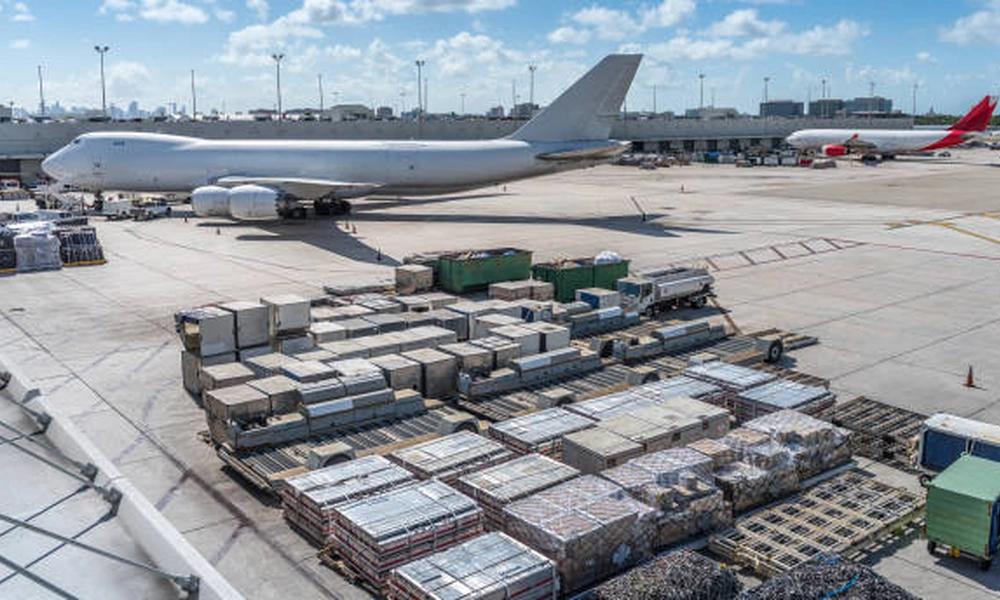
Master air cargo logistics and freight forwarding. Learn IATA regulations, documentation, and consolidation strategies. Intermediate.
 Hybrid5 days
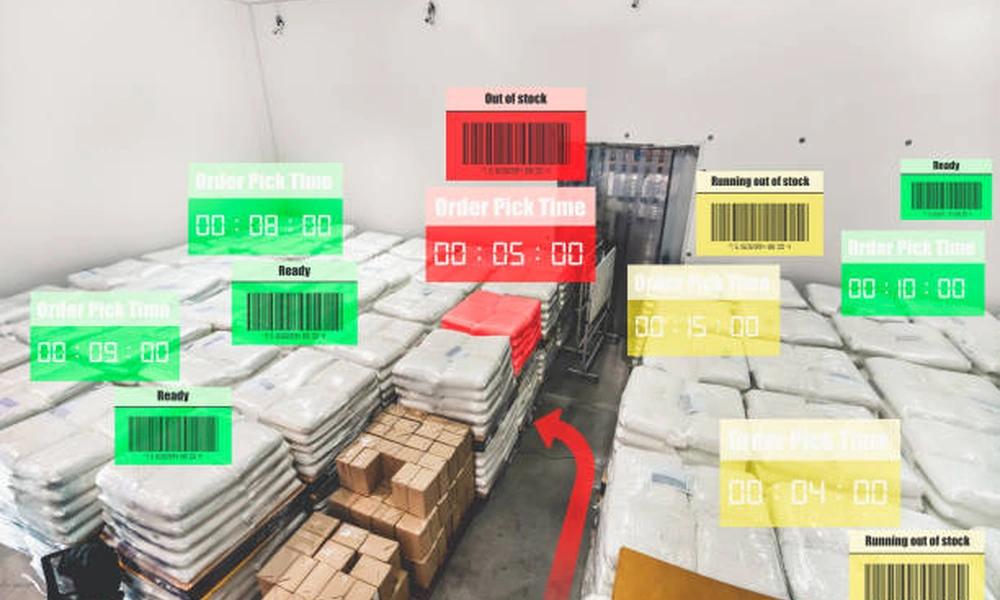
Master cold chain logistics. Learn temperature-controlled packaging, GDP compliance, and risk management for sensitive products.
Course finder
Find the right course for you
Prefer to talk it through? Send us an enquiry and a facilitator will scope a fit within a business day.
For corporate teams
Training 10+ professionals?
We deliver Training on Supply Chain Finance and Working Capital Optimization in-house at your offices, at a venue we arrange, or fully virtual. Customise the curriculum against your KPIs, and get a bespoke price for the cohort size you need.