

Training on Sustainable Logistics and Green Supply Chain Strategies
Go green while saving costs. Our sustainable logistics training provides practical strategies for eco-friendly and efficient operations.
Next intake
20 Jul 2026 · Nakuru
Duration
5 days
Live instruction
Delivery
Physical + Virtual
Cohort based
Level
Foundation
Working professionals
Certification
NITA reimbursable
For Kenyan cohorts
Language
English
All materials
About this programme
This course equips logistics professionals with the knowledge and tools to integrate sustainability into their core operations. Participants will explore strategies to reduce carbon footprint, minimize waste, and improve environmental, social, and governance (ESG) performance across transportation, warehousing, and packaging, all while maintaining cost efficiency and service levels.
Who Should Attend:
- Sustainability Managers
- Logistics and Supply Chain Managers
- Fleet and Operations Managers
- Corporate Social Responsibility (CSR) Professionals
What you'll walk away with
- Calculate the carbon footprint of logistics operations.
- Implement strategies for fleet electrification and alternative fuels.
- Design sustainable warehousing practices, including energy efficiency and waste reduction.
- Optimize packaging design to reduce material use and transportation costs.
What we cover, module by module
Module 1: Foundations of Green Logistics and ESG
- Defining the scope of logistics emissions: Scope 1, 2, and 3.
- Key sustainability frameworks: GHG Protocol, Science Based Targets initiative (SBTi).
- The business case for sustainability: cost savings, risk mitigation, and brand value.
- Case Study/Hands-on Exercise: Calculate the Scope 1 and 3 transportation emissions for a sample company using provided shipment data and emission factors.
Module 2: Sustainable Transportation Strategies
- Transition to alternative fuels: electric, hydrogen, renewable natural gas.
- Route optimization for fuel efficiency and emission reduction.
- Strategies for modal shift: road to rail or intermodal transportation.
- Case Study/Hands-on Exercise: Develop a 5-year fleet transition plan for a regional delivery company, evaluating the total cost of ownership (TCO) for battery electric vehicles (BEVs) versus diesel.
Module 3: Green Warehousing and Facility Management
- Implementing energy-efficient lighting, HVAC, and automation.
- On-site renewable energy generation: solar panels and battery storage.
- Water conservation and waste management (e-waste, pallets, packaging).
- Case Study/Hands-on Exercise: Conduct an energy audit for a 200,000 sq. ft. warehouse, identifying the top three opportunities for energy reduction and calculating their payback period.
Module 4: Circular Economy and Sustainable Packaging
- Principles of the circular economy in logistics.
- Reducing primary, secondary, and tertiary packaging.
- Selecting recyclable, biodegradable, and reusable packaging materials.
- Case Study/Hands-on Exercise: Redesign the packaging for a high-volume consumer product to reduce material weight by 20% while maintaining product protection during transit.
Module 5: Reporting, Communication, and Supply Chain Collaboration
- Measuring and reporting sustainability KPIs.
- Engaging suppliers and third-party logistics (3PL) partners on sustainability goals.
- Communicating green initiatives to customers and stakeholders.
- Case Study/Hands-on Exercise: Create a sustainability scorecard for evaluating and selecting a new 3PL partner, weighting environmental criteria alongside cost and service.
Where the change lands
Organizational Impacts:
- Enhanced brand reputation and ESG ratings.
- Reduced fuel costs and waste disposal expenses.
- Improved resilience against carbon taxes and regulatory changes.
Individual Impacts:
- Ability to develop and implement a sustainability roadmap.
- Expertise in carbon accounting and reporting for logistics.
- Skills to evaluate and select green technologies and partners.
Dates and locations
Upcoming intakes
Every intake is limited to a small cohort. Booking closes when a date fills or three weeks before the start, whichever comes first.
| City | Starts | Ends | Delivery | Book |
|---|---|---|---|---|
NakuruNext | 20 Jul 2026 | 24 Jul 2026 | In-Person | Book |
Kigali | 20 Jul 2026 | 24 Jul 2026 | In-Person | Book |
Accra | 20 Jul 2026 | 24 Jul 2026 | In-Person | Book |
Kisumu | 27 Jul 2026 | 31 Jul 2026 | In-Person | Book |
Johannesburg | 27 Jul 2026 | 31 Jul 2026 | In-Person | Book |
Dakar | 27 Jul 2026 | 31 Jul 2026 | In-Person | Book |
- NakuruNext
20 Jul → 24 Jul·In-Person
Book this intake - Kigali
20 Jul → 24 Jul·In-Person
Book this intake - Accra
20 Jul → 24 Jul·In-Person
Book this intake - Kisumu
27 Jul → 31 Jul·In-Person
Book this intake - Johannesburg
27 Jul → 31 Jul·In-Person
Book this intake - Dakar
27 Jul → 31 Jul·In-Person
Book this intake
Common questions.
Still not sure? Send us a note and a facilitator will get back to you within a business day.
You may also like.
Programmes in the same discipline that participants often pair with this course.
 Hybrid10 days
Elevate your distribution center. Learn to integrate WMS with robotics and AI for scalable, high-efficiency logistics.
 Hybrid5 days
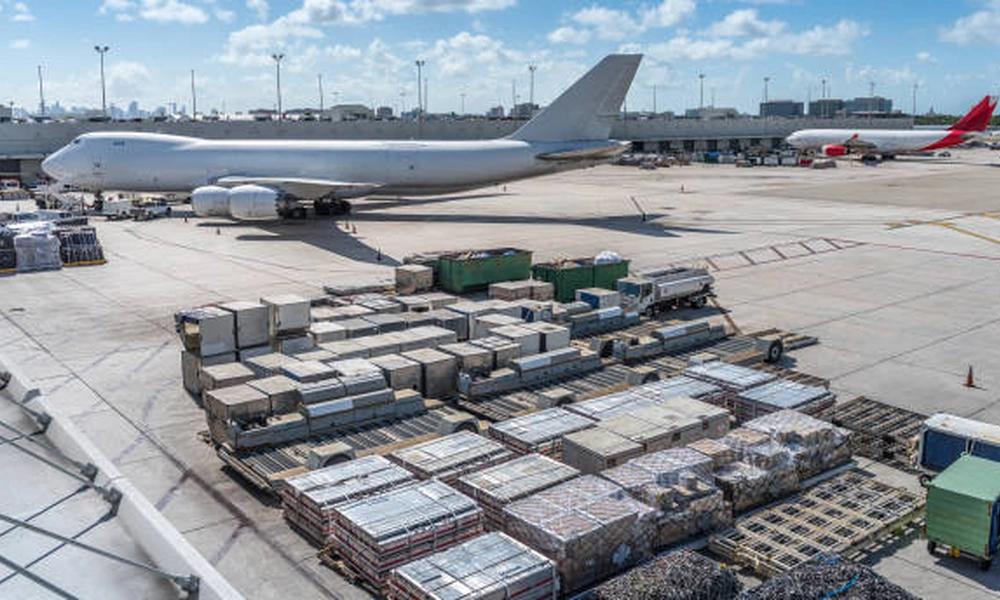
Master air cargo logistics and freight forwarding. Learn IATA regulations, documentation, and consolidation strategies. Intermediate.
 Hybrid5 days
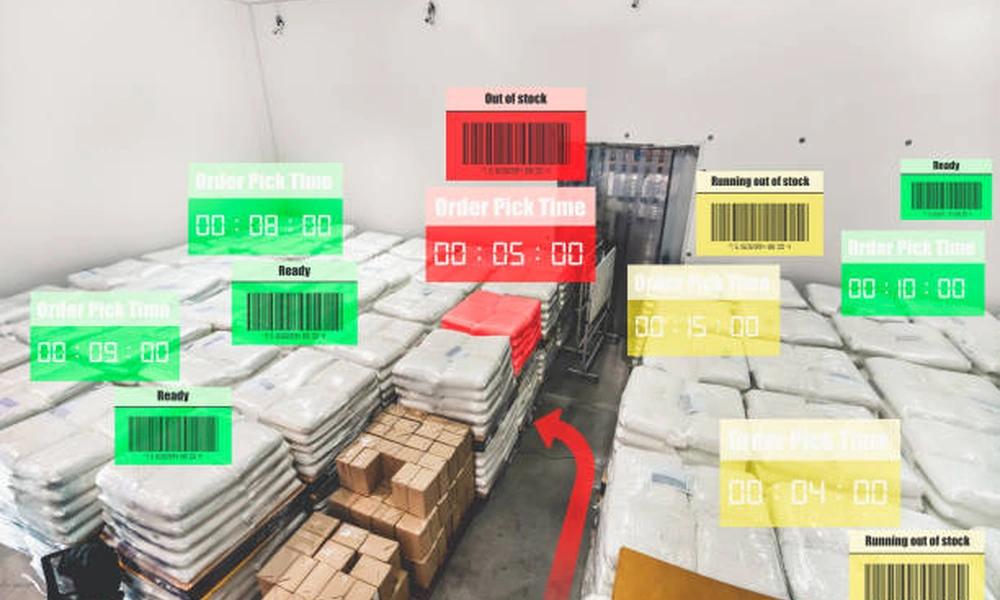
Master cold chain logistics. Learn temperature-controlled packaging, GDP compliance, and risk management for sensitive products.
Course finder
Find the right course for you
Prefer to talk it through? Send us an enquiry and a facilitator will scope a fit within a business day.
For corporate teams
Training 10+ professionals?
We deliver Training on Sustainable Logistics and Green Supply Chain Strategies in-house at your offices, at a venue we arrange, or fully virtual. Customise the curriculum against your KPIs, and get a bespoke price for the cohort size you need.