
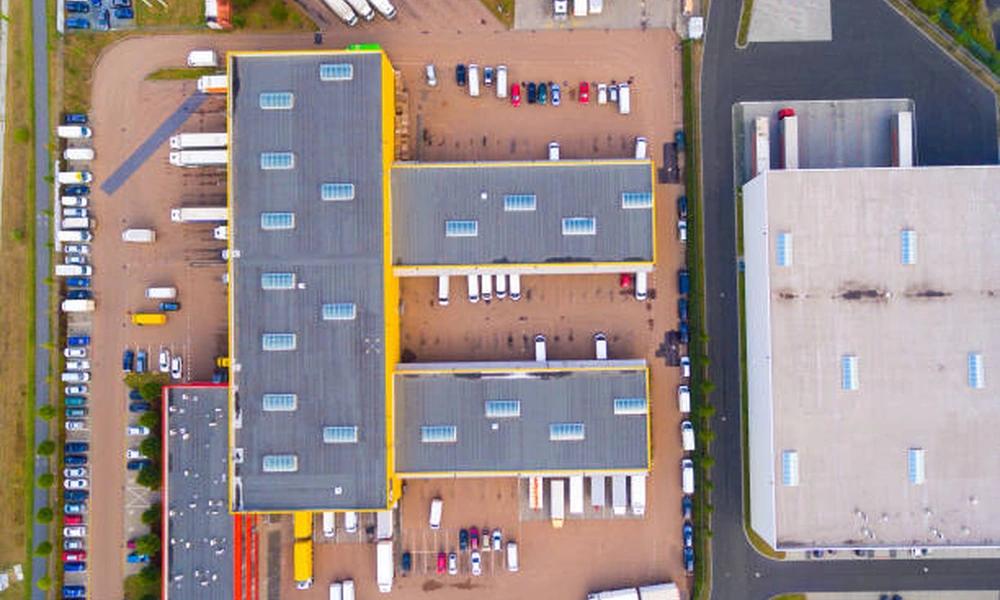
Training on Urban Logistics and Micro-Fulfillment Centers
Master urban logistics and micro-fulfillment centers. Learn MFC design, sustainable delivery models, and city regulations. Intermediate.
Next intake
20 Jul 2026 · Nakuru
Duration
5 days
Live instruction
Delivery
Physical + Virtual
Cohort based
Level
Intermediate
Working professionals
Certification
NITA reimbursable
For Kenyan cohorts
Language
English
All materials
About this programme
This intermediate course addresses the growing challenges and opportunities in urban logistics, driven by e-commerce growth, same-day delivery expectations, and city congestion. Participants will learn to design and operate micro-fulfillment centers (MFCs), implement sustainable urban delivery models, and navigate the regulatory landscape of city logistics. The focus is on balancing speed, cost, and environmental impact in dense urban environments.
Who Should Attend:
-
Urban Logistics Managers
-
E-Commerce Fulfillment Directors
-
City Logistics Planners
-
Last-Mile Delivery Operations Leaders
What you'll walk away with
-
Design and site micro-fulfillment centers for optimal urban coverage.
-
Implement sustainable urban delivery models including electric vehicles and cargo bikes.
-
Manage the interface between MFCs and last-mile delivery operations.
-
Navigate urban delivery regulations and engage with city authorities.
What we cover, module by module
Module 1: The Urban Logistics Challenge
-
Drivers of urban logistics growth: e-commerce, omnichannel, and consumer expectations.
-
Key challenges: congestion, emissions, noise, and real estate scarcity.
-
Stakeholders: retailers, logistics providers, city governments, and residents.
-
Case Study/Hands-on Exercise: Analyze the urban logistics landscape of a major city, identifying the key infrastructure constraints, regulatory environment, and competitive dynamics.
Module 2: Micro-Fulfillment Center (MFC) Strategy
-
MFC vs. traditional distribution centers: size, location, and function.
-
Types of MFCs: dark stores, automated micro-fulfillment, and hybrid models.
-
Site selection criteria for MFCs: real estate availability, population density, and transportation access.
-
Case Study/Hands-on Exercise: Develop a micro-fulfillment center network strategy for a major metropolitan area, determining the optimal number and locations of MFCs to achieve 2-hour delivery coverage.
Module 3: MFC Design and Automation
-
Designing for high-density storage and rapid order fulfillment.
-
Automation technologies suitable for MFCs: goods-to-person systems, vertical lift modules, and shuttle systems.
-
Labor models and shift structures for urban fulfillment.
-
Case Study/Hands-on Exercise: Design the layout for a 10,000 sq. ft. micro-fulfillment center, specifying storage systems, pick stations, and packing areas to achieve a target throughput of 1,000 orders per day.
Module 4: Sustainable Urban Delivery Models
-
Delivery mode selection: electric vans, cargo bikes, pedestrian couriers, and lockers.
-
Urban consolidation centers and micro-hubs.
-
Reverse logistics in urban environments.
-
Case Study/Hands-on Exercise: Develop a sustainable last-mile delivery strategy for a dense urban zone, selecting a mix of delivery modes (e.g., cargo bikes for small parcels, EVs for larger items) and estimating the environmental and cost impacts.
Module 5: City Regulations and Stakeholder Engagement
-
Navigating urban delivery regulations: time windows, low-emission zones, and loading zones.
-
Engaging with city authorities for permits and infrastructure access.
-
Measuring and reporting sustainability metrics for urban operations.
-
Case Study/Hands-on Exercise: Develop a proposal for a pilot urban delivery hub to present to city authorities, including operational plans, sustainability benefits, and mitigation strategies for community concerns.
Where the change lands
Organizational Impacts:
-
Reduced delivery times and improved customer satisfaction in urban areas.
-
Lower operational costs through optimized facility placement and delivery models.
-
Enhanced compliance with urban delivery regulations and sustainability goals.
Individual Impacts:
-
Expertise in micro-fulfillment center design and automation.
-
Proficiency in urban delivery models including cargo bikes, EVs, and lockers.
-
Skills to navigate city regulations and engage with municipal stakeholders.
Dates and locations
Upcoming intakes
Every intake is limited to a small cohort. Booking closes when a date fills or three weeks before the start, whichever comes first.
| City | Starts | Ends | Delivery | Book |
|---|---|---|---|---|
NakuruNext | 20 Jul 2026 | 24 Jul 2026 | In-Person | Book |
Kigali | 20 Jul 2026 | 24 Jul 2026 | In-Person | Book |
Accra | 20 Jul 2026 | 24 Jul 2026 | In-Person | Book |
Kisumu | 27 Jul 2026 | 31 Jul 2026 | In-Person | Book |
Johannesburg | 27 Jul 2026 | 31 Jul 2026 | In-Person | Book |
Dakar | 27 Jul 2026 | 31 Jul 2026 | In-Person | Book |
- NakuruNext
20 Jul → 24 Jul·In-Person
Book this intake - Kigali
20 Jul → 24 Jul·In-Person
Book this intake - Accra
20 Jul → 24 Jul·In-Person
Book this intake - Kisumu
27 Jul → 31 Jul·In-Person
Book this intake - Johannesburg
27 Jul → 31 Jul·In-Person
Book this intake - Dakar
27 Jul → 31 Jul·In-Person
Book this intake
Common questions.
Still not sure? Send us a note and a facilitator will get back to you within a business day.
You may also like.
Programmes in the same discipline that participants often pair with this course.
 Hybrid10 days
Elevate your distribution center. Learn to integrate WMS with robotics and AI for scalable, high-efficiency logistics.
 Hybrid5 days
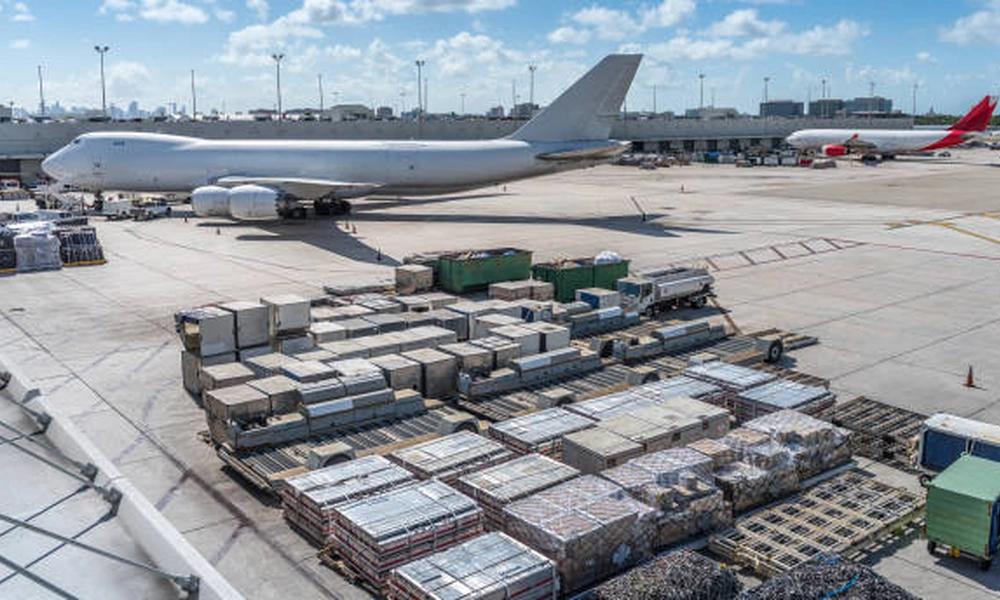
Master air cargo logistics and freight forwarding. Learn IATA regulations, documentation, and consolidation strategies. Intermediate.
 Hybrid5 days
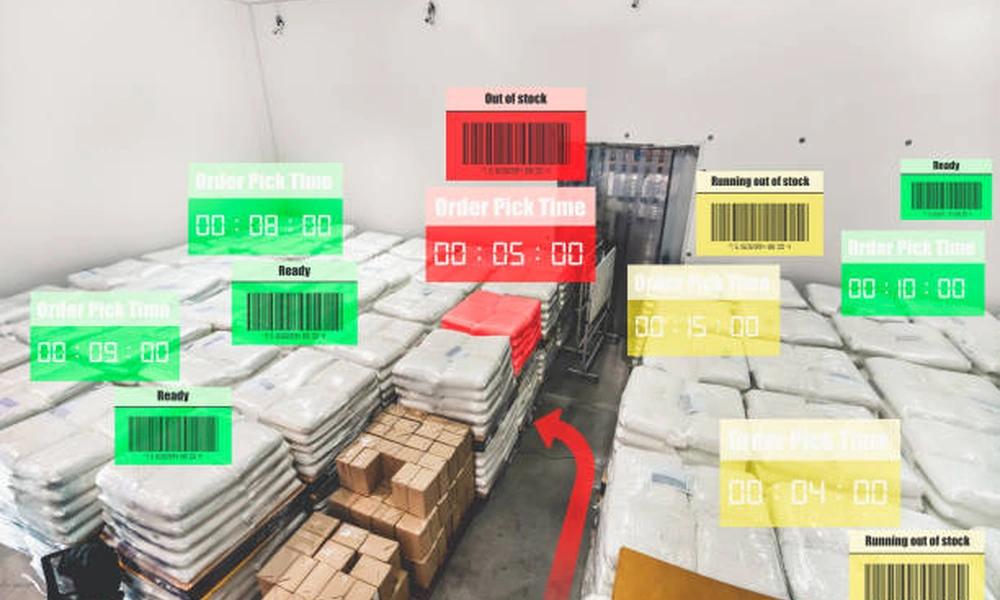
Master cold chain logistics. Learn temperature-controlled packaging, GDP compliance, and risk management for sensitive products.
Course finder
Find the right course for you
Prefer to talk it through? Send us an enquiry and a facilitator will scope a fit within a business day.
For corporate teams
Training 10+ professionals?
We deliver Training on Urban Logistics and Micro-Fulfillment Centers in-house at your offices, at a venue we arrange, or fully virtual. Customise the curriculum against your KPIs, and get a bespoke price for the cohort size you need.